Medical Image Analysis Using Artificial Intelligence Artical Dr. Feryal Ibrahim Althefery
04/04/2025 Share :
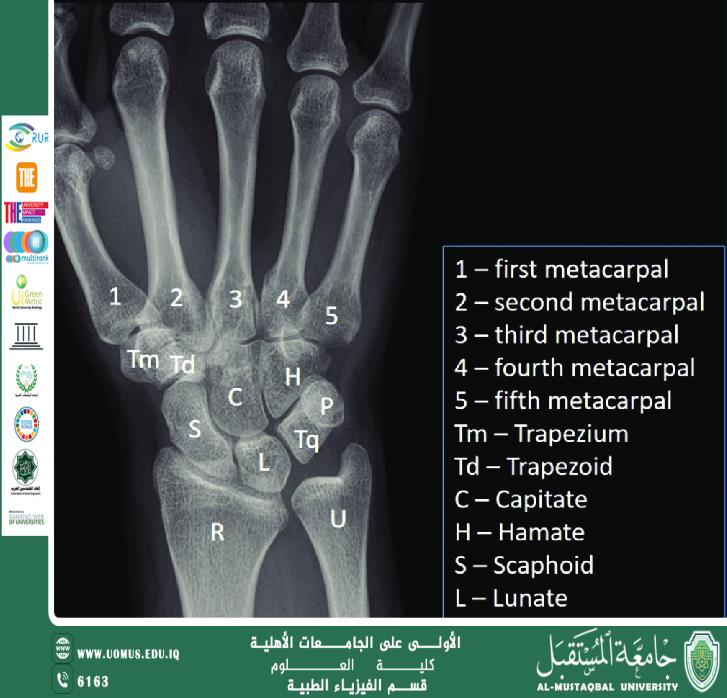
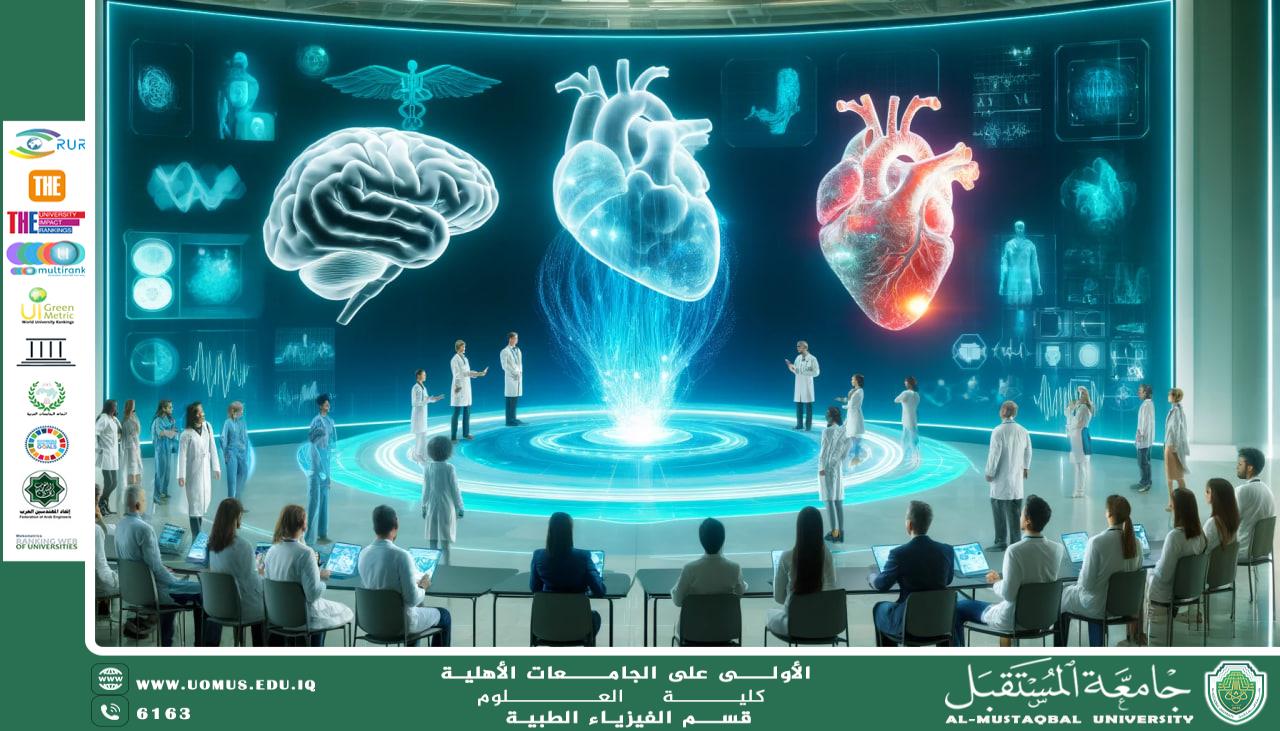
Artificial intelligence (AI) technologies have witnessed tremendous development in recent years, especially in the healthcare field. Medical image analysis is one of the most important applications that leverage AI capabilities. It is used to diagnose diseases and analyse medical data with extreme accuracy, helping doctors make more accurate and faster treatment decisions.<br />The Role of AI in Medical Image Analysis<br />AI, particularly deep learning techniques, contributes to the analysis of medical images through algorithms based on artificial neural networks (CNNs). These techniques enable computers to analyse radiological images, such as X-rays, magnetic resonance imaging (MRI), and computed tomography (CT), and detect diseases such as tumour, heart disease, and neurological disorders with an accuracy that exceeds traditional diagnosis in some cases. Key Benefits of Using AI in Medical Image Analysis<br />1. Improved diagnostic accuracy: AI systems can detect small abnormalities that doctors may not easily notice.<br />2. Accelerated the diagnostic process: The use of AI reduces the time required to analyse medical images, contributing to faster treatment.<br />3. Reducing human error: AI reduces the likelihood of misdiagnosis, improving the quality of healthcare.<br />4. Analysing large amounts of data: AI systems can process massive amounts of medical images quickly and efficiently, aiding medical research and improving treatment strategies.<br />Challenges and Limitations<br />Despite the many benefits, the use of AI in medical image analysis faces some challenges, such as:<br />The need for big data: AI systems require large and diverse datasets to train and improve their accuracy.<br />Privacy and security concerns: Patient data must be handled carefully to ensure compliance with data protection regulations.<br />Integration with medical systems: AI needs to integrate seamlessly with existing medical systems to ensure its effective use in hospitals and clinics.<br />The future and upcoming developments<br />The future is expected to witness further advances in AI technologies, such as the continued development of algorithms and increased ability to interpret AI decisions in a way that makes doctors more reliable. The development of federated learning techniques can also contribute to improving accuracy while preserving data privacy. Medical image analysis using artificial intelligence is revolutionizing healthcare, helping diagnose diseases with unprecedented accuracy and speed. As technology continues to advance, AI is expected to play an increasing role in improving the quality of medical services and providing better healthcare to patients.<br /><br /><br />"AL_mustaqbal University is the first university in Iraq"<br/><br/><a href=https://uomus.edu.iq/Default.aspx target=_blank>al-mustaqbal University Website</a>