Blood Pressure: Concept, Importance, and Associated Diseases artical By Husain Hadee
04/04/2025 Share :
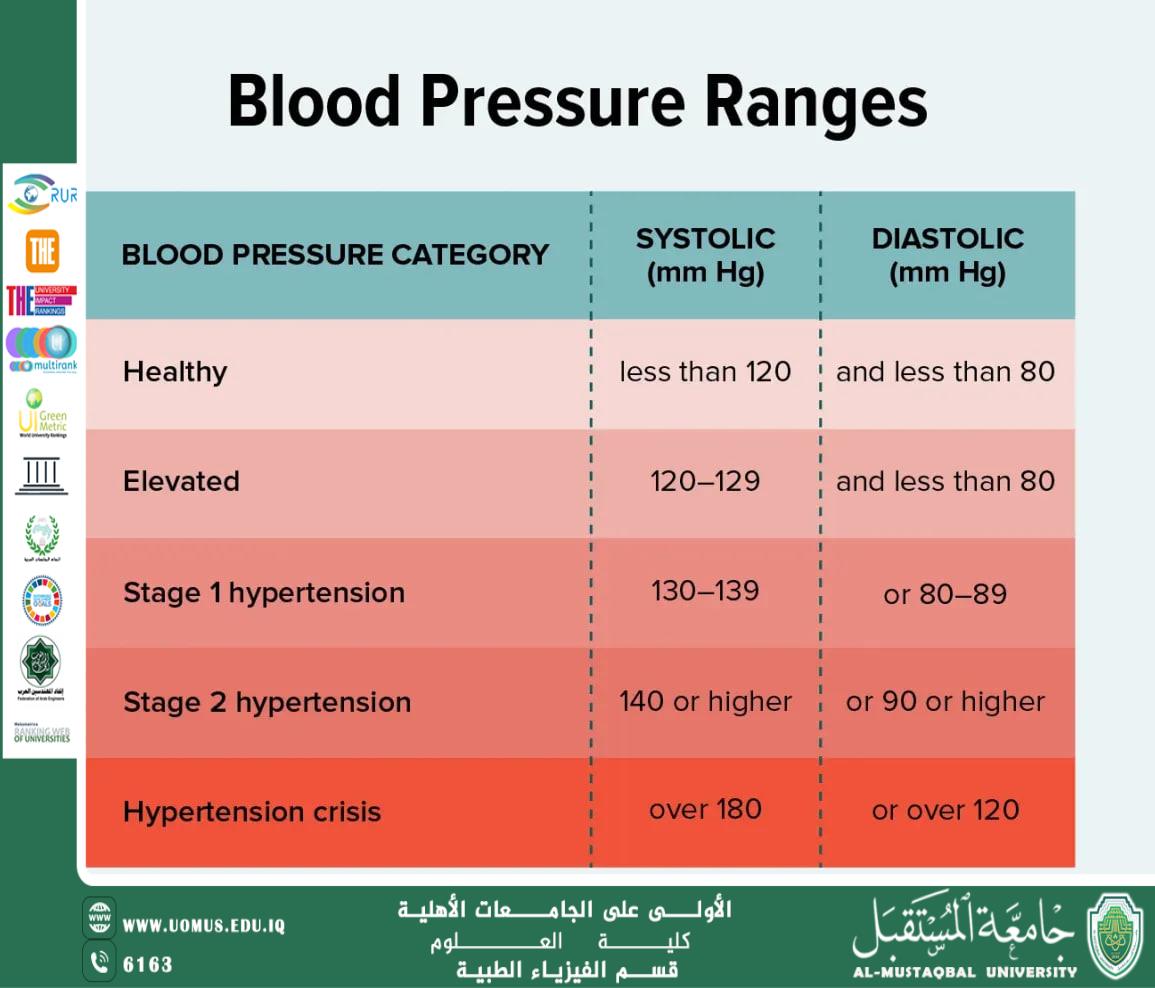
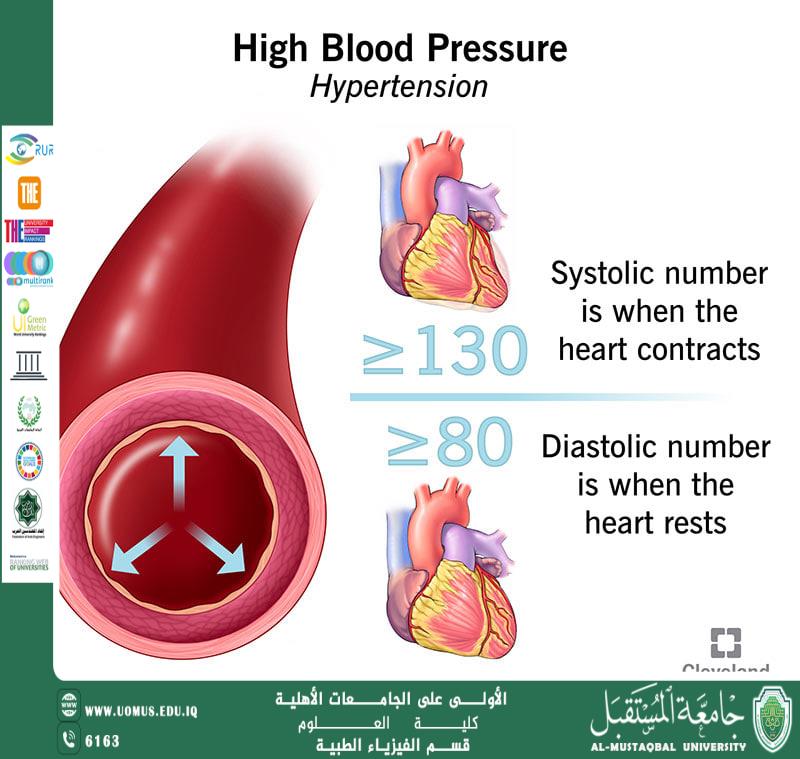
<br />Introduction<br /><br />Blood pressure is the force exerted by blood against the walls of blood vessels as it circulates throughout the body. Measuring blood pressure is a crucial health indicator, as it is closely linked to cardiovascular health. High or low blood pressure can lead to serious medical conditions that require intervention.<br /><br />What is Blood Pressure?<br /><br />Blood pressure is measured in millimeters of mercury (mmHg) and consists of two values:<br /><br />1. Systolic Pressure: The pressure when the heart contracts to pump blood.<br /><br /><br />2. Diastolic Pressure: The pressure when the heart relaxes between beats.<br /><br /><br /><br />A normal blood pressure reading is around 120/80 mmHg, though it may vary based on age, gender, and other health factors.<br /><br />Importance of Blood Pressure<br /><br />Blood pressure ensures that oxygen-rich blood and essential nutrients reach organs and tissues. Any imbalance in blood pressure can impact bodily functions, leading to serious complications such as strokes, heart attacks, and kidney failure.<br /><br />Blood Pressure Disorders<br /><br />1. Hypertension (High Blood Pressure)<br /><br />Hypertension occurs when blood pressure is consistently higher than normal (140/90 mmHg or more). Common causes include:<br /><br />Genetic factors<br /><br />Psychological stress<br /><br />Obesity and excess weight<br /><br />High salt intake<br /><br />Lack of physical activity<br /><br />Kidney and endocrine disorders<br /><br /><br />Complications:<br /><br />Heart disease and artery damage<br /><br />Stroke<br /><br />Kidney failure<br /><br />Vision problems<br /><br /><br />2. Hypotension (Low Blood Pressure)<br /><br />Hypotension occurs when blood pressure is below 90/60 mmHg. Possible causes include:<br /><br />Dehydration and fluid loss<br /><br />Endocrine disorders<br /><br />Heart diseases<br /><br />Certain medications like diuretics<br /><br /><br />Complications:<br /><br />Dizziness and fainting<br /><br />Reduced blood flow to organs<br /><br />Severe cases may lead to shock<br /><br /><br />Ways to Maintain Healthy Blood Pressure<br /><br />Follow a balanced diet rich in fruits, vegetables, and low in sodium.<br /><br />Exercise regularly to improve cardiovascular health.<br /><br />Manage stress and avoid excessive anxiety.<br /><br />Maintain a healthy weight.<br /><br />Reduce caffeine and avoid smoking.<br /><br />Have regular medical check-ups to monitor blood pressure and prevent complications.<br /><br /><br />Conclusion<br /><br />Blood pressure is a vital health factor, and its imbalance can lead to severe diseases. Adopting a healthy lifestyle and following medical recommendations can help maintain stable blood pressure and prevent related health risks.<br />"AL_mustaqbal University is the first university in Iraq"<br/><br/><a href=https://uomus.edu.iq/Default.aspx target=_blank>al-mustaqbal University Website</a>