The Scientific Harms of Caffeine Artical By Mohammed Abd Alsalam
04/04/2025 Share :
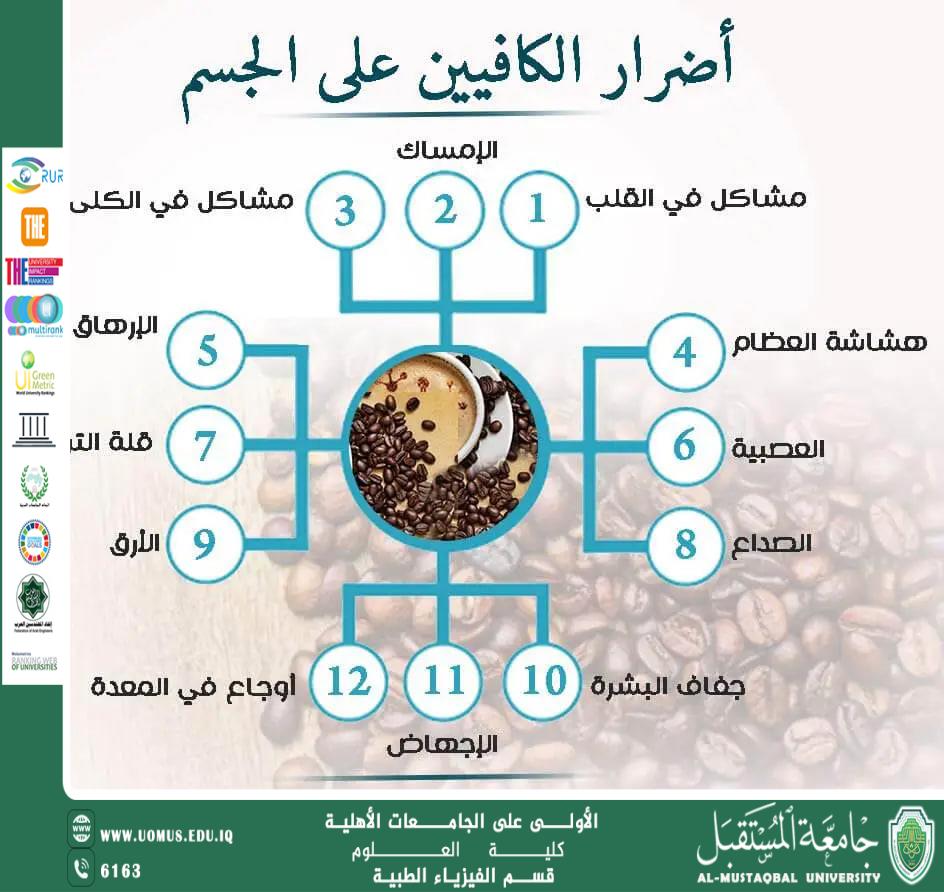
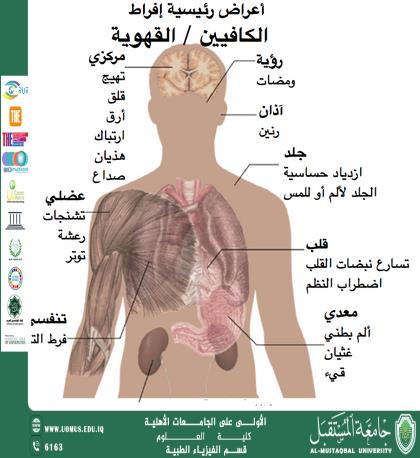
<br />Introduction<br /><br />Caffeine is a natural compound found in coffee, tea, soft drinks, and energy drinks. While it has benefits such as enhancing alertness and concentration, excessive consumption can lead to adverse health effects. This article highlights the potential harms of caffeine based on scientific research.<br /><br />Health Risks of Caffeine<br /><br />1. Sleep Disorders: Caffeine stimulates the central nervous system, which can cause insomnia and sleep disturbances. Studies indicate that consuming caffeine six hours or less before bedtime negatively affects sleep quality.<br /><br /><br />2. Increased Heart Rate: High doses of caffeine can accelerate heart rate, posing risks for individuals with heart conditions.<br /><br /><br />3. High Blood Pressure: Caffeine temporarily raises blood pressure, which may contribute to long-term cardiovascular issues.<br /><br /><br />4. Addiction and Withdrawal: Regular caffeine consumption can lead to physical dependence, with withdrawal symptoms including headaches, fatigue, and difficulty concentrating.<br /><br /><br />5. Digestive Issues: Caffeine increases stomach acid production, potentially worsening conditions such as ulcers and acid reflux.<br /><br /><br />6. Anxiety and Stress: Caffeine boosts the release of stress hormones like adrenaline, which may lead to anxiety and nervousness.<br /><br /><br /><br />Conclusion<br /><br />While caffeine can offer benefits when consumed in moderation, excessive intake may lead to serious health problems. It is advisable to monitor daily caffeine consumption, especially for individuals prone to sleep disorders, heart issues, or anxiety.<br /><br />"AL_mustaqbal University is the first university in Iraq"<br/><br/><a href=https://uomus.edu.iq/Default.aspx target=_blank>al-mustaqbal University Website</a>