Scientific Article by Assistant Lecturer (Maryam Latif Shandal) Entitled “Migraine: Causes, Symptoms, and Treatment Methods”
05/04/2025 Share :
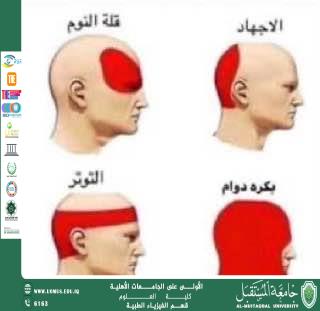
Migraine: Causes, Symptoms, and Treatment<br /><br />Introduction<br /><br />Migraine is one of the most common and debilitating types of headaches, affecting millions of people worldwide. It is characterized by a throbbing pain, usually on one side of the head, and is often accompanied by symptoms such as nausea, sensitivity to light and sound, and visual disturbances. The causes of migraines vary from person to person, and treatments range from medications to lifestyle changes.<br /><br />Causes of Migraine<br /><br />There is no single cause of migraines, but several factors may contribute to their occurrence, including:<br /> 1. Genetic Factors – If a family member suffers from migraines, the likelihood of developing them increases.<br /> 2. Hormonal Changes – Women are more prone to migraines, especially during menstruation, pregnancy, or due to fluctuations in hormone levels.<br /> 3. Stress and Anxiety – High levels of stress can trigger migraine attacks.<br /> 4. Sleep Disturbances – Both insufficient and excessive sleep can be potential triggers.<br /> 5. Certain Foods and Drinks – Caffeine, chocolate, fatty foods, and alcoholic beverages can provoke migraines.<br /> 6. Exposure to Bright Lights or Loud Sounds – These sensory stimuli can increase the risk of an episode.<br /><br />Symptoms of Migraine<br /><br />Migraine symptoms can vary, but the most common ones include:<br /> • Throbbing headache, usually on one side of the head.<br /> • Increased sensitivity to light and sound.<br /> • Nausea and vomiting in some cases.<br /> • Visual disturbances, such as seeing flashes of light or blind spots before the headache begins.<br /> • Fatigue and exhaustion after an episode.<br /><br />Treatment and Prevention of Migraines<br /><br />1. Medication<br /> • Pain relievers – Over-the-counter drugs like paracetamol and ibuprofen can help with mild migraines.<br /> • Prescription medications – Triptans and other migraine-specific drugs can help reduce the severity of an attack.<br /> • Preventive medications – For individuals with frequent migraines, doctors may prescribe preventive treatments.<br /><br />2. Lifestyle Changes<br /> • Maintaining a consistent sleep schedule.<br /> • Reducing stress through relaxation techniques, such as meditation or yoga.<br /> • Monitoring diet and avoiding trigger foods.<br /> • Staying hydrated to prevent dehydration-related migraines.<br /><br />Conclusion<br /><br />Migraine is a widespread yet manageable condition. By identifying triggers, adopting a healthy lifestyle, and seeking appropriate treatment, individuals can significantly reduce the frequency and intensity of migraine attacks. If migraines become frequent or severe, consulting a doctor for a tailored treatment plan is essential.<br />"AL_mustaqbal University is the first university in Iraq"<br/><br/><a href=https://uomus.edu.iq/Default.aspx target=_blank>al-mustaqbal University Website</a>