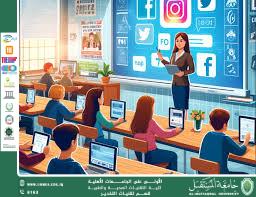
The Effects of Social Media on Students' Academic Performance and Well-being
12/04/2025 Share :
Social media has become an integral part of students' lives, offering opportunities for communication, entertainment, and learning. However, its excessive use can negatively impact academic performance, mental health, and social skills. This article explores both the positive and negative effects of social media on students. <br /><br />## Positive Effects of Social Media on Students <br /><br />### 1. Enhances Learning Opportunities <br />Social media platforms like YouTube, Facebook, and LinkedIn provide access to educational content, online courses, and study groups. Students can collaborate with peers, share resources, and gain knowledge beyond the classroom. <br /><br />### 2. Improves Communication Skills <br />Platforms such as WhatsApp, Instagram, and Twitter allow students to interact with friends, teachers, and experts worldwide. This helps in developing communication and networking skills. <br /><br />### 3. Encourages Creativity and Self-expression <br />Students use platforms like TikTok, Instagram, and Pinterest to showcase their talents, share creative projects, and express their opinions, boosting confidence and innovation. <br /><br />### 4. Provides Career and Academic Opportunities <br />LinkedIn and other professional networks help students connect with mentors, find internships, and explore career options. Many universities also use social media for admissions and announcements. <br /><br />## Negative Effects of Social Media on Students <br /><br />### 1. Distraction from Studies <br />Excessive use of social media can lead to procrastination, reducing study time and focus. Notifications and endless scrolling often disrupt concentration, affecting academic performance. <br /><br />### 2. Sleep Deprivation <br />Late-night social media browsing can lead to poor sleep quality, resulting in fatigue, lack of focus, and lower productivity in school. <br /><br />### 3. Mental Health Issues <br />Constant comparison with others on social media can cause anxiety, depression, and low self-esteem. Cyberbullying is another serious issue that affects students' emotional well-being. <br /><br />### 4. Reduced Face-to-Face Social Skills <br />Over-reliance on online interactions can weaken real-life communication skills, making it harder for students to engage in meaningful offline relationships. <br /><br />### 5. Spread of Misinformation <br />False news and misleading content on social media can influence students' opinions and knowledge, leading to confusion and misinformation. <br /><br />## How Students Can Use Social Media Wisely <br />- Set time limits to avoid excessive use. <br />- Follow educational pages to gain useful knowledge. <br />- Avoid comparing themselves to others online. <br />- Take breaks to focus on studies and real-life interactions. <br />- Verify information before sharing or believing posts. <br /><br />## Conclusion <br />Social media has both benefits and drawbacks for students. While it enhances learning and connectivity, excessive use can harm academic performance and mental health. By using social media responsibly, students can maximize its advantages while minimizing negative effects.<br />د. سجاد علوان <br />Al-Mustaqbal University is the first university in Iraq<br />