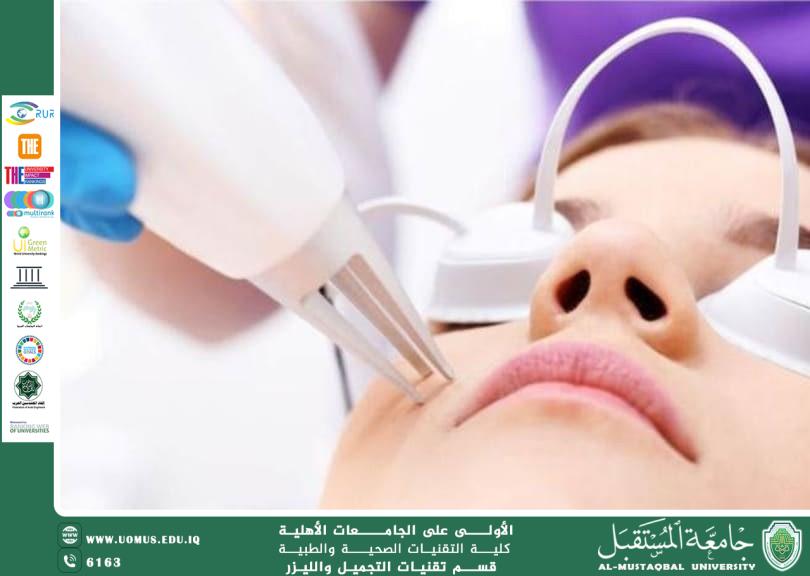
Laser Interaction with Skin: Biological Foundations and Medical Applications
13/04/2025 Share :
Introduction<br />Lasers have become an essential tool in modern medicine, particularly in dermatology, where they are used in a wide range of therapeutic and cosmetic procedures. Laser interaction with skin depends on complex physical and biological properties, including light absorption, heat transfer, and tissue interaction with energy.<br />1. The Physical Basis of Laser Interaction with Skin<br />Lasers consist of monochromatic, coherent, and directed light that can be tuned to specific wavelengths. When a laser is directed at the skin, the interaction depends on several factors, including:<br />Wavelength: Determines the depth of laser penetration into tissue.<br />Pulse Duration: Affects the concentration of heat and minimizes damage to surrounding tissue.<br />Energy or Fluence: Controls the intensity of the effect on the target tissue.<br /> 2. Target Skin Components (Chromophores)<br />The skin absorbs laser light through specific substances known as chromophores, such as:<br />Melanin: The pigment responsible for skin color, absorbs short wavelengths (such as the 755 nm Alexandrite laser).<br />Hemoglobin: Found in blood vessels, absorbs shorter wavelengths (such as the Pulsed Dye laser).<br />Water: The main component of tissue, absorbs longer wavelengths (such as the CO2 laser).<br />3. Types of Laser-Skin Interactions<br />Depending on the type of laser and method of application, one or more of the following interactions may occur:<br />Thermal Effect: Used to remove hair or blood vessels.<br />Ablation: Used to remove the superficial layers of the skin (as in dermabrasion).<br />Coagulation: Destroys the target tissue without vaporizing it.<br /> Selective Photothermolysis: A key principle based on targeting chromophores without harming surrounding tissue.<br />4. Clinical Applications of Lasers in Dermatology<br />Hair Removal: By targeting melanin in hair follicles.<br />Treatment of pigmentation: such as melasma and freckles, using lasers with wavelengths compatible with melanin.<br />Vascular Treatment: such as varicose veins and hemangiomas using PDL or Nd:YAG lasers.<br />Skin Resurfacing and Rejuvenation: Using CO2 and Er:YAG lasers.<br />Treatment of scars and acne: By stimulating collagen and regenerating the skin.<br />5. Side Effects and Risks<br />Despite the benefits of lasers, they may cause:<br />Temporary redness and swelling<br />Temporary or permanent skin pigmentation<br />Burns or ulcers if misused.<br />This depends on the skin type, the type of laser, and the doctor's experience.<br /> Conclusion<br />Lasers have revolutionized the treatment of dermatological and cosmetic diseases, but they require a thorough understanding of the optical and biological properties of the skin to ensure treatment effectiveness and patient safety. As technology advances, the precision and efficiency of laser treatments are expected to increase in the future.<br />Prepared by: Shahad Nawras Abbas<br />Al _ Mustaqbal University, the first university in Iraq<br /><br /><br />