The Unsung Hero of Airway Management: Understanding the Laryngeal Mask Airway (LMA)
14/04/2025 Share :
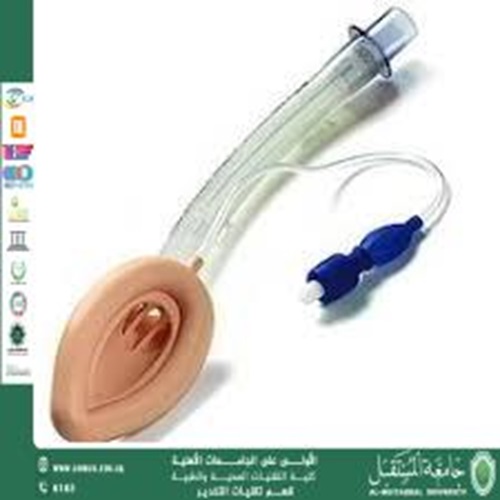
In the high-stakes world of anesthesia and emergency medicine, maintaining a patient's airway is paramount. While endotracheal intubation has long been the gold standard, another invaluable tool has emerged and become a cornerstone of modern practice: the Laryngeal Mask Airway (LMA). This deceptively simple device has revolutionized airway management, offering a less invasive yet effective alternative in a variety of clinical scenarios.<br /><br />What is a Laryngeal Mask Airway?<br />The LMA is a supraglottic airway device, meaning it sits above the vocal cords rather than passing through them. It consists of an inflatable elliptical mask connected to a breathing tube. The mask is designed to create a low-pressure seal around the larynx, allowing for ventilation and oxygenation of the patient.<br />A Brief History of Innovation:<br />The LMA was conceived and developed by British anesthesiologist Dr. Archie Brain in the late 1980s. His vision was to create an airway device that was easier to insert and less traumatic than an endotracheal tube while still providing a secure airway. The initial models proved successful, and the LMA quickly gained acceptance within the medical community. Over the years, various iterations and advancements have been introduced, catering to different patient populations and clinical needs. <br /><br /><br />How Does It Work?<br />Insertion of an LMA is generally straightforward. After lubrication, the deflated mask is inserted blindly into the patient's mouth and advanced until resistance is felt. The cuff is then inflated, creating a seal around the laryngeal inlet. This seal allows for positive pressure ventilation, delivering oxygen and anesthetic gases to the lungs.<br /><br /><br />Advantages of Using an LMA:<br />The LMA offers several significant advantages over traditional endotracheal intubation:<br /> 1) Easier Insertion: LMA insertion requires less skill and training compared to endotracheal intubation, making it a valuable tool for healthcare providers with varying levels of experience.<br /> 2) Reduced Trauma: Because it doesn't pass through the vocal cords, the LMA is associated with less trauma to the trachea and larynx, leading to a lower incidence of sore throat, hoarseness, and tracheal stenosis postoperatively.<br /> 3) Less Hemodynamic Disturbance: Insertion of an LMA typically elicits a smaller increase in heart rate and blood pressure compared to intubation, which can be particularly beneficial for patients with cardiovascular comorbidities.<br /> 4) Faster Recovery: Patients often experience a smoother and faster recovery after LMA use due to the reduced airway irritation.<br /> 5) Versatility: LMAs are used in a wide range of situations, including: <br /> A. Routine Anesthesia: As a primary airway device for many elective surgical procedures.<br /> B. Difficult Airway Management: As a rescue device when endotracheal intubation fails.<br /> C. Emergency Medicine: In pre-hospital settings and emergency departments for rapid airway control.<br /> D. Pediatric Anesthesia: Specially designed LMAs are available for infants and children.<br /> E. Conscious Sedation: In certain procedures where maintaining a secure airway is necessary but deep anesthesia is not required.<br />Limitations and Considerations:<br />While the LMA is a valuable tool, it's important to acknowledge its limitations:<br /> A. Aspiration Risk: The seal provided by an LMA is not as robust as that of an endotracheal tube, making it less suitable for patients at high risk of aspiration (e.g., those with a full stomach or gastroesophageal reflux).<br /> B. Limited Airway Pressure: Higher airway pressures may lead to leakage around the LMA cuff, potentially limiting its use in certain patients with significant lung pathology.<br /> C. Not Suitable for All Surgeries: Procedures requiring muscle relaxation or prone positioning may necessitate endotracheal intubation for optimal airway control and protection.<br />The Evolution Continues:<br />Ongoing research and development have led to the creation of various LMA designs with enhanced features. These include:<br /> 1) Reinforced LMAs: Designed to resist kinking, particularly useful in prone positioning.<br /> 2) Intubating LMAs: Allow for facilitated endotracheal intubation through the device.<br /> 3) Gastric Access LMAs: Incorporate a channel for gastric drainage, helping to mitigate aspiration risk in certain situations.<br />Conclusion:<br />The laryngeal mask airway has undeniably transformed airway management. Its ease of insertion, reduced invasiveness, and versatility have made it an indispensable tool for healthcare professionals across various specialties. While it may not entirely replace endotracheal intubation, the LMA offers a safe and effective alternative in a multitude of clinical scenarios, ultimately contributing to improved patient outcomes and a more nuanced approach to securing the airway. As technology continues to advance, we can expect further innovations in LMA design, solidifying its place as an unsung hero in the critical field of airway management.<br /><br /> <br />م م نهى نوماس شاطي <br />Al-Mustaqbal University is the first university in Iraq