Sustainability in Construction: How to Design Environmentally Friendly Buildings
16/04/2025 Share :
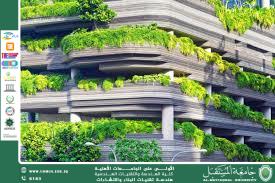
In light of the growing environmental challenges and climate change, it has become crucial to rethink the way we build our cities and homes. It is no longer enough for a building to be aesthetically pleasing or functional; it must also be environmentally friendly, energy-efficient, and adaptable to its natural surroundings with minimal impact. This is where the concept of sustainability in construction comes into play.<br /><br />🌿 What Are Sustainable Buildings?<br />Sustainable or "green" buildings are those that are designed, constructed, and managed in a way that reduces negative environmental impact, while improving resource efficiency such as energy, water, and raw materials. They also aim to create a healthy and safe environment for occupants and users, while considering the needs of future generations.<br /><br />🏗️ How to Design Environmentally Friendly Buildings?<br />1. Smart Architectural Design<br />Maximizing the use of natural light to reduce reliance on electric lighting.<br /><br />Proper placement of windows and the building itself to reduce the need for air conditioning.<br /><br />Using "thermal mass" in the building (such as thick walls) to regulate temperature.<br /><br />2. Choosing Sustainable Building Materials<br />Using recycled materials or locally sourced materials to reduce emissions from transportation.<br /><br />Avoiding harmful materials like asbestos or paints that contain volatile organic compounds.<br /><br />3. Energy Consumption Efficiency<br />Integrating renewable energy systems such as solar panels or wind turbines.<br /><br />Using high-efficiency electrical appliances (such as those with Energy Star certification).<br /><br />Proper insulation for walls and roofs to minimize energy loss.<br /><br />4. Effective Water Management<br />Installing low-flow faucets and toilets.<br /><br />Collecting rainwater for irrigation or cleaning purposes.<br /><br />Recycling gray water (like from sinks) for non-potable uses.<br /><br />5. Green Spaces and Integration with the Environment<br />Creating rooftop gardens (green roofs).<br /><br />Using native plants that require less water.<br /><br />Reducing asphalt surfaces that contribute to urban heat islands.<br /><br />🌎 Why Build Environmentally Friendly Buildings?<br />Cost savings in the long run (lower energy and water bills).<br /><br />Reduction in carbon footprint and contributing to environmental protection.<br /><br />Improved indoor air quality, which positively affects the health of occupants.<br /><br />Increased property value and alignment with modern global standards.<br /><br />✅ Successful Real-World Examples<br />The Burj Khalifa in Dubai uses an advanced cooling system that reduces energy consumption.<br /><br />The "Masdar City" project in Abu Dhabi is a model for a fully sustainable city.<br /><br />Buildings in Scandinavian countries are often made from treated wood and incorporate solar and thermal energy systems.<br /><br />🧠 In Conclusion<br />The shift towards sustainable construction is not just a passing trend, but a necessary move to address current and future environmental challenges. Every design decision, every material we use, and every system we install can have a positive or negative impact on our planet. Let’s choose the green path and make our buildings a part of the solution, not the problem.