A scientific article by the lecturer (Dr. Karim Abis Handoul) entitled "14 times more powerful than hydrogen... an innovation that creates the energy of the future. High-frequency sound waves reduce production costs to unprecedented levels."
20/04/2025 Share :
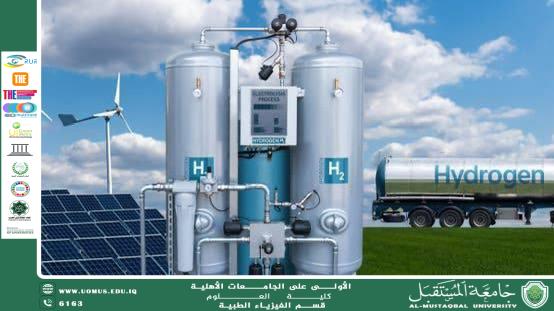
Sustainable and renewable energy has become a global trend that shows no sign of slowing down—especially as the world seeks environmentally friendly energy alternatives. Among the preferred sources is hydrogen, which stands at the forefront of this industry, offering a clean substitute for fossil fuels. However, due to various factors such as cost-efficiency and storage challenges, hydrogen has faced multiple barriers to realizing its full potential.<br /><br />A recent study from RMIT University in Melbourne, Australia, has managed to shift this reality by introducing a more powerful and efficient technique to boost hydrogen production with minimal effort. The research project found a way to enhance the productivity of water electrolysis—a process used to generate green hydrogen.<br /><br />While traditional methods using high-frequency vibrations to increase hydrogen production efficiency have struggled due to the accumulation of hydrogen and oxygen bubbles during the process (which reduces performance and electrode activity), RMIT’s breakthrough offers a solution.<br /><br />The project introduced the use of high-frequency sound waves during the electrolysis process. These waves prevent bubble formation, thereby maintaining optimal performance instead of diminishing it. After applying and analyzing this method, researchers found that the use of sound waves produced 14 times more hydrogen without bubble interference, according to Ecoportal and reported by Al Arabiya Business.<br /><br />Not only does this sonic-electrolysis technique generate significantly more energy, but it also reduces costs and makes green hydrogen more accessible to the public. This is especially important considering that current traditional electrolysis methods rely heavily on fossil fuels—making them both more expensive and harmful to the environment. With water being the main source in this new approach, it serves as a clean, natural, and ideal material for developing this form of energy.<br /><br />Reducing Costs Using Affordable Materials<br /><br />One of the main challenges in producing green hydrogen is the use of highly corrosive electrolytes and expensive materials like platinum or iridium in the electrolysis process. However, the RMIT team successfully used low-cost alternatives such as silver to overcome these issues. From both economic and environmental perspectives, green hydrogen emerges as the optimal solution.<br /><br />This technology paves the way for major advancements in the energy sector by addressing the global issues we currently face. While this breakthrough is promising, the team must still overcome challenges to scale up the technology, including integrating the sonic innovation with existing electrolysis devices.<br /><br /><br /><br />"AL_mustaqbal University is the first university in Iraq"<br/><br/><a href=https://uomus.edu.iq/Default.aspx target=_blank>al-mustaqbal University Website</a>