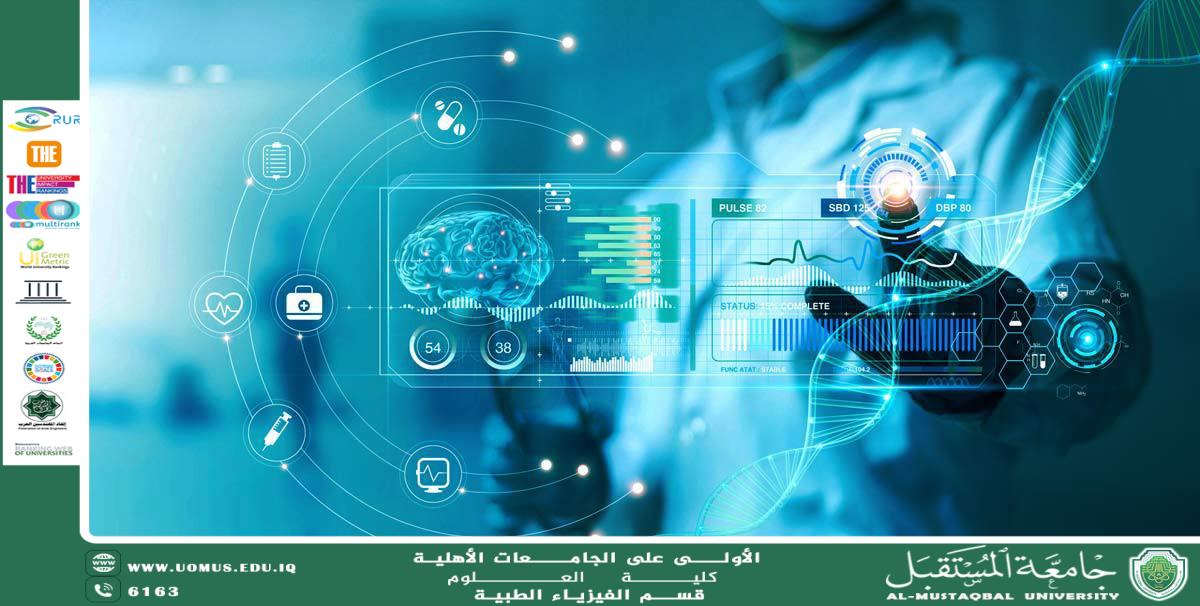
A scientific article by the teaching assistant (Iftikhar Thamer) entitled “The impact of medical progress on improving public health: from prevention to treatment”
24/04/2025 Share :
Introduction:<br /><br />In recent decades, the world has witnessed significant advancements in medicine, encompassing diagnostic technologies, treatments, and disease prevention strategies. These developments have directly influenced individual and community health, leading to increased life expectancy, reduced mortality rates, and a decline in the prevalence of chronic and infectious diseases.<br /><br />⸻<br /><br />Article Structure:<br /><br />1. Advancements in Preventive Medicine:<br /> • Health Awareness Campaigns and Vaccination Programs:<br />Initiatives aimed at educating the public about healthy lifestyles and the importance of immunizations have played a crucial role in preventing various diseases.<br /> • Early Detection and Screening Programs:<br />Implementing regular screening for conditions like cancer and diabetes has facilitated early intervention, improving treatment outcomes.<br /><br />2. Innovations in Medical Treatments:<br /> • Gene Therapy and Targeted Treatments:<br />Advances in genetic research have led to the development of therapies that target specific genes responsible for certain diseases, offering more effective treatment options.<br /> • Minimally Invasive Surgical Techniques:<br />The introduction of robotic surgeries and laparoscopic procedures has reduced recovery times and minimized surgical risks.<br /><br />3. The Role of Technology in Healthcare:<br /> • Telemedicine and Remote Monitoring:<br />The use of digital platforms for consultations and monitoring has expanded access to healthcare services, especially in remote areas.<br /> • Wearable Health Devices:<br />Gadgets that track vital signs and physical activity have empowered individuals to take proactive steps in managing their health.<br /><br />4. Current Challenges:<br /> • Healthcare Accessibility and Equity:<br />Despite advancements, disparities in healthcare access remain a significant issue, particularly in low-income regions.<br /> • Antibiotic Resistance:<br />The overuse and misuse of antibiotics have led to the emergence of resistant strains of bacteria, posing a threat to public health.<br /><br />5. The Future of Medicine and Public Health:<br /> • Personalized Medicine:<br />Tailoring medical treatment to individual genetic profiles holds promise for more effective and precise therapies.<br /> • Artificial Intelligence in Healthcare:<br />AI applications in diagnostics and treatment planning are set to revolutionize the medical field, offering faster and more accurate results.<br /><br />⸻<br /><br />Conclusion:<br /><br />The positive impact of medical advancements on public health is evident, yet challenges persist that require collaborative efforts among researchers, healthcare providers, and policymakers to ensure equitable and effective healthcare for all.<br /><br /><br /><br />"AL_mustaqbal University is the first university in Iraq"<br/><br/><a href=https://uomus.edu.iq/Default.aspx target=_blank>al-mustaqbal University Website</a>