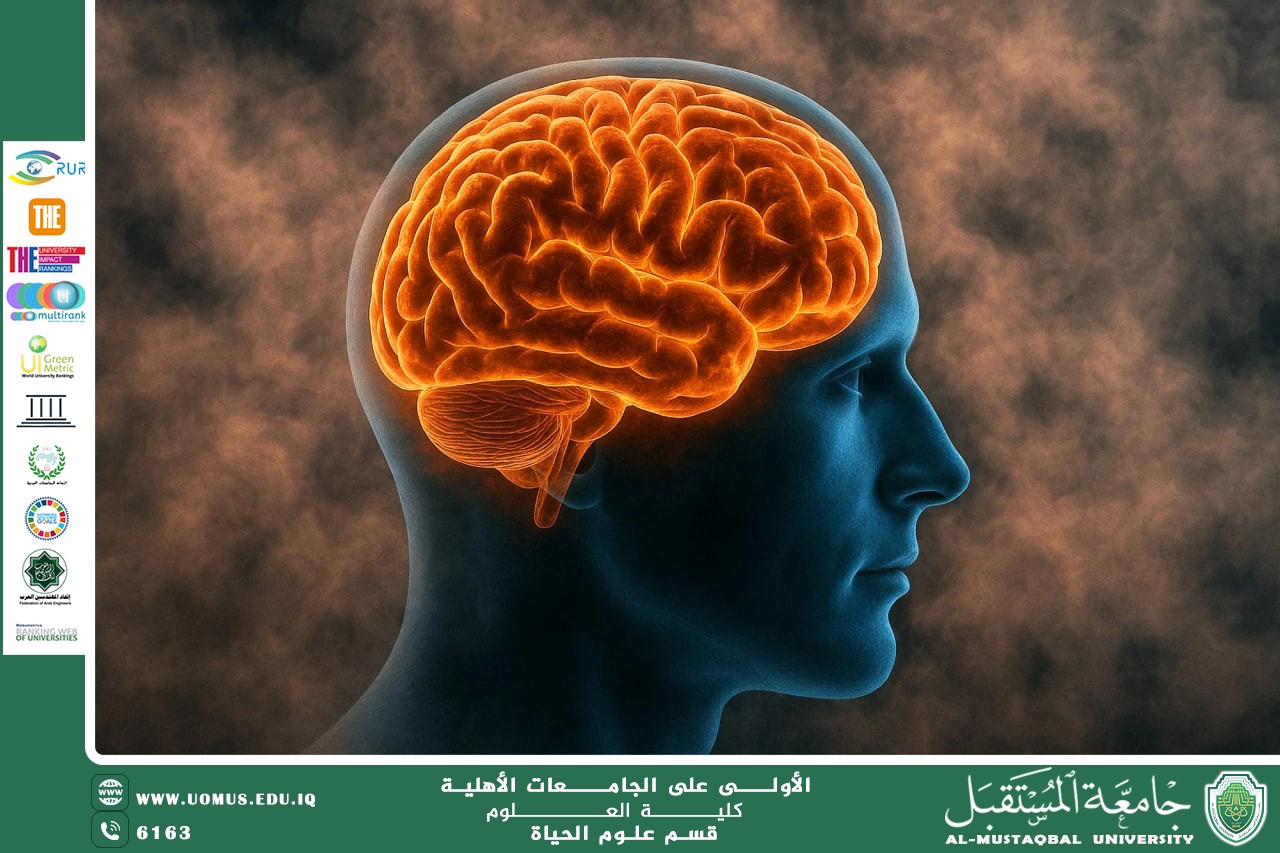
A scientific article by Ms. Nour Al-Huda Azmi Hassan entitled "The Interaction Between Environment and Neurodevelopment: The Effects of Pollution on the Brain"
23/04/2025 Share :
Environmental pollution is one of the greatest health challenges of modern times, with millions of people suffering from its negative health effects. Among the most significant effects demonstrated by recent scientific research is the impact of pollution on neurodevelopment. This impact is often linked to exposure of individuals, especially children, to toxic substances present in the environment, such as air pollutants and chemicals that enter the body through breathing, food, or water. The interaction between the environment and neurodevelopment reflects how environmental pollutants can negatively impact brain and neurodevelopment, affecting cognitive abilities and mental health.<br /><br />Environmental Pollution and Neurodevelopment: A Complex Relationship<br />Environmental factors interfere with the neurodevelopment of the brain, as toxic substances such as lead, mercury, and industrial chemicals affect neurodevelopment in the early stages of life. The developing brain is more susceptible to toxic effects, making children more vulnerable than adults.<br /><br />Air Pollutants: Fine particles in polluted air, such as nitrogen oxides and particulate matter, are pollutants that affect neurodevelopment. Studies have shown that exposure to these pollutants can lead to delayed mental development in children and a decline in cognitive abilities such as memory and concentration.<br /><br />Lead: Lead is one of the most dangerous pollutants affecting the brain. Even small amounts can affect neurodevelopment and lead to cognitive and behavioral problems in children, such as poor attention and limited learning ability. Lead poisoning can cause neurodevelopmental impairment and affect areas responsible for thinking and planning.<br /><br />Effects on the Brain at Different Stages of Development<br />The effects of environmental pollution on the brain vary depending on the age at which exposure occurs:<br /><br />Fetal Stage:<br />The fetus in the womb is among the most vulnerable to the effects of pollution. Studies have shown that fetal exposure to certain pollutants, such as mercury or air pollutants, can affect brain development and increase the likelihood of premature birth or the development of cognitive disabilities later in life.<br /><br />Early Childhood:<br />Children exposed to environmental pollutants in their early stages of development suffer from neurodevelopmental problems that may include learning disabilities and attention deficit disorders. These toxic substances affect sensory processing and hinder the development of emotional and social intelligence.<br /><br />Adolescence:<br />During adolescence, the brain is in the process of neural maturation, where connections between brain cells are largely formed. Exposure to pollutants such as nicotine and other chemicals may affect the development of mental abilities and social behavior.<br /><br />Effects on Cognitive and Behavioral Abilities<br />Environmental pollution affects cognitive and behavioral abilities through its direct impact on the brain:<br /><br />Memory Impairment:<br />Research suggests that chronic exposure to pollutants, such as nitrogen oxide, can lead to a decline in memory and concentration in children. Exposure to air pollution in early life may also lead to learning and memory difficulties later in life.<br /><br />Behavioral Disorders:<br />Pollutants such as lead and mercury affect the nervous system, potentially leading to changes in behavior, such as aggression or anxiety. There may also be an increase in cases of attention deficit hyperactivity disorder (ADHD).<br /><br />Impacts on Mental Abilities:<br />Children's exposure to environmental pollutants may result in lower scores on tests of intelligence and other cognitive abilities. These effects may be long-term, as the impact of pollution on brain development becomes apparent later in life.<br /><br />Pollution and Neurological Effects in Adults<br />In addition to its effects on children, environmental pollution can have significant effects on the brain in adulthood. Chronic exposure to pollutants may lead to:<br /><br />Cognitive impairment: Chronic pollution is associated with an increased risk of diseases such as Alzheimer's disease and dementia. Some studies have shown that continued exposure to air pollutants may lead to memory and cognition decline in adults.<br /><br />Depression and Anxiety: Pollutants affect the neural processes that regulate mood. There may be a link between chronic exposure to air pollution and an increased risk of mental health conditions such as depression and anxiety.<br /><br />Future Directions and Solutions<br />In light of these negative effects, several strategies can be adopted to mitigate the effects of environmental pollution on the brain:<br /><br />Reducing Exposure to Pollutants:<br />It is essential to reduce air pollutant levels in cities through clean energy technologies and sustainable transportation. Improving air quality in schools and homes can have a positive impact on children's neurological health.<br /><br />Community Awareness:<br />Raising awareness about the effects of pollution on the brain can help change behaviors and encourage environmental policies that protect individuals' health.<br /><br />Future Research:<br />More studies are needed to understand the precise relationship between pollution and neurodevelopment. Research should be devoted to understanding the long-term effects on the brain and how to address the damage caused by exposure to pollutants.<br /><br />al Mustaqbal University, the first university in Iraq