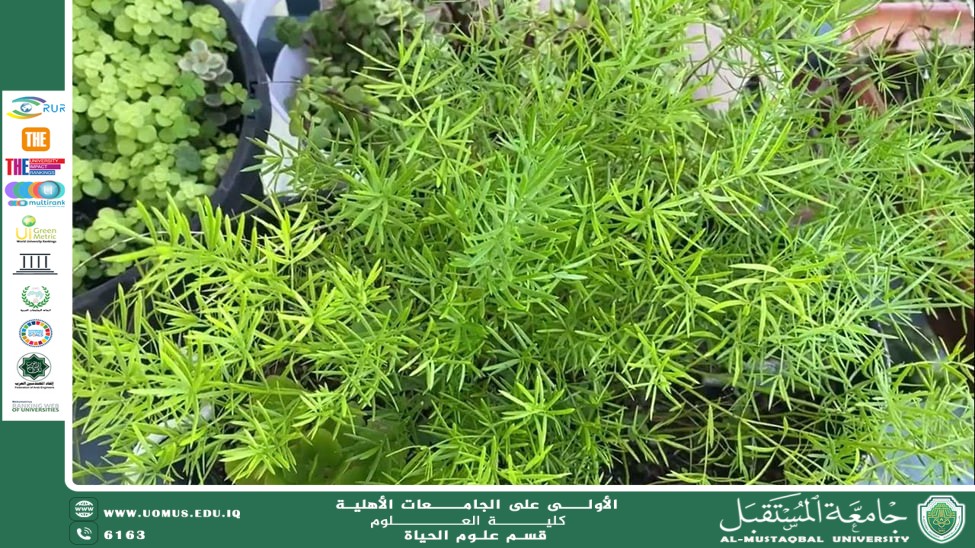
A scientific article by the lecturer (Assistant Professor Zainab Nazim Aziz) entitled “Sparaxis Plant”
26/04/2025 Share :
Sparaxis is a beautiful flowering plant with bright, vibrant colors, making it an ideal choice for adding a touch of vitality and beauty to gardens and open spaces. Also known as "ground iris," this plant is grown in many regions around the world for the beauty of its flowers and their distinctive color.<br />Native Origin<br />Sparaxis is native to South Africa, where it is primarily grown in temperate and warm climates. This plant belongs to the Iridaceae family and is popular in the Mediterranean and parts of North America due to its beauty and ease of cultivation.<br />Form and Characteristics<br />Sparaxis is a herbaceous flowering plant with narrow, long leaves similar to those of iris. Sparaxis flowers come in a variety of colors, ranging from red, yellow, pink, white, and even purple. The flowers are usually large and very beautiful, making them attractive in any garden arrangement.<br />Sparaxis can reach a height of approximately 40 cm and typically blooms in spring. The flowers grow on long stems, with a neat arrangement of flowers that bloom one after the other, adding to the aesthetic appeal.<br />Growing Conditions and Care<br />Light: Sparks prefer a sunny location for best growth and bright blooms. The plant should receive at least 6 hours of direct sunlight per day.<br />Watering: Water moderately. Sparks need relatively dry soil between waterings to avoid root rot. In winter, watering can be reduced as the plant enters a dormant period.<br />Soil: Sparks prefer light, sandy, well-drained soil. Some organic matter can be added to improve soil fertility.<br />Temperature: Sparks prefer temperatures between 18 and 22°C during the growing season. They should be planted in warm areas, and root freeze-up should be avoided in areas with harsh winters.<br />Fertilization: Fertilize the plant with a balanced fertilizer during the growing season (spring and summer). This helps promote plant health and increase flower numbers.<br /><br />Propagation Methods<br />Sparks are propagated by bulbs (tubers). The bulbs are carefully separated and planted in soil in fall or spring. The plant can flower once new bulbs form.<br />Common Problems<br />Sparks may experience some problems, such as:<br />Yellowing leaves: This may be due to overwatering or nutrient deficiencies. It is best to reduce watering in winter.<br />Root rot: This occurs when the soil retains water for a long period of time, leading to root rot.<br />Insects: Such as aphids or mites can attack the plant and cause leaf damage. This problem can be treated with natural insecticides.<br />Uses<br />Sparks are an ideal flowering plant for landscaping and open areas. They can be grown in gardens as a seasonal ornamental or in rock gardens. They are also used in flowerpots and indoor flower arrangements. With their bright colors and diverse blooms, sparks are a great choice for adding beauty to any space.<br /><br /><br />al Mustaqbal University is the first university in Iraq.