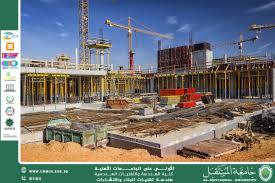
Environmental Challenges in Infrastructure Projects and How to Address Them
29/05/2025 Share :
Infrastructure projects are among the most important factors for economic and social development in any country. However, they face many environmental challenges that can negatively impact the environment and local communities. Therefore, it has become essential to adopt effective strategies to address these challenges and ensure the sustainability of projects.<br /><br />Major Environmental Challenges in Infrastructure Projects<br />Soil Degradation and Desertification<br />Excavation and construction activities lead to the removal of vegetation cover and expose the soil to erosion, increasing the risk of desertification.<br /><br />Water Pollution<br />Leakage of chemicals and waste from construction sites into groundwater and surface water threatens water quality and human health.<br /><br />Air Pollution<br />Emissions of dust and gaseous pollutants from heavy machinery and construction processes affect air quality and residents' health.<br /><br />Destruction of Natural Habitats<br />Building roads, bridges, and other infrastructure may lead to loss of natural habitats and biodiversity.<br /><br />Noise and Vibrations<br />Noise generated by construction work affects the lives of surrounding residents and can cause health issues.<br /><br />Ways to Address Environmental Challenges<br />Preliminary Environmental Planning<br />Conduct environmental impact assessments before starting the project to identify risks and develop appropriate solutions.<br /><br />Using Sustainable Construction Technologies<br />Such as using eco-friendly materials, emission reduction technologies, and recycling waste.<br /><br />Effective Waste Management<br />Sorting waste, recycling, and safe disposal of hazardous materials.<br /><br />Protecting Water Resources<br />Installing systems to prevent pollutant leakage and treating used water before discharge.<br /><br />Rehabilitation of Affected Areas<br />Planting trees and restoring natural habitats after project completion.<br /><br />Monitoring Air Quality and Noise Levels<br />Using continuous measurement devices and taking measures to reduce emissions and noise.<br /><br />Role of Stakeholders<br />Governments: Enacting and enforcing strict environmental laws and regulations.<br /><br />Contractors: Adhering to good environmental practices and using clean technologies.<br /><br />Local Communities: Participating in monitoring and raising awareness about the importance of environmental protection.<br /><br />Conclusion<br />Environmental challenges in infrastructure projects require high awareness and joint efforts from all parties to ensure the implementation of sustainable development projects that preserve the environment and improve quality of life. Through good planning and the use of appropriate technology, environmental damages can be minimized, achieving a balance between development and natural resource protection.