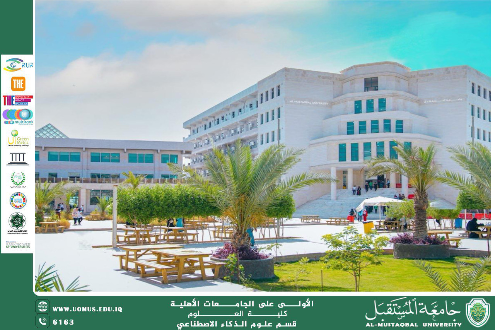
Private Universities in Iraq: A New Reality and Renewed Ambition
02/06/2025 Share :
Private Universities in Iraq: A New Reality and Renewed Ambition<br /><br />In recent years, Iraq has witnessed a significant transformation in its higher education landscape, particularly with the rapid expansion and development of private universities. These institutions are no longer seen as mere alternatives to public universities but have become strategic partners in building a strong academic and knowledge-based society. They now respond effectively to the evolving needs of the labor market.<br /><br />The Current State of Private Universities<br /><br />Today, private universities in Iraq boast modern infrastructure, adopt contemporary academic programs aligned with global standards, and increasingly focus on the quality of education and scientific research. The Ministry of Higher Education and Scientific Research has played a vital role in regulating these institutions, ensuring that licensing and operation are based on clear academic standards. This oversight has enhanced the reputation of private universities both locally and regionally.<br /><br />Many of these universities have also embraced modern teaching technologies, such as e-learning platforms and smart classrooms. Some have even launched joint programs with international universities, helping to meet student demands while keeping pace with global academic trends.<br /><br />Ongoing Challenges<br /><br />Despite noticeable progress, private universities in Iraq still face several challenges. These include a shortage of qualified academic staff, the need to strike a balance between profitability and educational quality, and the importance of building public trust in their academic output. Additionally, some institutions struggle with limited funding or ineffective administration, which calls for periodic policy reviews and tighter accreditation measures.<br /><br />Ambitions for the Future<br /><br />The renewed ambition of private universities lies in their potential to transform into innovative educational hubs, driven by research, global collaboration, and technology. For instance, the adoption of digital university identities has been an important step toward full digital transformation—streamlining student services, academic management, and integration with international research networks