From Poverty to Well-being: Integrating the Goals of Poverty Eradication, Food Security, Economic Growth, and Responsible Consumption
29/06/2025 Share :
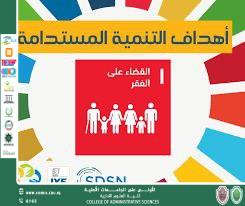
Prof. Dr. Haider Ali Al-Dulaimi<br />College of Administrative Sciences - Al-Mustaqbal University<br />Achieving sustainable development is a global challenge that requires coordination and integration across its various goals, particularly when it comes to eradicating poverty, ensuring food security, promoting inclusive economic growth, and encouraging sustainable consumption and production patterns. These four goals—Goal 1 (No Poverty), Goal 2 (Zero Hunger), Goal 8 (Decent Work and Economic Growth), and Goal 12 (Responsible Consumption and Production)—represent interconnected axes, and none can be achieved without supporting the others.<br />Eradicating Poverty: The Cornerstone<br />Poverty in all its forms represents a major obstacle to comprehensive development. Poverty does not simply mean the absence of income; it also includes deprivation of basic services such as education, healthcare, clean water, and adequate housing. To eradicate poverty, individuals must be economically empowered and their productive capacities enhanced, which requires creating an economic environment that provides employment opportunities and sustainable income. Food Security: A Humanitarian and Economic Imperative<br />Food security is closely linked to poverty, as weak purchasing power deprives individuals of adequate food. This leads to health problems that reduce the ability to work and learn, deepening the cycle of poverty. Therefore, improving agricultural production, ensuring equitable food distribution, and supporting small farmers are essential steps to achieve this goal and promote social stability.<br />Economic Growth and Decent Work: The Path to Well-being<br />Economic growth is only feasible if it is inclusive, equitable, and provides decent employment opportunities for all. Investing in education and vocational training, encouraging entrepreneurship, and providing a stable business environment can generate jobs that contribute to reducing poverty rates, improving living standards, and achieving social justice.<br />Responsible Consumption and Production: Ensuring Resource Sustainability<br />Sustainable development cannot be discussed without reviewing consumption and production patterns. Wasteful use of natural resources and overproduction without regard for environmental impacts deplete the resources of future generations. Therefore, encouraging conscious consumption patterns, improving resource efficiency, and adopting clean technologies are essential steps to ensure long-term sustainability. Integrating the Goals: A Comprehensive Approach to the Future<br />These goals cannot be implemented in isolation, but rather are integrated into an interconnected system. Eradicating poverty contributes to improving food security, economic growth creates job opportunities and income, and responsible consumption conserves the resources on which production depends. Therefore, adopting integrated policies that take these interconnections into account will accelerate the pace of comprehensive and equitable development.<br />Based on what we have mentioned, we can say: From poverty to well-being, the path is not impossible, but it requires political will, strategic planning, international and local cooperation, and the genuine engagement of all segments of society. Without integrating the sustainable goals into a unified development vision, efforts will remain scattered and results will remain limited. Working to achieve the integration of these goals represents an essential step toward building a more just, dignified, and prosperous future for all.<br />Al-Mustaqbal University is ranked first among private universities.