The Importance of Red Blood Cells in the Human Body
01/07/2025 Share :
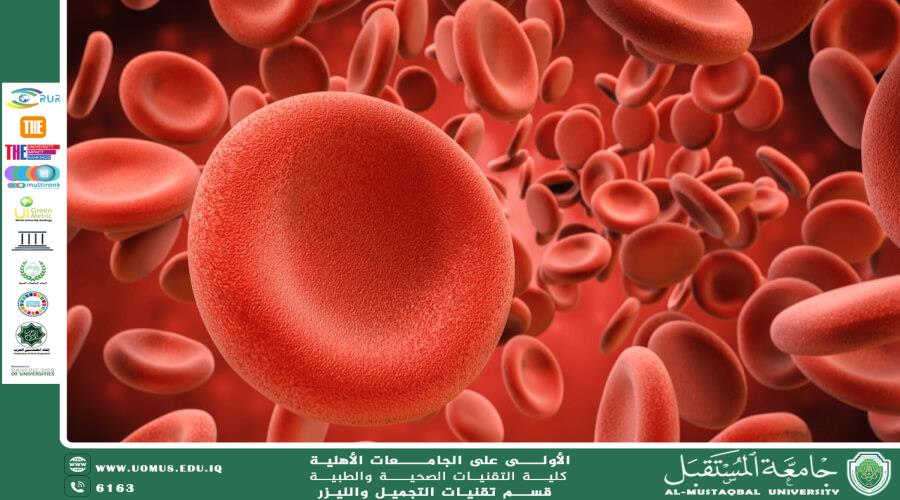
Introduction<br />Blood is the lifeline of the human body, containing various components—among the most vital are Red Blood Cells (RBCs). These cells play a central role in sustaining life by transporting oxygen and removing gaseous waste from tissues.<br /> What Are Red Blood Cells?<br />Red blood cells are small, biconcave disc-shaped cells that lack a nucleus, which increases their surface area to facilitate gas exchange.<br />They are rich in a protein called hemoglobin, which enables them to bind and transport oxygen and carbon dioxide.<br /> The Importance of Red Blood Cells<br />1. Transporting Oxygen to Body Tissues<br />Every cell in the body needs oxygen to generate energy. Red blood cells are the primary carriers of oxygen from the lungs to tissues.<br />This is made possible by hemoglobin, which binds to oxygen molecules with high efficiency.<br />2. Removing Carbon Dioxide<br />In addition to carrying oxygen, RBCs transport carbon dioxide—a waste product of cellular metabolism—from tissues back to the lungs, where it is exhaled.<br />This helps maintain acid-base balance (pH) in the blood.<br />3. Maintaining Blood pH Balance<br />RBCs assist in regulating the pH of the blood by buffering acids and bases. This function is vital for preserving the optimal environment needed for enzyme activity and other metabolic processes.<br />4. Supporting Nutrient and Hormone Delivery (Indirectly)<br />Although plasma is the main transporter of nutrients and hormones, RBCs help maintain smooth blood flow, ensuring efficient delivery of these substances, particularly to high-demand tissues like muscles and the brain.<br /> What Happens If RBCs Are Deficient?<br />A decrease in red blood cell count can lead to anemia, with symptoms including:<br />Fatigue<br />Shortness of breath<br />Pale skin<br />Poor concentration<br />Anemia may result from iron deficiency, vitamin B12 deficiency, or genetic conditions such as thalassemia and sickle cell anemia.<br /> How to Maintain Healthy Red Blood Cells<br />Eat iron-rich foods (e.g., meat, lentils, spinach)<br />Ensure sufficient intake of vitamin B12 and folic acid (e.g., eggs, dairy, liver)<br />Exercise regularly<br />Avoid smoking and exposure to toxins<br />Stay hydrated<br />Conclusion<br />Red blood cells are essential to human life. They deliver oxygen, support metabolism, and help eliminate waste gases. Any imbalance in their number or function can have significant health effects.<br />Maintaining their health through good nutrition and lifestyle is key to overall well-being.<br />AL_mustaqbal University is the first university in Iraq