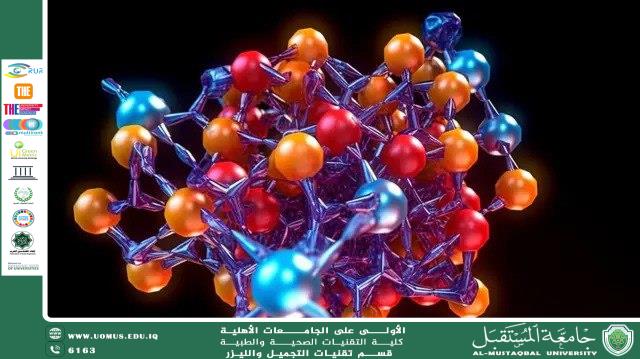
Enzymes in the Human Body: The Hidden Engine of Life
17/07/2025 Share :
Introduction<br />Enzymes are protein compounds that play a fundamental role in all biological processes within the human body. They are the hidden engines that accelerate chemical reactions without being consumed, making biological life possible.<br />What are enzymes?<br />An enzyme is a protein substance produced within the body that acts as a biocatalyst, meaning it accelerates chemical reactions occurring in cells without being changed or consumed during the reaction.<br />Types of enzymes according to their functions:<br />Digestive enzymes:<br />Amylase: Found in saliva, it begins the digestion of starches, converting them into simple sugars.<br />Pepsin: Works in the stomach to break down proteins into peptides.<br />Lipase: Secreted by the pancreas, it digests fats into fatty acids and glycerol.<br />Trypsin: Produced in the pancreas, it completes the digestion of proteins in the small intestine.<br /> Metabolic Enzymes:<br />Contribute to the reactions that convert food into energy within cells, such as the enzymes of the Krebs cycle, which produce ATP (the primary energy source).<br />Defensive Enzymes:<br />Like lysozyme, found in tears and saliva, which breaks down bacterial cell walls.<br />Catalase: Breaks down toxic hydrogen peroxide in cells into water and oxygen.<br />Regulatory Enzymes:<br />Participate in regulating vital processes such as acid-base balance and modulating hormonal signals.<br />Importance of Enzymes:<br />Accelerating biochemical reactions.<br />Aiding in the digestion and absorption of food.<br />Protecting the body from toxins and germs.<br />Supporting the nervous and hormonal systems.<br />Maintaining internal balance (homeostasis).<br />Factors Affecting Enzyme Function:<br />Temperature: High temperatures can disrupt enzyme function.<br />Physical pH: Each enzyme has an optimal pH level at which it operates efficiently.<br />Enzyme and substrate concentration.<br /> Presence of inhibitors: Some substances, whether natural or pharmaceutical, slow or stop the action of enzymes.<br />Diseases resulting from enzyme deficiencies:<br />Lactase deficiency: Leads to the inability to digest milk sugar (lactose).<br />Gaucher disease: Resulting from a deficiency of a specific enzyme, leading to the accumulation of fat in the body's organs.<br />Some genetic metabolic diseases: Occur as a result of a defect in the production or activity of a specific enzyme.<br />Conclusion<br />Enzymes are vital, indispensable components of the human body, performing thousands of functions every moment of our lives. Understanding how they work and maintaining their health helps enhance bodily functions and improve quality of life.<br />Al-Mustaqbal University, the first university in Iraq<br />Prepared by Ms. Shahad Nawras Abbas