A scientific article by the lecturer, : Dr. Ghaith Ali Mahmoud (Keratoconus 1)
22/07/2025 Share :
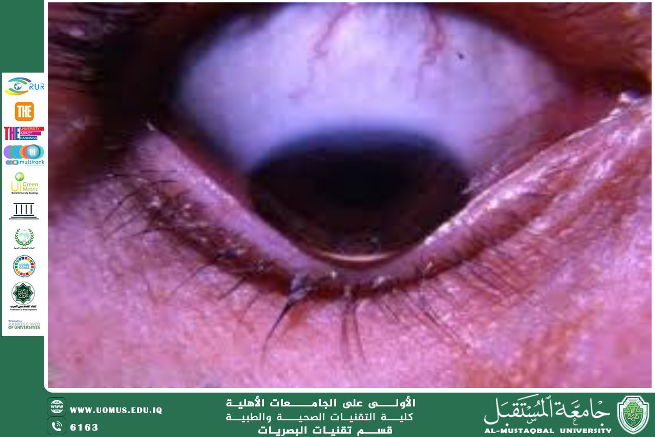
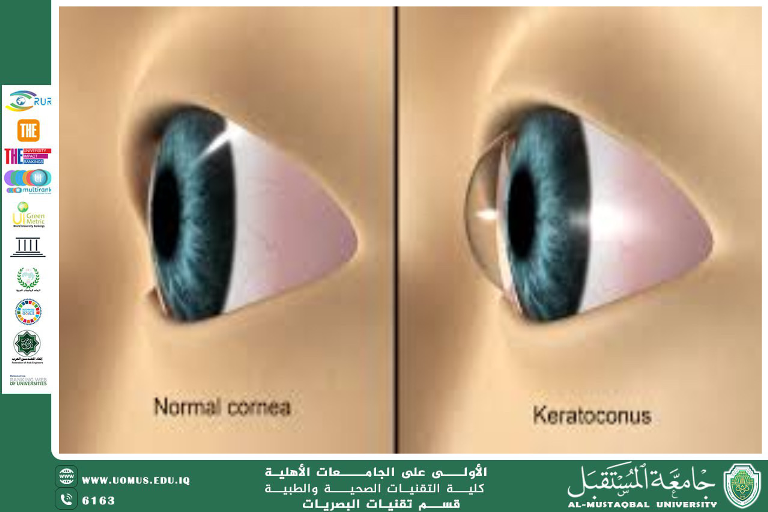
Introduction<br />Keratoconus is a progressive degenerative disorder of the cornea, in which the normally spherical corneal shape gradually thins and bulges into an irregular cone-like shape. This structural deformation leads to abnormal light refraction within the eye, resulting in visual distortions such as blurred vision, double images (diplopia), and increased sensitivity to light (photophobia). The condition typically begins during adolescence or early adulthood and may either stabilize or continue to worsen over time.<br />Epidemiology<br />The prevalence of keratoconus is estimated to range from 1 to 5 cases per 2,000 individuals, though the incidence may be higher in certain populations due to genetic or environmental factors. It affects both males and females, though some studies suggest a slightly higher prevalence in males. The condition is more frequently observed in communities with high rates of consanguineous marriage or a family history of keratoconus.<br />Etiology and Contributing Factors<br />Although the exact cause of keratoconus remains unclear, several contributing factors have been identified:<br />• Genetic predisposition: Studies suggest a hereditary component with familial clustering of cases.<br />• Chronic eye rubbing: Prolonged mechanical stress is believed to weaken corneal collagen fibers.<br />• Associated systemic conditions: Such as asthma, eczema, Down syndrome, and Marfan syndrome.<br />• Corneal enzymatic imbalances: Biochemical abnormalities in the cornea may lead to increased oxidative stress and tissue degradation.<br />Clinical Symptoms<br />Symptoms vary depending on the severity of the condition and may include:<br />• Progressive blurred vision<br />• Frequent need to change glasses or contact lens prescriptions<br />• Double vision or ghosting of images<br />• Halos around lights, especially at night<br />• Photophobia (light sensitivity)<br />• Headaches, often due to visual strain<br /><br />