A scientific article by the lecturers, Assist.Prof.Dr. Munther Sameen Shukur / Lect. Mohaimen Sameer Aref / Lect. Ali Hadi Al-Husseini (Toxoplasmosis and Its Ocular Impact (Toxoplasma Infection))
23/07/2025 Share :
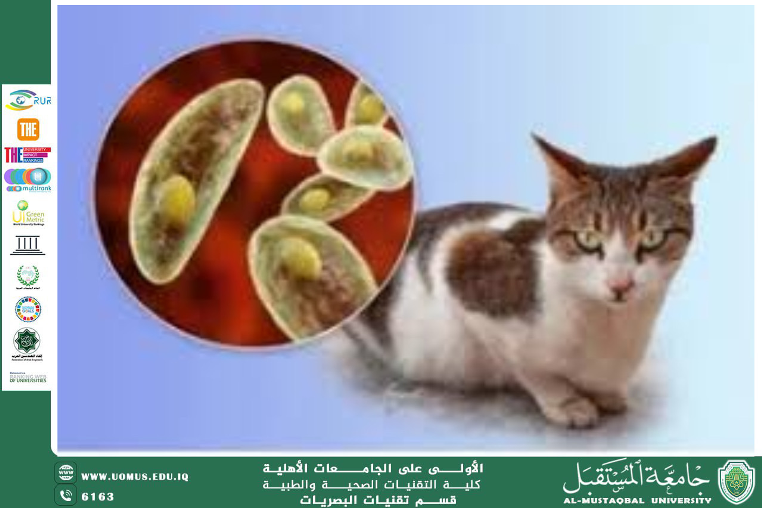
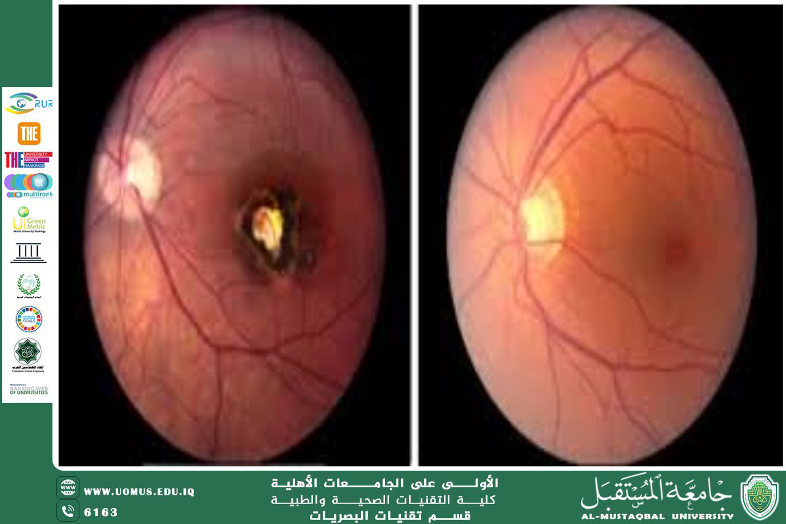
Introduction<br />Cats are known carriers of diseases that can affect the human eye, most notably toxoplasmosis (a parasitic infection) and cat scratch disease (a bacterial infection). Both conditions may lead to serious ocular complications such as retinitis or vision loss.<br />Part 1: Toxoplasmosis (Cat Disease)<br />Toxoplasmosis is caused by the protozoan parasite Toxoplasma gondii, commonly found in cat feces and undercooked meat.<br />How Does It Affect the Eye?<br />The parasite forms cysts in ocular tissues—particularly the retina and choroid—leading to:<br />• Retinochoroiditis (inflammation of the retina and choroid)<br />• Blind spots in the visual field<br />• Sudden blurred vision<br />Populations at Highest Risk for Ocular Complications<br />Group Ocular Complications<br />Fetuses Retinal malformations, glaucoma, partial blindness<br />Immunocompromised patients Severe retinitis, possible retinal detachment<br />Healthy individuals Mild inflammation that typically heals with residual scarring<br /><br />Diagnosis and Treatment<br />• Serologic testing:<br />o IgM antibodies indicate recent infection<br />o IgG antibodies indicate past exposure<br />• Ocular imaging: Optical Coherence Tomography (OCT) to detect retinal swelling<br />• Treatment:<br />o Pyrimethamine + Sulfadiazine for 4–6 weeks<br />o Corticosteroids to reduce inflammation<br /><br />Part 2: Cat Scratch Disease (Bartonellosis)<br />This condition is caused by the bacterium Bartonella henselae, transmitted through cat scratches or bites.<br />Primary Ocular Manifestations<br />1. Parinaud Oculoglandular Syndrome:<br />o Acute conjunctivitis with ulceration<br />o Swelling of preauricular lymph nodes<br />2. Neuroretinitis:<br />o Optic disc edema with macular star (lipid exudates on the retina)<br />o Sudden vision loss<br />3. Other Symptoms:<br />o Uveitis<br />o Retinal vascular occlusion<br />Diagnosis and Treatment<br />• ELISA or PCR testing to detect Bartonella DNA<br />• Treatment:<br />o Doxycycline (100 mg twice daily for 4 weeks)<br />o Azithromycin for pediatric patients<br />o Topical corticosteroids for acute inflammation<br />Prevention Tips<br />• Eye Protection: Prevent ocular exposure to infectious agents<br />• Cat Care:<br />o Routine vaccination<br />o Use gloves when cleaning litter boxes<br />• Personal Hygiene:<br />o Wash hands after handling cats<br />o Cook meat thoroughly (>70°C)<br />• High-Risk Groups (pregnant women, immunocompromised individuals):<br />o Avoid contact with young cats<br />o Schedule regular eye check-ups<br /><br />