A scientific article by the lecturer, Asst. Lecturer Hassan Qahtan Kazem Al-Hussein (The Impact of Lymphadenitis on Ocular Health: A Comprehensive Clinical Perspective)
23/07/2025 Share :
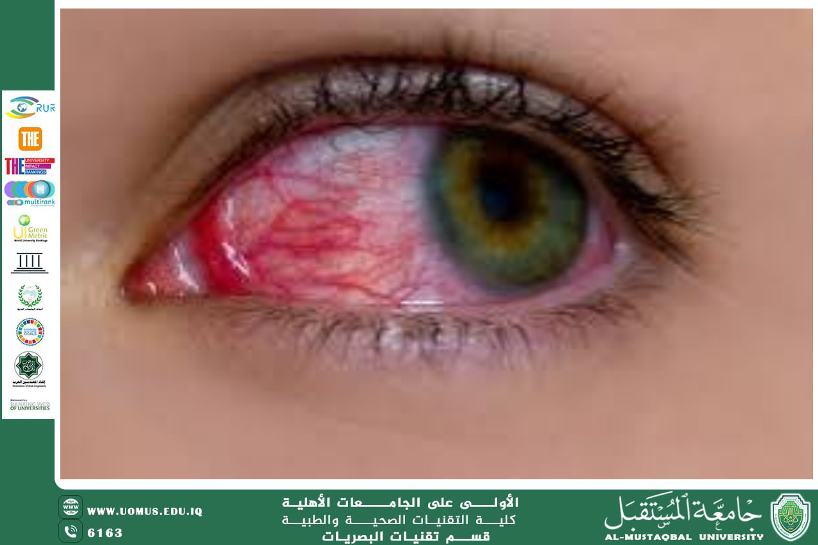
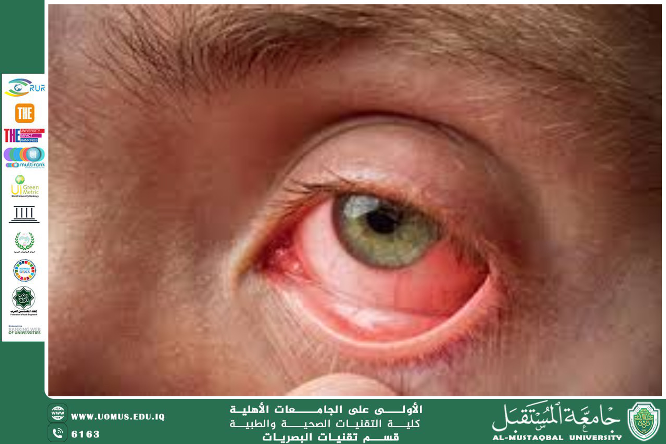
Introduction<br />Lymph nodes are a key component of the human immune system, functioning as biological filters that detect and eliminate pathogens. They also regulate immune responses. When these nodes become inflamed due to viral, parasitic, or autoimmune causes, systemic symptoms may arise—including ocular manifestations. This clinical connection between lymphadenopathy and vision necessitates focused attention from ophthalmologists and eye care professionals.<br />The Role of Lymph Nodes in the Immune System<br />Lymph nodes are small, bean-shaped clusters of lymphoid tissue located along the lymphatic vessels. They filter lymphatic fluid, removing microbes and foreign cells. Inflammatory processes—whether infectious, immune-mediated, or systemic—can trigger ocular symptoms that reflect deeper health concerns.<br />Ocular Symptoms Associated with Lymphadenitis<br />When lymph nodes are inflamed, a range of eye-related symptoms may appear, including:<br />• Conjunctival injection (eye redness)<br />• Persistent tearing<br />• Photophobia (light sensitivity)<br />• Swelling of the upper or lower eyelid<br />Major Underlying Causes<br />1. Viral Infections:<br />o Adenoviral conjunctivitis is a common, highly contagious eye condition that spreads rapidly within households.<br />2. Parasitic Infections:<br />o Toxoplasma gondii, the causative agent of toxoplasmosis, may affect the retina and lead to serious ocular damage.<br />3. Systemic Viral Illnesses:<br />o Diseases such as measles and chickenpox may present with both systemic and ocular symptoms, indicating a broader immune response.<br /><br />Essential Diagnostic Tests<br />In cases involving ocular symptoms alongside lymph node enlargement, the following investigations are recommended:<br />• Complete Blood Count (CBC)<br />• Inflammatory markers: C-reactive protein (CRP) and erythrocyte sedimentation rate (ESR)<br />• Serological tests: IgM and IgG antibodies<br />• Imaging: Ultrasound or CT scan to assess lymph node structure and involvement<br />Red Flags That Require Urgent Attention<br />Immediate medical evaluation is warranted if:<br />• Symptoms worsen despite treatment<br />• Sudden vision loss occurs<br />• Severe eyelid swelling is observed<br />• Neurological symptoms accompany the ocular signs<br />Clinical Recommendations<br />• Obtain a comprehensive medical history<br />• Conduct a thorough physical examination of lymph nodes<br />• Correlate ocular findings with lymphadenopathy<br />• Encourage multidisciplinary collaboration between ophthalmologists, internists, and immunologists<br />Conclusion<br />The interplay between the lymphatic system and ocular structures highlights the complexity of systemic-ocular relationships. The eye is not an isolated organ—it may serve as a window into broader systemic disease. Therefore, early diagnosis, careful monitoring, and interdisciplinary cooperation are essential to ensuring proper patient care and outcomes.<br />