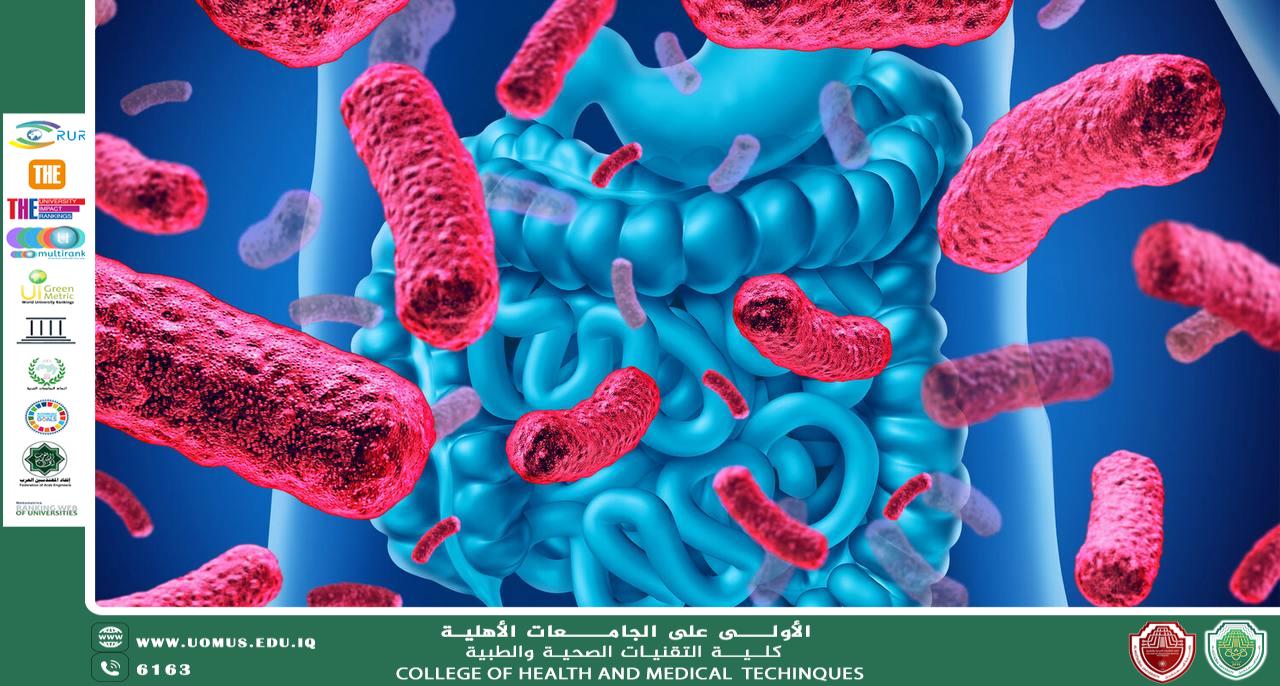
The Role of Bacteria in Public Health
01/09/2025 Share :
1. Introduction<br /><br />Bacteria have long been associated in people’s minds with diseases and infections. However, modern research has shown that not all bacteria are harmful. In fact, many types play an essential role in maintaining human and community health. Bacteria are a natural part of our bodies and the surrounding environment, and they represent a key element in sustaining biological balance.<br /><br />2. Beneficial Bacteria and Their Role in the Human Body<br /><br />The human body hosts what is known as the human microbiome—a diverse community of bacteria, fungi, and other microorganisms. Among the most important roles of beneficial bacteria are:<br /><br />Digestive system: Gut bacteria such as Lactobacillus and Bifidobacterium assist in fiber digestion and produce certain vitamins, including vitamin K and vitamin B12.<br /><br />Immune support: Beneficial bacteria inhibit the growth of pathogenic microbes and strengthen the immune system.<br /><br />Prevention of obesity and chronic diseases: Research has linked gut bacterial diversity with a lower risk of diabetes and obesity.<br /><br />🔹 Practical example: In many Gulf countries, physicians recommend consuming yogurt or fermented milk products because they contain probiotic bacteria that support gut health.<br /><br />3. Harmful Bacteria and Their Impact on Public Health<br /><br />On the other hand, some pathogenic bacteria can cause serious diseases, such as:<br /><br />Escherichia coli and Salmonella, which may lead to food poisoning.<br /><br />Mycobacterium tuberculosis, the causative agent of tuberculosis.<br /><br />Staphylococcus aureus, which can cause skin infections or bloodstream infections.<br /><br />Controlling these bacteria requires:<br /><br />Improving personal hygiene standards.<br /><br />Ensuring safe and treated drinking water.<br /><br />Adhering to vaccination programs.<br /><br />4. Bacteria and Public Health at the Community Level<br /><br />Environmental health: Bacteria help decompose organic waste and recycle nutrients in ecosystems.<br /><br />Pharmaceutical industry: Genetically modified bacteria are used to produce insulin and vaccines.<br /><br />Food security: Bacteria play a role in producing cheese, pickles, and fermented bread, thereby preserving and diversifying food resources.<br /><br />5. Future Challenges<br /><br />Antibiotic resistance: This has become one of the greatest challenges in public health, with resistant strains such as MRSA emerging.<br /><br />Microbiome research: Scientists are exploring the relationship between gut bacteria and mental health, particularly through the “gut–brain axis.”<br /><br />Modern technologies: Bacterial genome sequencing projects (Metagenomics) provide scientists with new opportunities to map their influence on human health.<br /><br />6. Conclusion<br /><br />Bacteria represent a double-edged sword: on one hand, they are essential for maintaining body balance, enhancing immunity, and supporting industry and the environment; on the other, they can become a source of epidemics and diseases if uncontrolled. Therefore, managing the human–bacteria relationship through vaccination, the rational use of antibiotics, and the promotion of a healthy diet remains one of the most important strategies for public health in the 21st century.<br />Mustaqbal University<br />The First University in Iraq