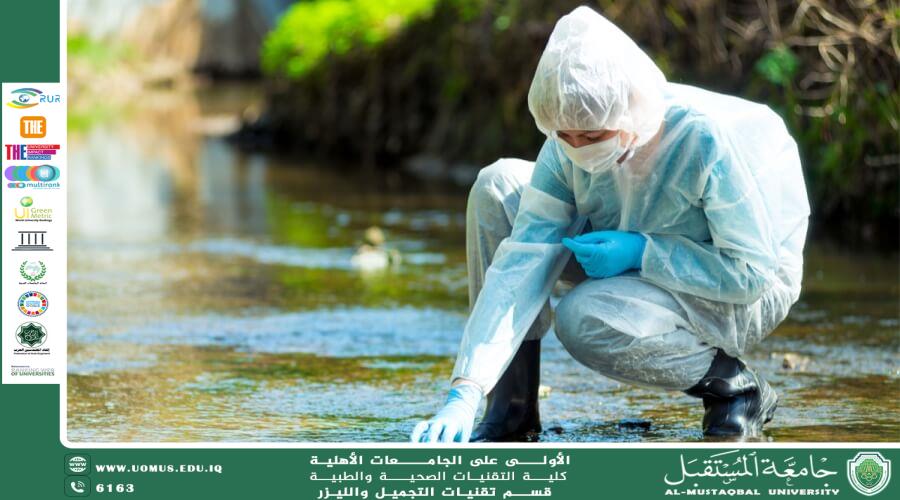
Water Pollution by Pseudomonas Bacteria and Its Impact on Public Health
05/09/2025 Share :
Introduction<br /><br />Water is one of the most essential natural resources that humans depend on for drinking, agriculture, and industry. However, microbial contamination poses a direct threat to public health. Among these microbes, Pseudomonas bacteria stand out as opportunistic pathogens commonly associated with water pollution, causing a variety of health problems.<br /><br />Definition of Pseudomonas Bacteria<br /><br />Pseudomonas are Gram-negative bacteria that belong to the family Pseudomonadaceae.<br /><br />The most common and clinically significant species is Pseudomonas aeruginosa.<br /><br />They are highly adaptable, capable of surviving in moist environments, and resistant to many disinfectants and antibiotics.<br /><br />Sources in Water<br /><br />Pseudomonas bacteria are naturally present in:<br /><br />Soil and surface water (rivers and lakes).<br /><br />Drinking water distribution systems, especially where disinfection is insufficient.<br /><br />Hospital water sources such as sinks and respiratory devices.<br /><br />Poorly maintained water storage tanks.<br /><br />Transmission Through Water<br /><br />Direct consumption of contaminated water.<br /><br />Use of contaminated water in food preparation or utensil cleaning.<br /><br />Exposure to contaminated recreational water (swimming pools, hot tubs).<br /><br />Contaminated water used in medical equipment in hospitals.<br /><br />Health Impacts<br /><br />Pseudomonas aeruginosa is considered an opportunistic pathogen, mainly affecting people with weakened immune systems (such as cancer patients or ICU patients).<br /><br />Diseases caused include:<br /><br />Respiratory tract infections.<br /><br />Urinary tract infections.<br /><br />Wound and burn infections.<br /><br />Septicemia (blood poisoning) in severe cases.<br /><br />It is also a major concern in hospitals due to its resistance to many antibiotics.<br /><br />Detection and Control<br /><br />Laboratory detection: Culturing water samples on selective media followed by biochemical or molecular identification.<br /><br />Control and prevention:<br /><br />Water disinfection using chlorine or ultraviolet (UV) light.<br /><br />Regular maintenance of water distribution systems.<br /><br />Strict hygiene and water monitoring in hospitals.<br /><br />Rational use of antibiotics to reduce resistance development.<br /><br />Conclusion<br /><br />Pseudomonas bacteria represent a clear example of the dangers of microbial water pollution. Their ability to cause severe infections, especially in vulnerable populations, highlights the importance of continuous monitoring of water sources, applying effective disinfection methods, and implementing infection control strategies to ensure water safety and protect public health.<br />Huda Rafid Al-khafaji<br />AL_mustaqbal University is the first university in Iraq