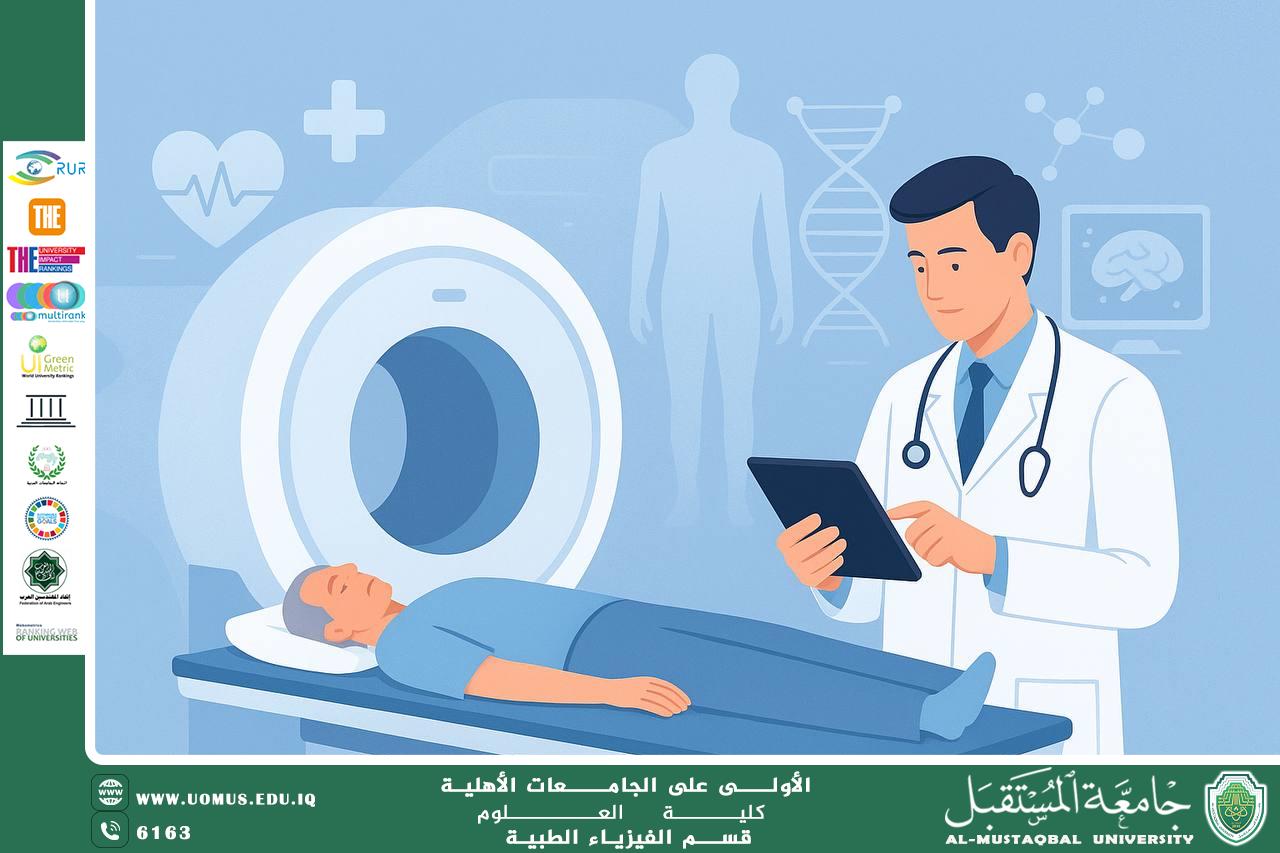
A scientific article by the lecturer (Assistant Professor Samaher Saad) entitled “Improving the quality of life through developing medical diagnostic and treatment techniques.”
06/09/2025 Share :
Introduction<br /><br />Since the dawn of human civilization, health has been a cornerstone for survival and well-being. With scientific and technological progress, the goal has shifted from merely prolonging human life to improving its quality through advanced diagnostic techniques and innovative therapeutic methods. These developments have opened new horizons for modern medicine, enabling early disease detection, increasing recovery rates, and reducing both physical and psychological suffering.<br /><br />Medical Diagnostic Technologies<br /><br />Accurate and early diagnosis is the foundation of effective treatment. Key advancements in this field include:<br /> 1. Advanced Medical Imaging: Techniques such as Magnetic Resonance Imaging (MRI), Computed Tomography (CT), and Ultrasound provide high-resolution images that detect pathological changes at early stages.<br /> 2. Molecular and Genetic Diagnostics: Tools like Polymerase Chain Reaction (PCR) and genome sequencing allow for the identification of genetic mutations and predispositions to chronic diseases such as cancer and cardiovascular disorders.<br /> 3. Artificial Intelligence in Diagnosis: AI algorithms analyze medical images and large datasets with speed and precision beyond human capacity, accelerating diagnosis and minimizing medical errors.<br /><br />Medical Therapeutic Technologies<br /><br />Alongside diagnostics, treatment approaches have become more precise and safer:<br /> 1. Targeted Therapy: Focuses on attacking diseased cells without harming healthy ones, as seen in therapies targeting specific receptors in cancer cells.<br /> 2. Immunotherapy: Harnesses the body’s immune system to combat cancer cells or viral infections, representing one of the most significant medical breakthroughs in recent years.<br /> 3. Gene Therapy: Opens the door to correcting genetic defects and treating previously incurable diseases by modifying DNA.<br /> 4. Personalized Medicine: Designs tailored treatment plans for each patient based on their genetic and biological profile, increasing treatment efficacy and reducing side effects.<br /><br />Impact on Quality of Life<br /><br />The integration of these technologies into healthcare systems has led to:<br /> • Reduced mortality rates through early disease detection.<br /> • Improved treatment efficiency by precisely targeting illnesses.<br /> • Enhanced psychological well-being by reducing the pain and suffering associated with traditional methods.<br /> • Lower long-term costs by decreasing treatment duration and hospitalization periods.<br /><br />Conclusion<br /><br />The advancement of diagnostic and therapeutic technologies is not merely a scientific achievement but a human-centered revolution aimed at realizing comprehensive health and well-being. As technology continues to progress, and with the integration of artificial intelligence and biomedical engineering into medicine, enhancing quality of life will remain a central objective guiding the future of healthcare toward greater hope and humanity.<br /><br /><br /><br /><br />"AL_mustaqbal University is the first university in Iraq"<br/><br/><a href=https://uomus.edu.iq/Default.aspx target=_blank>al-mustaqbal University Website</a>