Anesthesia and chronic diabetes mellituss
04/02/2022 Share :
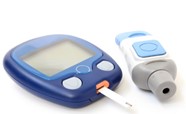
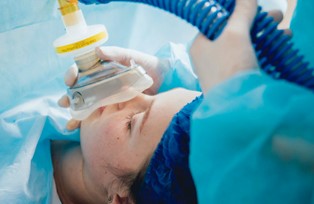
An important task of the anesthetist during anesthesia in patients with diabetes mellitus is to maintain an optimal level of sugar in the blood during the operation. Glycemic parameters are selected individually, but one should not strive for a complete normalization of blood sugar, since hypoglycemic conditions that develop during surgery are more dangerous than hyperglycemia.<br />Modern anesthesia obscures or perverts the clinical symptoms of hypoglycemia. Its important clinical signs from the side of the central nervous system, such as agitation, convulsions, coma, etc., do not appear. . Hypoglycemia during surgery is difficult to differentiate from manifestations of inadequacy of general anesthesia (corresponding reactions in both cases may be similar). The use of large doses of anesthetics or their prolonged administration due to the duration of the operation contributes to a decrease in blood sugar levels during surgery.These drugs weaken the mechanisms that mobilize contrainsular hormones when hypoglycemia occurs, so the action of insulin under anesthesia is longer than in the awake state, and its small overdose provokes hypoglycemia. In this regard, the blood sugar content of diabetic patients during surgery must be determined every 1-2 hours.<br />In general terms, the tactics of the anesthesiologist is as follows.<br />During the operation, it is necessary to continue the administration of glucose with insulin: depending on the severity of diabetes, trauma and duration of surgery, patients should receive 20–60 g of glucose. Insulin is added at the rate of 1 unit per 4 g of glucose administered at a glycemia level of 8.3 to 11 mmol/l and 1 unit per 2 g of glucose at a glycemia level above 11 mmol/l. At the stages of surgical treatment, blood sugar levels should be monitored and corrected by fractional intravenous administration of simple insulin. When the sugar level rises to 10-13.8 mmol / l, the patient should additionally receive 4-10 IU of simple insulin. Considering that the action of insulin under anesthesia is longer than in the awake state of patients, and its small overdose can provoke hypoglycemia, it is desirable to maintain the blood sugar level during surgery in diabetic patients at a slightly elevated level - up to 10 mmol / l.<br />The choice of anesthesia method in patients with diabetes mellitus is determined primarily by the nature of the surgical intervention, concomitant diseases, as well as the effect of drugs used for anesthesia on blood sugar levels.<br />Speaking about the effect of general anesthesia on the insulin-forming function of the pancreas, it should be noted that there is a greater dependence of blood sugar levels on the severity of diabetes and the duration of the operation than on the nature of anesthesia.Inhalation anesthetics (ether, halothane, enflurane) increase the concentration of sugar in the blood. Viadril does not significantly affect the level of insulin in plasma and erythrocytes. Barbiturates increase the content of insulin in cells. Ketamine stimulates pancreatic function, but at the same time increases tissue demand for insulin. Local anesthetics, nitrous oxide, narcotic analgesics, droperidol, seduxen, sodium oxybutyrate have a minimal effect on carbohydrate metabolism. In this regard, at present, in patients with diabetes mellitus, preference is given to various options for total intravenous anesthesia and regional methods.<br />The most important requirement for anesthesia in patients with diabetes mellitus is to achieve its adequacy, since afferent nociceptive impulses from the surgical intervention zone cause a violation of endocrine homeostasis, fluctuations in the level of insulin in the blood. Considering that the pathophysiological basis of diabetes mellitus is neoglucogenesis, which is uncompensated due to a lack of insulin, in combination with inhibition of peripheral glucose utilization, and an increase in the level of catecholamines and adrenal steroids as a result of the formation of a post-aggressive reaction during surgical interventions changes carbohydrate metabolism in the same direction, the danger of serious disorders becomes clear. this type of metabolism, and especially severe hyperglycemia. Therefore, maintaining the optimal level of sugar in the blood during the operation is possible only through adequate protection from the stressful effects of surgical trauma, the correct choice of anesthesia technique.<br />In short-term, low-traumatic out-of-cavity operations, local anesthesia is successfully used. If necessary, especially in emotionally labile patients, it can be potentiated by neuroleptanalgesia. In operations on the lower extremities and pelvic organs, epidural and spinal anesthesia are widely used. When conducting them, one should not forget about the great predisposition of patients with diabetes mellitus to infectious complications, therefore, puncture and catheterization of the corresponding spaces should be carried out under conditions of exceptional sterility.<br />Patients with diabetes mellitus do not tolerate hypotension well, therefore, during surgery, one should strive to achieve stable hemodynamics. This is mainly due to the compensation of surgical blood loss and the correction of violations of water and electrolyte metabolism. The use of vasoactive substances (vasopressors and sympathomimetics) in diabetic patients is dangerous due to the presence of concomitant microangiopathy. The vasoconstrictive effect of these drugs exacerbates microcirculatory disorders and worsens the blood supply to the internal organs, as well as nerves, which increases neuropathy.<br />For long-term traumatic, intracavitary operations, the performance of which requires muscle relaxation and a special operating position, multicomponent balanced anesthesia with controlled breathing is used.Infusion therapy during surgery, in addition to transfusion of glucosed solutions, includes compensation for surgical blood loss, correction of water and electrolyte disorders. It should be remembered that colloidal plasma substitutes - derivatives of dextrans (polyglucin, polyfer, reopoliglyukin), used to compensate for surgical blood loss, are broken down to glucose. Their transfusion in large volumes can provoke severe hyperglycemia in patients with diabetes mellitus. It is undesirable to use Hartmann's solution or solutions such as Ringer's lactate, since glucose is synthesized in the liver from the lactate contained in them, which can lead to hyperglycemia. Preference should be given to gelatin derivatives.<br /><br />Msc .Sura Hasan Hasnawi <br />[email protected]<br />