The Role of Genes in Determining Human Traits
15/09/2025 Share :
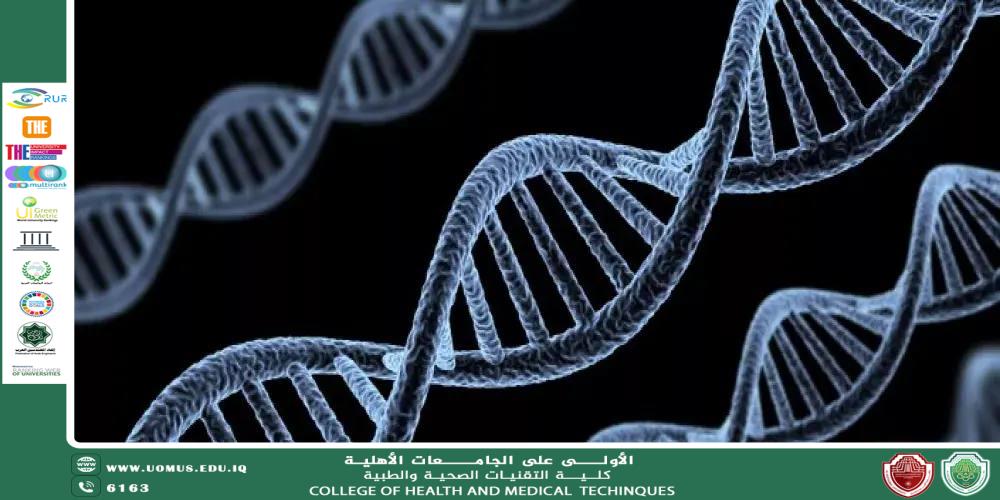
Genes as the Fundamental Units of Hereditary Information <br />Genes represent the basic units of genetic information within the human body. They are segments of DNA that carry the instructions for building proteins, which in turn regulate the development of physical and biological traits.<br />1. How Do Genes Work?<br />• The human body contains approximately 20,000–25,000 genes distributed within the nucleus of every cell.<br />• These genes function as an “instruction manual” that determines various traits such as eye color, blood type, height, and even susceptibility to certain diseases.<br />• Example: If the gene responsible for eye color carries one version inherited from the father (brown) and another from the mother (blue), the expressed color depends on the dominant gene.<br />2. Observable Genetic Traits<br />There are evident traits determined directly by genes, such as:<br />• Skin color.<br />• Hair type (curly or straight).<br />• Height and body structure.<br />• Certain physical capabilities, such as metabolic rate or response to exercise.<br />Environmental Example: In some Gulf families, tall stature or shared facial features are commonly observed due to inherited genetic influence.<br />3. Health-Related Traits<br />Genes do not only shape outward appearance; they play a vital role in health, including:<br />• Predisposition to diabetes or hypertension.<br />• The body’s response to certain medications.<br />• Immune system strength.<br />This explains why certain diseases are more prevalent within specific families, a phenomenon known as genetic predisposition.<br />4. Interaction Between Genes and the Environment<br />It is important to recognize that genes are not the sole determinants of traits; they are significantly influenced by environmental factors and lifestyle:<br />• For instance, a person may inherit genes predisposing them to weight gain, but exercise and a healthy diet can help manage it.<br />• Similarly, intelligence is not solely determined by genes, but is shaped by education and life experiences.<br />5. The Future of Genetics<br />The field of genetics and genetic engineering is advancing rapidly, opening wide horizons such as:<br />• The ability to detect diseases before symptoms appear.<br />• Designing personalized medicines based on an individual’s genetic profile.<br />• Developing gene therapy techniques to correct inherited disorders.<br />________________________________________<br />Recent studies have shown that genes are carried on chromosomes within the cell nucleus, with an estimated 20,000–25,000 genes in the human genome. They operate through a precise mechanism known as gene expression, in which information is transcribed from DNA to RNA and then translated into proteins responsible for biological structures and physiological functions.<br />The Human Genome Project demonstrated that human traits are rarely determined by single genes alone; rather, they arise from complex networks of multiple gene interactions (polygenic traits) in addition to epigenetic modifications that regulate gene activity without altering the DNA sequence.<br />Population genetics research further indicates that environmental factors (such as nutrition, physical activity, and external conditions) interact with the genetic basis, explaining the significant differences even among members of the same family. For example, the genetic predisposition to type 2 diabetes may be either activated or suppressed depending on lifestyle.<br />Thus, human traits can be described as the outcome of a complex interplay between genes, epigenetic modifications, and the environment. With the advancement of genomic sequencing and gene therapy, genetics offers promising horizons in personalized medicine and disease prevention.<br />https://www.un.org/sustainabledevelopment/ar/health/<br />Mustaqbal University <br />The First University in Iraq<br />