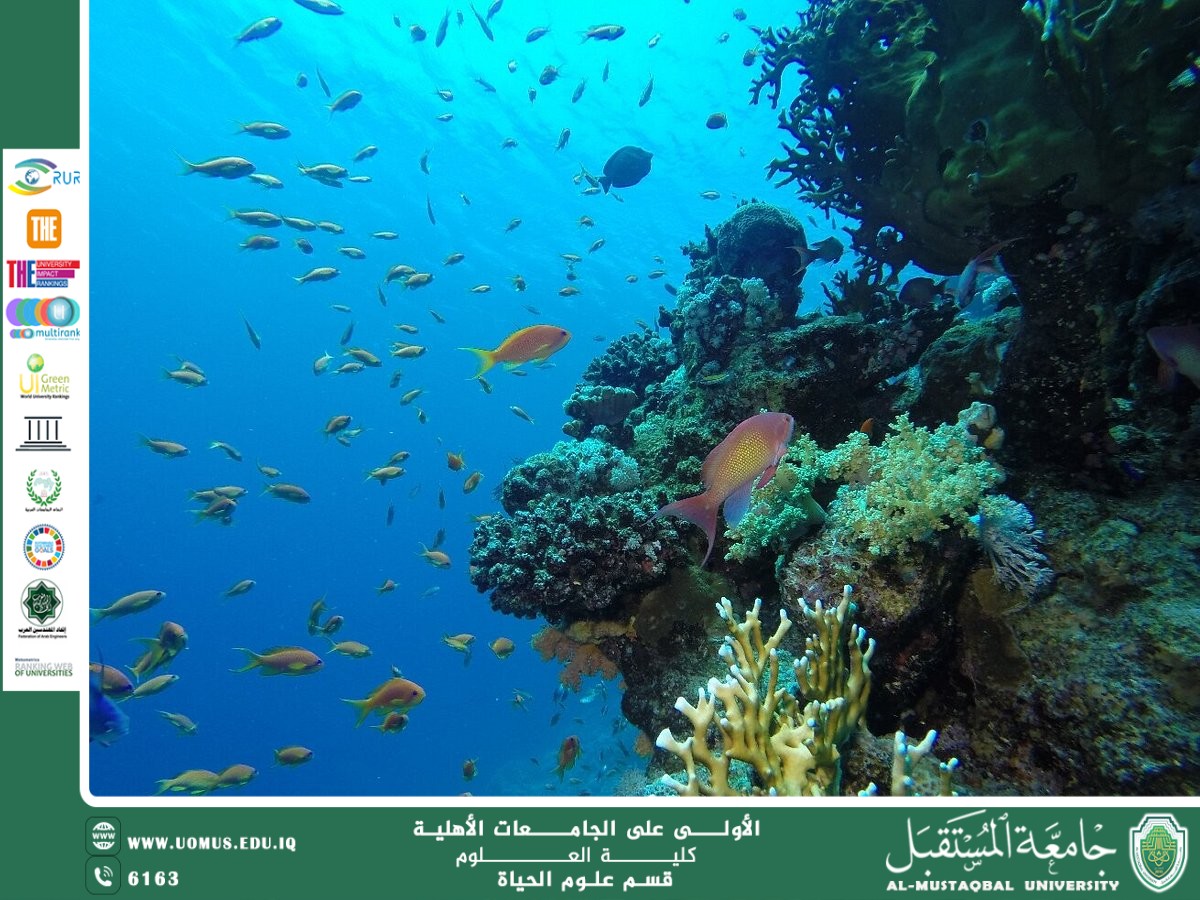
A scientific article by Ms Noor al-huda Azmi Entitled " Marine ecosystems"
18/09/2025 Share :
Marine ecosystems are among the most important pillars of the Earth's ecological balance. Oceans and seas cover more than 70% of the planet's surface and harbor a vast diversity of living organisms, many of which are yet to be identified. Despite this natural richness, life in the deep seas and oceans faces increasing threats due to accelerating human activities, requiring concerted efforts to protect and ensure their sustainability.<br /><br />The marine environment encompasses a wide range of biodiversity, ranging from microscopic organisms such as plankton and algae to giant creatures such as whales. It also contains coral reefs, fish, and mollusks, all of which play vital roles in providing food for humans and in balancing the global climate. Oceans absorb significant amounts of carbon dioxide and produce more than half of the oxygen in the atmosphere. They also play an important economic role in the fishing and tourism sectors.<br /><br />Despite this significant value, ongoing violations such as unregulated fishing, plastic pollution, oil spills, and climate change threaten the sustainability of this marine life. The consequences of these threats are evident in the degradation of coral reefs, the decline of some species, and the pollution of coastal waters, which portend dire consequences if decisive action is not taken.<br /><br />The United Nations Sustainable Development Goals (SDGs) have emphasized the importance of protecting marine life, with SDG 14 dedicated to conserving and sustainably using marine resources. This goal includes practical steps such as reducing marine pollution, curbing overfishing, and establishing marine reserves to protect threatened species.<br /><br />The responsibility for preserving marine life falls not only on countries and governments, but also extends to individuals and institutions. Reducing the use of plastics, supporting sustainable seafood products, and participating in environmental campaigns are all practices that contribute to protecting these resources. Educational institutions such as schools and universities are also important platforms for spreading environmental awareness through research activities, awareness campaigns, and student projects related to the marine environment.<br /><br />Ultimately, underwater life is not merely an aesthetic feature or an isolated ecosystem; it is an essential part of the cycle of life on Earth, and its protection is an ethical and environmental imperative. Every positive step taken in this direction brings us closer to a sustainable environmental future that benefits both humans and nature.<br /><br /><br />Al-Mustaqbal University is the first university in Iraq.<br/><br/><a href=https://www.un.org/sustainabledevelopment/oceans/ target=_blank>Goal 14 - life Below water</a>