
Anesthesia in children
09/02/2022 Share :
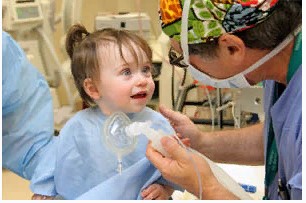
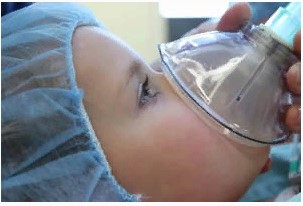
Features of anesthesia in children<br />Pediatric anesthesiology is a separate branch of anesthesia science. Approaches to the implementation of anesthesia for a child are generally similar to those in adult patients, but at the same time there are very significant differences in certain issues. Considering that specialization in anesthesiology implies the ability of a doctor to provide anesthesia to a patient of any age, we believe that this article may be useful for doctors who mainly work with adult patients, but occasionally meet children in their practice.<br /> <br />Anatomical and physiological features strongly depend on the age of the child, and the older the child, the less these features become. A special group is made up of newborns and children under the age of one year, since this category of patients has a lot of nuances. It should be understood that a child is not an adult of miniature size and weight, so one should not be limited only to adjusting the doses of drugs used for pain relief. Each age of the child has its own specific features, detailed information about which is available in the pediatric literature.<br />Preoperative examination of the child must necessarily include the collection of anamnesis, including information about heredity and possible congenital pathology, as well as a history of the growth and development of the child. It is necessary to discuss in detail with the parents the choice of anesthesia, explain all the features, inform about possible complications and obtain written consent for anesthesia. If necessary, an additional examination and consultations of specialists are prescribed. Assess the condition of the respiratory tract. Evaluate the peripheral venous network for the possibility of catheterization of peripheral veins. Planned operations are postponed if the child has recently had a respiratory viral infection, has an exacerbation of chronic respiratory pathology or other pathology. Parents should be given clear advice regarding the period of fasting before anesthesia, in accordance with the age of the child.<br />Necessary monitoring during anesthesia in children includes non-invasive blood pressure measurement, pulse oximetry, EC monitoring, gas monitoring, body temperature monitoring. If necessary, advanced hemodynamic and other monitoring can be added to this.<br />General anesthesia in children usually includes mask and laryngeal mask anesthesia, as well as general endotracheal anesthesia. In elective pediatric anesthesiology for short-term interventions, mask anesthesia with inhalation anesthetics (sevoflurane) with the preservation of spontaneous breathing is widespread. Laryngeal-mask anesthesia is performed with longer operations. For prolonged interventions requiring the use of muscle relaxation, general endotracheal anesthesia with tracheal intubation and mechanical ventilation is used. When performing emergency operations on children, given the danger of a full stomach and aspiration complications, general endotracheal anesthesia is also used.<br /> <br />In some situations, general intravenous anesthesia can be used in children, when intravenous anesthetics are administered through a venous access directly into the bloodstream, while upper airway control and respiratory support are mandatory.<br /><br />After the operation, the child wakes up on the operating table, or, if necessary, is transferred to the intensive care unit for prolonged mechanical ventilation in the postoperative period. If the child wakes up on the table and does not require transfer to the intensive care unit, then after anesthesia is completed, he is transferred to the awakening ward, where he stays under the supervision of an anesthesiologist and nurse anesthetist until recovery from anesthesia.<br /><br />Msc .Sura Hasan Hasnawi