Scientific Article by Ms. Shahad Nawras Abbas Title: The Effect of Drugs on the Skin
05/10/2025 Share :
The Effect of Drugs on the Skin
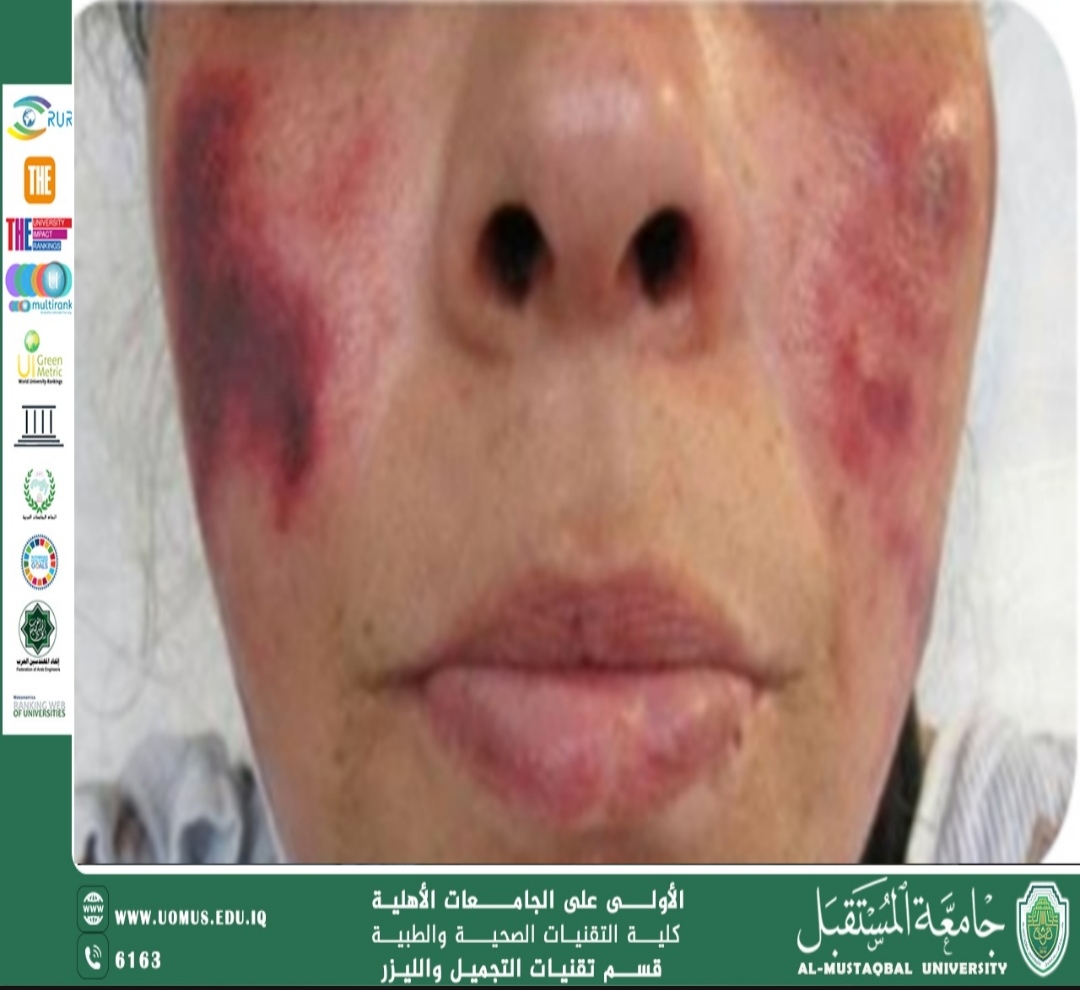
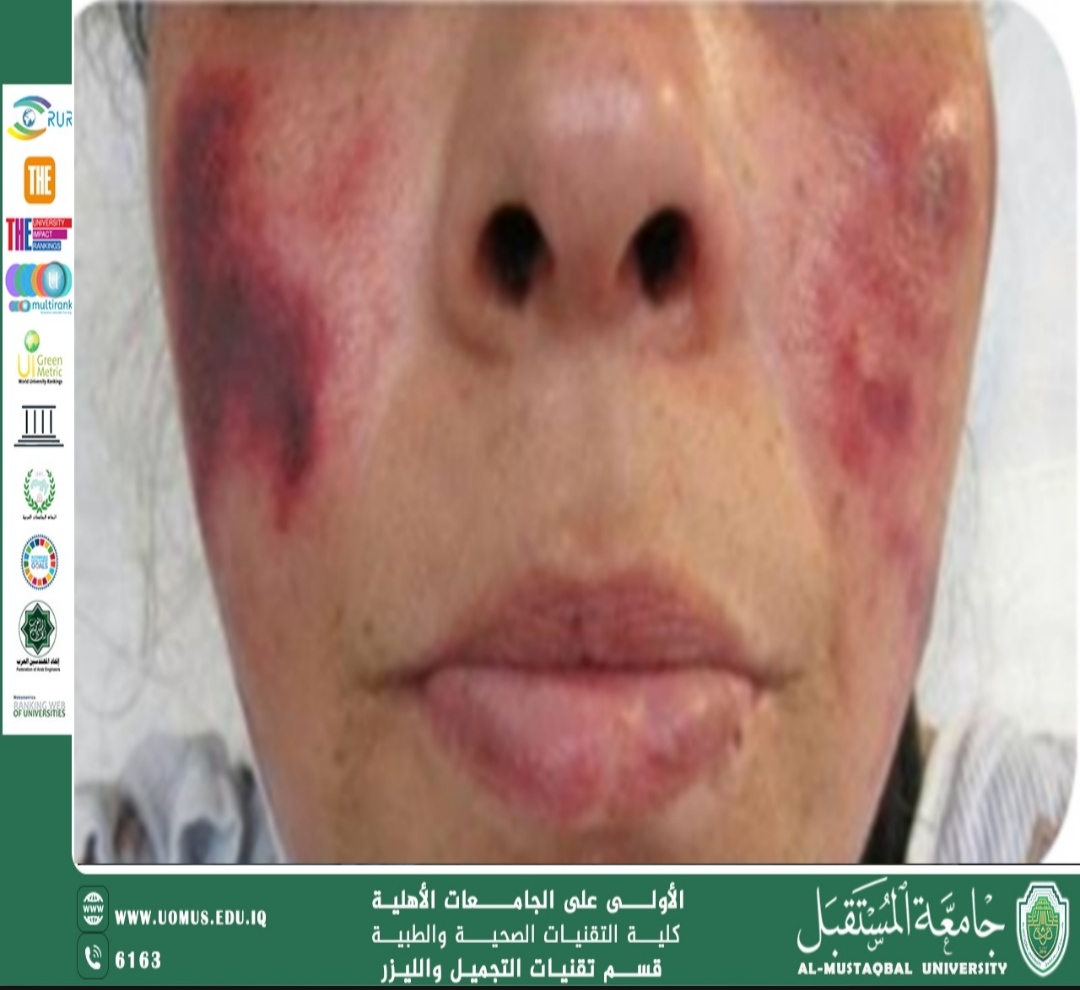
Drugs are among the most dangerous substances that harm the human body in many ways. Their destructive impact is not limited to the nervous system but also extends to all body organs — including the skin, which reflects a person’s internal health.
1. Dryness and Skin Discoloration
Drug abuse disrupts blood circulation and reduces the skin’s supply of oxygen and nutrients, leading to dryness, paleness, and premature wrinkles. Some drugs, such as cocaine and heroin, can cause the skin to turn grayish or yellowish due to damaged blood vessels.
2. Acne and Skin Inflammation
Drugs can cause hormonal and immune imbalances, increasing oil production and leading to acne, pimples, and skin infections—especially on the face and back. Many drug users also suffer from boils and small wounds that heal very slowly.
3. Ulcers and Scars
People who inject drugs often develop ulcers and permanent scars at injection sites due to repeated inflammation and infection. In chronic addiction, deep skin ulcers may appear as a result of weak immunity and poor nutrition.
4. Hair Loss and Weak Nails
Drug use leads to a deficiency of vitamins and minerals essential for healthy hair and nails. As a result, addicts experience hair loss, brittle nails, and dull coloration, which indicate overall poor health.
5. Premature Aging
Because of lack of sleep, dehydration, and malnutrition, addicts show signs of premature aging, such as dark circles, fine lines, and sagging skin. This makes them appear much older than their actual age.
---
Conclusion
The effects of drugs go far beyond the mind and body—they are clearly visible on the skin, revealing the extent of internal damage. Staying away from drugs and seeking medical help when needed are essential steps to protect one’s health,
appearance, and life
Al-Mustaqbal University – The first University in Iraq