
The Engineering Department's hackathon for biomedical engineering has launched under the theme "The Future of Healthcare Engineering." الوصف بالعربي الوصف بالانكليزي تاريخ النشر الصنف اللغة الصورة الملفات المسموح بها: JPG, PNG | الحد الأعلى 500 كيلوبايت
13/10/2025 Share :
تاريخ النشر
الصنف
اللغة
الصورة
الملفات المسموح بها: JPG, PNG | الحد الأعلى 500 كيلوبايت | يجب أن تكون الصورة مربعة أو أفقية
الصور الإضافية (حتى 3) — مطلوبة صورة واحدة على الأقل
صورة 1
JPG/PNG ≤ 500KB
إزالة
صورة 2
JPG/PNG ≤ 500KB
إزالة
صورة 3
JPG/PNG ≤ 500KB
إزالة
إضافة مرفق
إضافةإلغاء
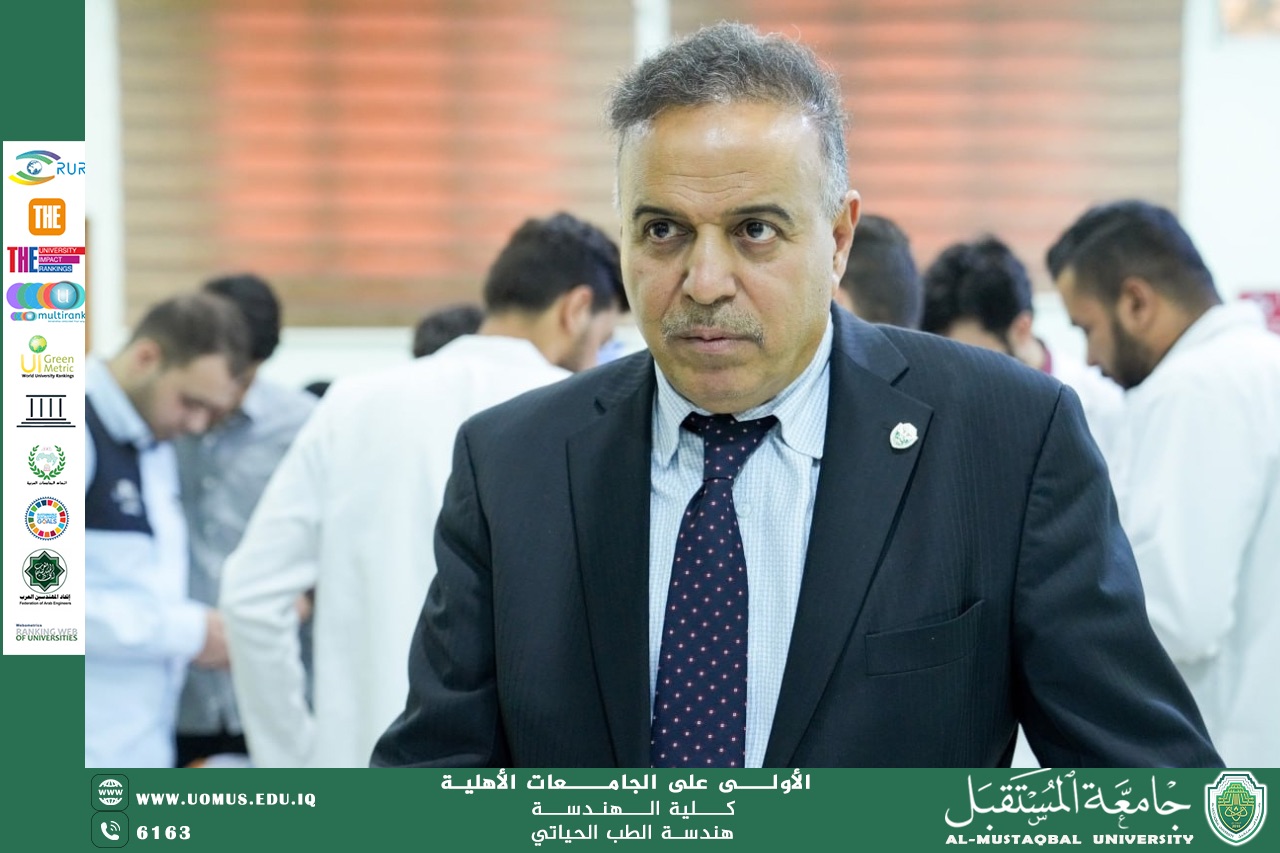
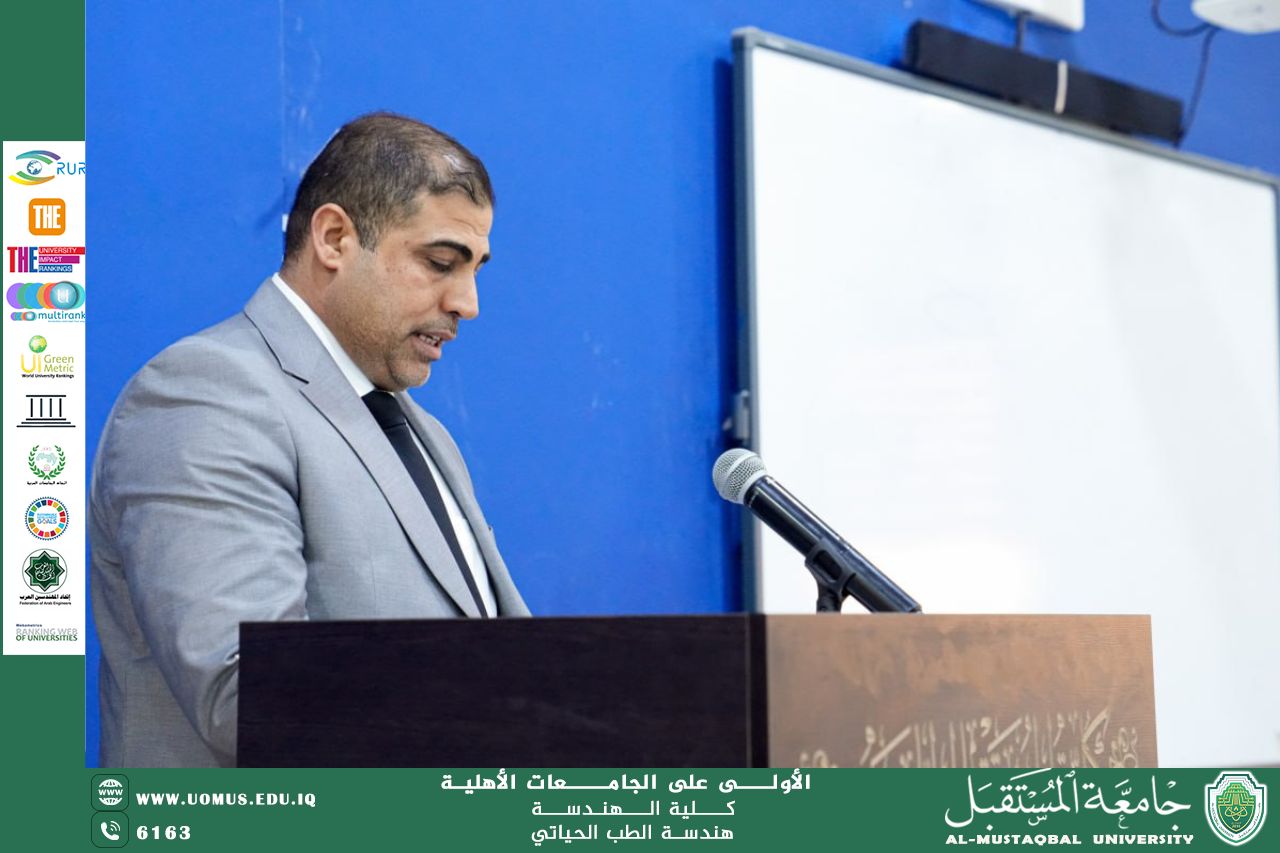
The opening ceremony was held under the patronage and in the presence of the Dean of the College of Engineering, Dr. Ali Shaker Majdi, along with the Head of the Biomedical Engineering Department, Dr. Ibrahim Abdullah Mardas, and several faculty members and members of the judging committees. In his opening remarks, the Dean praised the pivotal role of such events in honing students' talents and bridging the gap between academic knowledge and practical applications. He emphasized the university's full support for innovation initiatives that serve the Sustainable Development Goals, particularly:
Goal 3: Good Health and Well-being
Goal 9: Industry, Innovation and Infrastructure
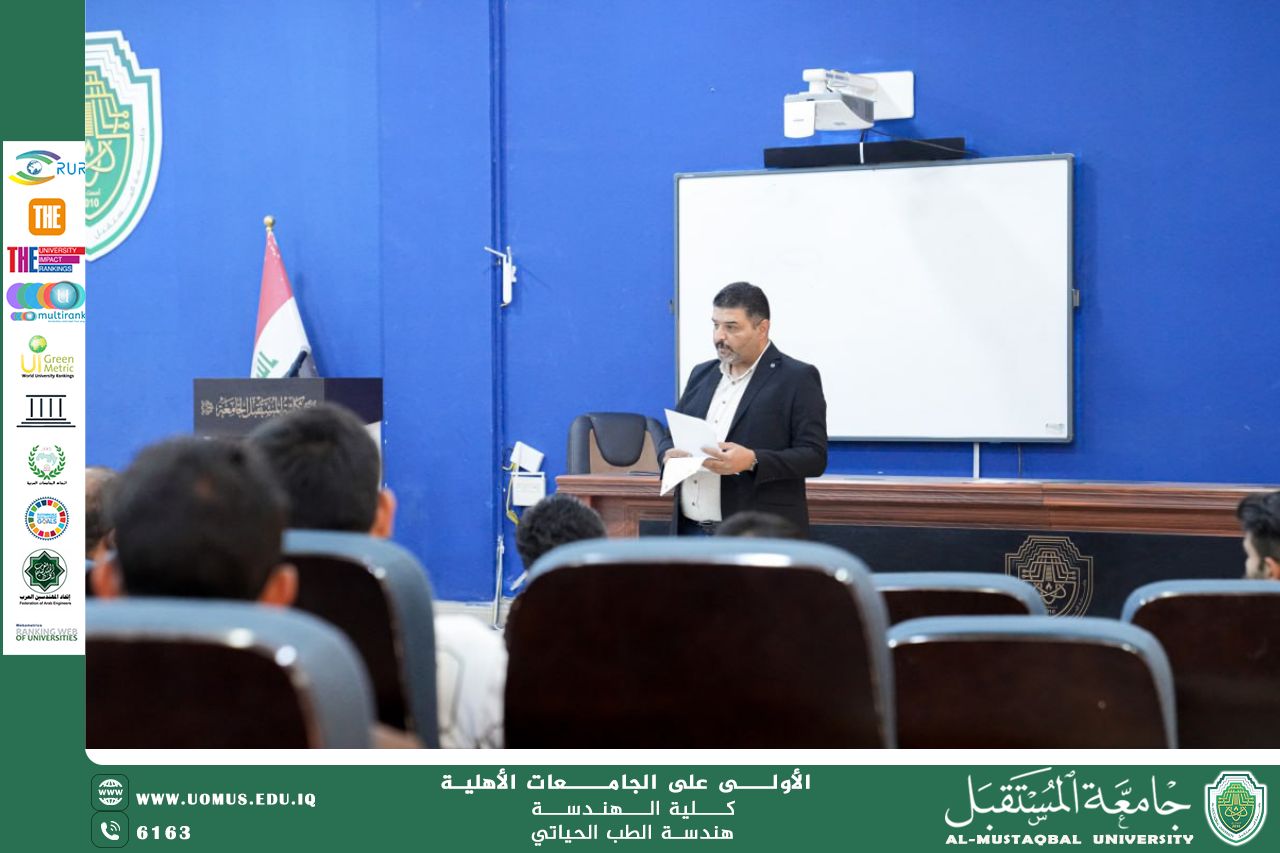
The event's official slogan, "Together Towards Leadership and Innovation," was put into practice, with the labs witnessing significant engagement from participating students across all academic levels within the Biomedical Engineering Department throughout the hackathon. Participating teams focused on designing and developing prototypes offering innovative biomedical engineering solutions, ranging from simple diagnostic devices to telemedicine systems and smart applications to support physicians and patients.
At the conclusion of the hackathon, under the supervision of a judging panel comprised of:
1. Prof. Dr. Ibrahim Abdullah Mardas
2. Dr. Hussam Jawad Kadhim
3. Mr. Maher Rahman Abdul-Amir
the projects were evaluated based on rigorous criteria including originality and innovation, practical feasibility and impact, and engineering precision. The event culminated in the announcement of the winning teams, with certificates of appreciation and prizes awarded to the winners in recognition of their exceptional efforts and promising innovations.
The hackathon represented a significant step forward in fostering a culture of innovation among students and creating a stimulating competitive environment, reaffirming the university's leading role in shaping the future of healthcare through innovative biomedical engineering