Cloud Computing: Principles, Applications, and Challenges in the Digital Age
13/11/2025 Share :
Over the past two decades, the world has witnessed an unprecedented digital revolution, with cloud computing emerging as one of its fundamental pillars. This technology has enabled organizations to reduce server operation costs and achieve high flexibility in managing computing resources.
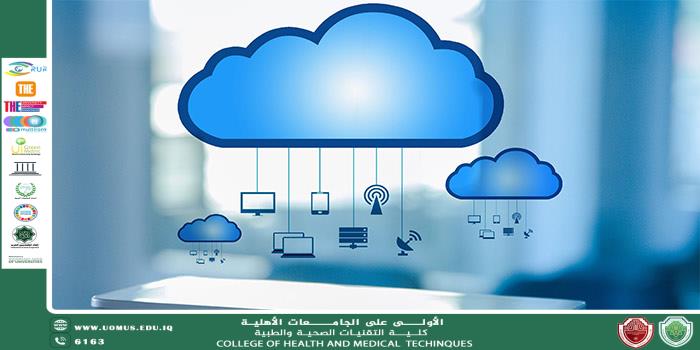
The core concept of cloud computing lies in transferring data processing and storage from local devices to centralized servers connected to the Internet, allowing users to access data and services anytime and anywhere.
According to Gartner (2024), global spending on cloud computing services is expected to exceed USD 700 billion by 2025, underscoring the pivotal role of this technology as a cornerstone of the global digital economy.
Concept of Cloud Computing
Cloud computing refers to the use of computing resources—such as servers, databases, storage, networks, and software—over the Internet rather than owning and managing them locally.
Cloud services are typically offered through three main models:
1. Infrastructure as a Service (IaaS):
Provides users with fundamental resources such as virtual servers and storage, e.g., Amazon EC2 and Microsoft Azure VM.
2. Platform as a Service (PaaS):
Enables developers to build, test, and deploy applications without the burden of managing underlying infrastructure.
3. Software as a Service (SaaS):
Allows users to access and use applications directly via the Internet, such as Google Workspace.
Advantages of Cloud Computing
• Cost Reduction: Eliminates the need to purchase and maintain physical servers.
• Flexibility and Scalability: Resources can be increased or decreased as required.
• Reliability: Major cloud providers offer uptime guarantees exceeding 99.9%.
• Global Accessibility: Data and applications can be accessed from any location.
Applications of Cloud Computing
Cloud computing is utilized across diverse domains, including:
• E-Learning: Hosting educational platforms such as Moodle and Google Classroom.
• Business Management: Operating financial and sales systems via solutions like Salesforce.
• Big Data Analytics: Employing advanced tools for efficient data analysis.
• Artificial Intelligence: Running large-scale AI model training through cloud-based AI services.
Technical and Security Challenges
Despite its numerous advantages, cloud computing faces several challenges:
• Data Security and Privacy: Risk of breaches involving data stored on cloud servers.
• Dependence on Service Providers: Vulnerability to outages or network failures.
• Regulatory Compliance: Issues related to data storage locations and jurisdiction.
• System Integration: Difficulty in integrating legacy systems with modern cloud platforms.
Organizations address these challenges by implementing advanced encryption techniques, distributing data across multiple data centers, and adhering to international security standards.
Future Trends
Cloud computing is expected to increasingly integrate with emerging technologies such as:
• Artificial Intelligence Cloud (AI Cloud): Enhancing resource management and automated optimization.
• Edge Computing: Reducing latency by processing data closer to its source.
• Blockchain Cloud: Providing greater security and transparency in data exchange.
Cloud computing has become an indispensable component of modern technological infrastructure and a key driver of digital transformation across all sectors. Despite ongoing security and technical challenges, continuous advancements in this field promise a more efficient and flexible future for digital resource utilization.
References
1. Armbrust, M., Fox, A., Griffith, R., Joseph, A. D., et al. (2010). A View of Cloud Computing. Communications of the ACM, 53(4), 50–58.
2. Mell, P., & Grance, T. (2011). The NIST Definition of Cloud Computing. National Institute of Standards and Technology (NIST).
3. Gartner (2024). Forecast: Public Cloud Services Worldwide, 2022–2025. Retrieved from www.gartner.com
4. Marinos, A., & Briscoe, G. (2009). Community Cloud Computing. IEEE Conference on Cloud Computing, 472–484.
5. Buyya, R., Vecchiola, C., & Selvi, S. T. (2013). Mastering Cloud Computing: Foundations and Applications Programming. Morgan Kaufmann.
Al-Mustaqbal University
The First University in Iraq