
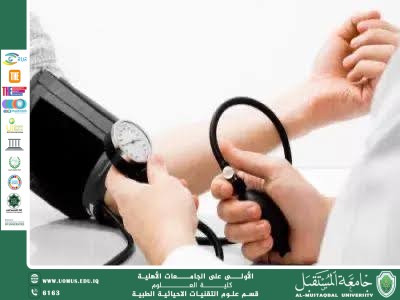
A Scientific Article by Dr. Hussein Mahdi Abd Entitled “Sleep and Its Relationship to Blood Pressure”
18/11/2025 Share :
What Happens to Blood Pressure When Sleep Is Insufficient?
Good sleep helps regulate blood pressure.
How Sleep Affects Blood Pressure:
Sleep is not just rest for the body; it is a vital function that restores internal balance, including detoxification, tissue repair, and boosting the immune system.
During sleep, blood pressure gradually decreases in a process known as nocturnal dipping, which is essential for protecting the heart and blood vessels.
When a person does not get enough sleep or experiences interrupted sleep, this nocturnal dip is disrupted, increasing the strain on the heart and raising the long-term risk of hypertension, heart attacks, and strokes.
Two Main Reasons Why Lack of Sleep Affects Blood Pressure:
Disruption of the biological clock reduces the production of melatonin, the hormone responsible for relaxation. Low melatonin weakens the dilation of blood vessels, causing blood pressure to rise.
Hormonal imbalance increases cortisol secretion, the stress hormone responsible for the fight-or-flight response, which causes blood vessels to constrict and blood pressure to rise.
According to a 2023 study conducted on more than 66,000 individuals, those who slept less than six hours per day were 10% more likely to develop high blood pressure, while the risk increased to 28% among people suffering from insomnia or sleep difficulties.
Sleep Disorders Associated with High Blood Pressure:
Insomnia and sleeping less than six hours increase hypertension risk.
Sleep apnea triggers stress hormones that raise blood pressure.
Restless leg syndrome causes repeated activity of the sympathetic nervous system, leading to elevated blood pressure.
Other Factors That Cause High Blood Pressure:
Obesity
Aging
Diets high in sodium and low in potassium
Lack of physical activity
Smoking
Excessive alcohol consumption
Fruits That Help Lower Blood Pressure:
Kiwi:
Studies confirm that eating three kiwis daily helps reduce high blood pressure due to their vitamin C, antioxidants, anti-inflammatory compounds, polyphenols, and carotenoids that support heart and vascular health.
Bananas:
Bananas are among the best fruits for lowering blood pressure because they contain high levels of potassium, which reduces sodium levels in the body and relaxes blood vessel walls.
Watermelon:
Watermelon is rich in fluids and essential amino acids that help the body produce nitric oxide, which relaxes the muscles around blood vessels, reducing blood pressure.
Citrus Fruits:
Rich in vitamins—especially vitamin C—citrus fruits act as strong antioxidants that detoxify the body and improve the elasticity of blood vessels, helping lower high blood pressure.
Apples:
Apples contain flavonoids and fibers that reduce inflammation, lower cholesterol, and help regulate blood pressure.
Berries:
Berries contain anthocyanins, the pigment responsible for their color. This compound increases nitric oxide levels, helping relax blood vessels and reduce blood pressure.
Pomegranate:
Pomegranate is one of the most effective fruits for lowering blood pressure and cholesterol due to its strong antioxidants and anti-inflammatory properties.
Strawberries:
Strawberries contain flavonoid antioxidants that help soften blood vessel walls, allowing them to dilate and consequently lower blood pressure.
Grapes:
Grapes contain essential vitamins and minerals, and their natural glucose supports balanced blood sugar and blood pressure levels.
Peaches and Plums:
Peaches and plums contain high levels of potassium, which balances sodium and water levels, helping regulate blood pressure effectively.
Red Beetroot:
Beetroot contains nitrates that convert into nitric oxide in the body, improving blood flow and lowering high blood pressure. It is also rich in potassium, which helps relax and widen blood vessels.
Avocado:
Avocado contains potassium that relaxes blood vessel muscles, allowing them to widen and lowering high blood pressure. It can be eaten fresh or blended into juices or salads.
Tips and Guidelines to Avoid High Blood Pressure:
Eat at least one blood-pressure-lowering fruit daily.
Do some physical exercise every day.
Maintain a healthy body weight and avoid excessive weight gain.
Avoid smoking and alcohol consumption.
Limit foods high in sodium, such as processed and packaged foods.
Reduce stress and prioritize relaxation and rest.
Al-Mustaqbal University — the first university in Iraq.