An article by (MSc Ata'a Khalil Hussein) entitled (CROHN'S DISEASE (CD))
14/02/2022 Share :
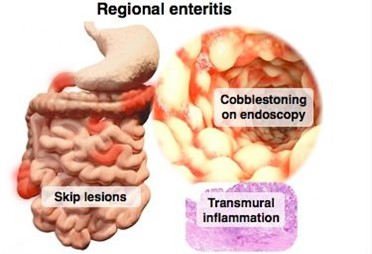
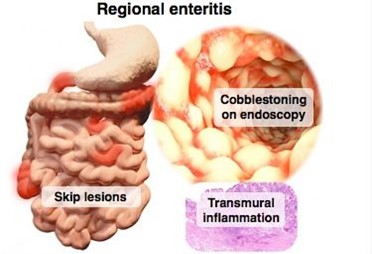
Inflammatory bowel diseases are mainly divided into ulcerative colitis (UC) and Crohn’s disease (CD). IBD results from the interaction between genetic and environmental factors which influence the immune responses. A number of factors can be attributed to the prevalence of CD, some of which include geographical location, inappropriate diet, genetics, and inappropriate immune response.<br />Crohn’s disease is characterized by the involvement of the gastrointestinal tract from mouth to anus, with a transmural pattern of inflammation of gastrointestinal wall layers. CD is one of the IBDs that occur in patients between ages 15-35 years. Unlike other inflammatory diseases, IBDs could not be suppressed easily, the immune system is stimulated, and part of the intestine is destroyed. CD can also occur in parts of the digestive tract including the large intestine, stomach, esophagus, or even mouth. It causes pain, diarrhea, fever, and other symptoms.<br />CD affects the mouth, anus, and the entire layers of the intestine. Ulcerative colitis affects the mucosal layer of the colon. The symptoms are mild to severe and may threaten life. Malnutrition is very common in CD because the small intestine is responsible for the absorption of nutrients, and CD damages the small intestine. <br /><br />By MSc Ata'a Khalil Hussein