"A scientific article by Ms. Noor El-Huda Azmi Hassan entitled "Marine Microbes and Their Role in the Sustainability of the Aquatic Ecosystem
20/11/2025 Share :
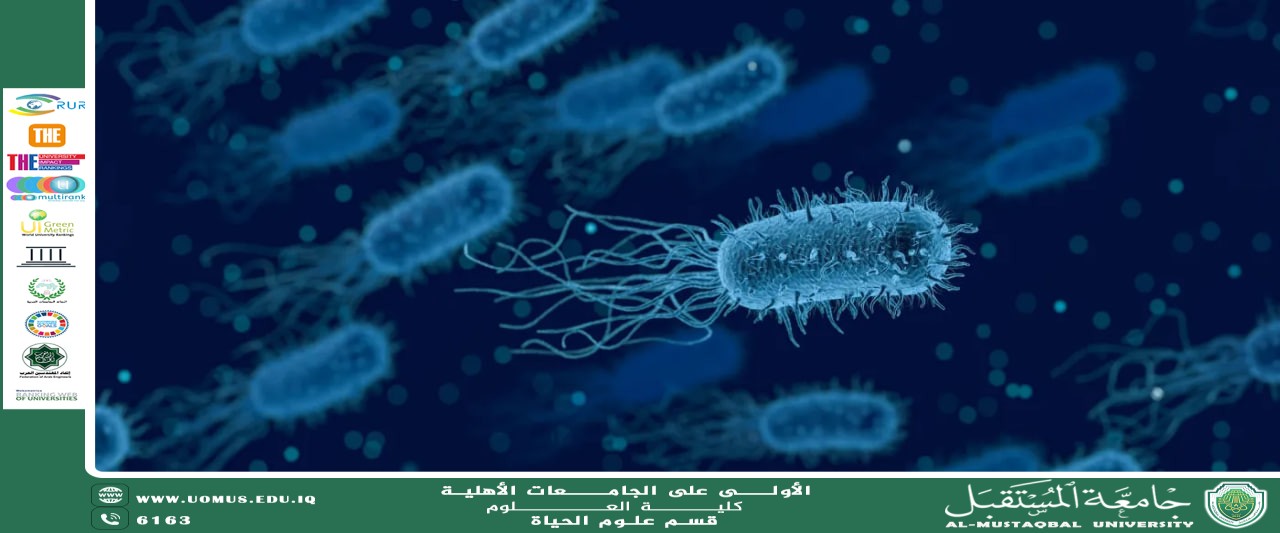
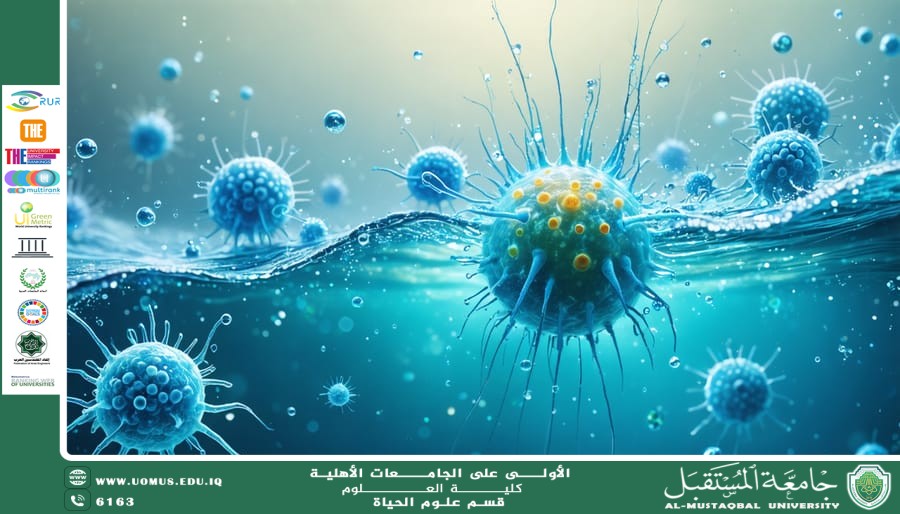
Marine microbes are among the smallest living organisms in oceans and seas, yet they play a pivotal role in maintaining the sustainability of aquatic ecosystems. These microbes include bacteria, fungi, microscopic algae, and marine viruses, and they are responsible for vital environmental processes that affect both marine life and humans.
Importance of Marine Microbes
Nutrient Recycling:
Marine microbes break down organic matter and convert it into nutrients usable by other organisms, such as nitrogen, phosphorus, and carbon.
Oxygen Production:
Microscopic algae and cyanobacteria produce a significant portion of the Earth’s oxygen, supporting the gaseous balance in both the atmosphere and water.
Pollutant Decomposition:
Certain marine microbes can degrade organic pollutants and heavy metals, reducing the harmful impact of pollution on marine and human life.
Formation of the Marine Food Chain:
Marine microbes serve as the primary food source for tiny marine organisms like zooplankton, which form the base of the marine food chain.
Role in Ecosystem Sustainability
Maintaining ecological balance in oceans and seas.
Supporting marine productivity as a food resource for humans and other marine organisms.
Contributing to climate change mitigation through carbon absorption and oxygen production.
Conclusion
Despite their small size, marine microbes play a vital role in sustaining aquatic ecosystems through nutrient recycling, supporting food chains, producing oxygen, and reducing pollutant impacts. Understanding and harnessing these microbes for marine conservation is essential for a sustainable future for aquatic resources.
Al-Mustaqbal University is the first university in Iraq.
الهدف 14 – الحياة تحت الماء