Toward a Sustainable Society: From Combating Poverty and Hunger to Supporting Economic Growth and Decent Work
23/11/2025 Share :
Prof. Dr. Haider Ali Al-Dulaimi
College of Administrative Sciences
Sustainable development serves as a strategic framework aimed at balancing the economic, social, and environmental needs of current and future generations. The United Nations Sustainable Development Goals (SDGs) present a global roadmap designed to eliminate poverty and hunger, and to promote decent work and sustainable economic growth. This paper aims to analyze the links between eradicating poverty and hunger, the role of decent work in enhancing economic growth, and the effective policies and strategies needed to achieve an inclusive and sustainable society.
### **Introduction**
Poverty and hunger represent two of the most pressing challenges facing the international community, directly affecting health, education, and social stability. According to United Nations reports, about 10% of the world’s population lives in extreme poverty, while millions suffer from chronic undernourishment. At the same time, SDG 8 emphasizes the importance of creating opportunities for decent work and inclusive economic growth as a means of fostering sustainable development and reducing poverty and hunger.
### **The Importance of Eradicating Poverty and Hunger**
Poverty and hunger are not only humanitarian crises but also determinants of a society’s potential for economic and social development. Poverty limits access to education and healthcare, leading to reduced productivity and higher unemployment rates. On the other hand, eliminating hunger and achieving food security improve individuals’ health, increase their ability to work and innovate, and ultimately contribute to sustainable economic growth.
### **Decent Work and Economic Growth**
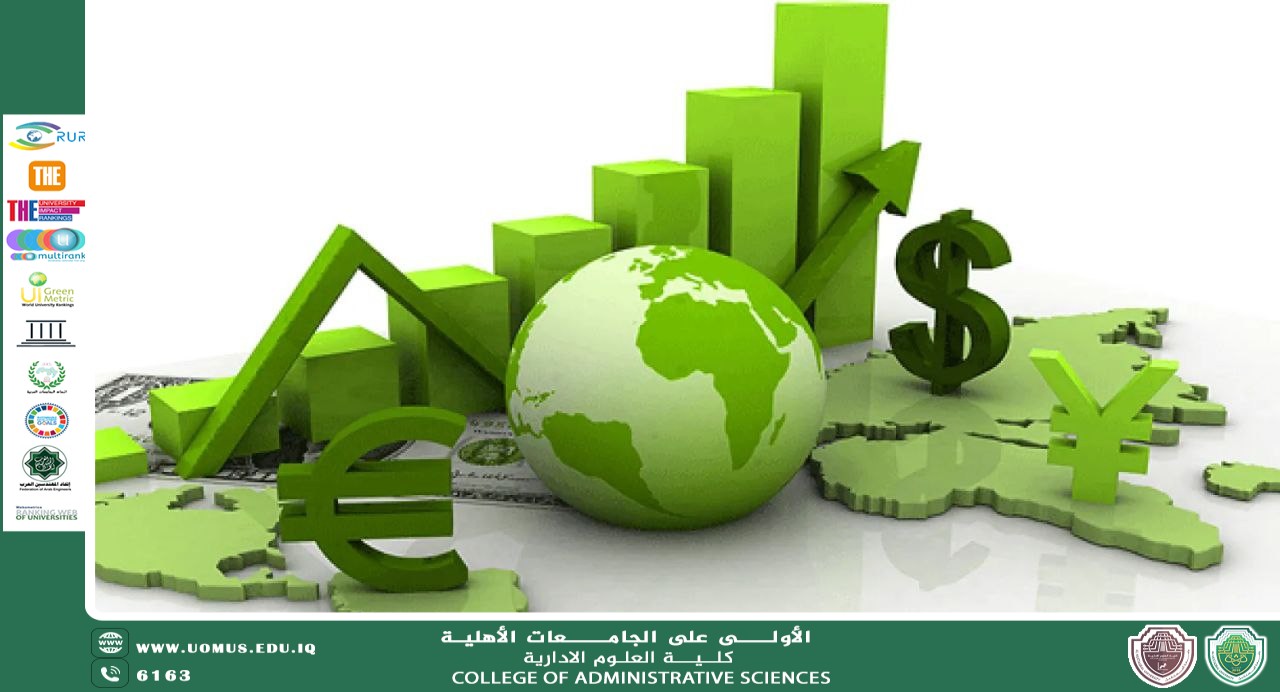
Decent work refers to employment opportunities that ensure fair wages, safe working conditions, social protection, and opportunities for professional development. Providing decent work is a cornerstone of sustainable economic growth, as it enhances productivity, stimulates innovation, and increases individuals’ purchasing power—positively affecting the national economy and society as a whole.
### **Integration of the Goals**
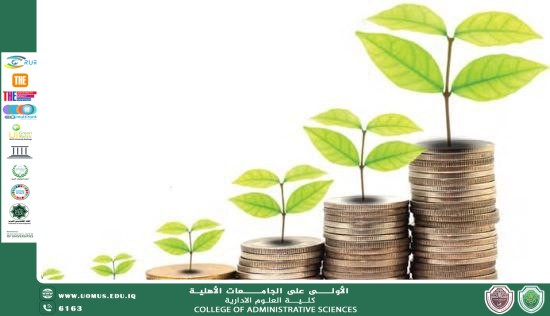
Studies show that achieving the eradication of poverty and hunger depends largely on creating opportunities for decent work. Households with stable and sustainable income can access adequate food and essential services, reducing poverty and hunger while fostering sustainable development. Moreover, investing in education, vocational training, infrastructure, and sustainable agriculture strengthens the integration of these goals and contributes to their achievement.
### **Policies and Recommendations**
1. **Develop social protection programs:** To support poor households and vulnerable communities.
2. **Promote investment in productive sectors:** Especially agriculture and small and medium-sized enterprises, to create sustainable employment opportunities.
3. **Improve the quality of education and vocational training:** To prepare the workforce for future jobs and enhance productivity.
4. **Support local sustainable nutrition initiatives:** To reduce hunger and poverty in both rural and urban communities.
### **Conclusion**
Achieving a sustainable society requires an integrated approach that links the eradication of poverty and hunger with the promotion of decent work and economic growth. This integration forms the foundation for improving quality of life, ensuring social justice, and strengthening economic stability. Through effective policies and sustainable investments, societies can achieve comprehensive development that ensures the well-being of present and future generations.