A scientific article (by Heba Salah Hadi) entitled "Causes, Symptoms and Types of Skin Cancer"
18/02/2026 Share :
Skin cancer is one of the most common types of cancer, and its danger increases when it transforms into melanoma, the most aggressive form of the disease.
In some cases, the cancer's effects are not limited to the skin; it can spread to other organs, such as the brain, posing a serious threat to the lives of those affected, according to the British newspaper, the Daily Mail.
Melanoma is one of the cancers most likely to spread to the brain. Studies indicate that up to 70% of patients with advanced stages of this disease may develop brain tumors.
However, removing these tumors can be extremely complex, especially if they are located near nerves or in sensitive areas of the brain.
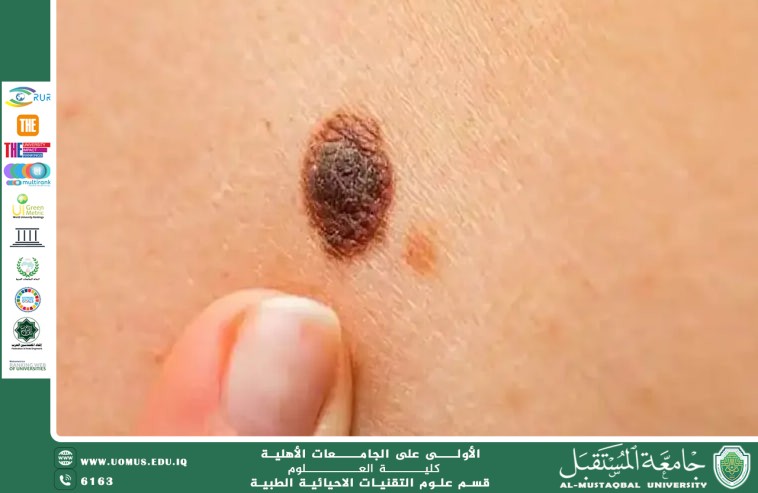
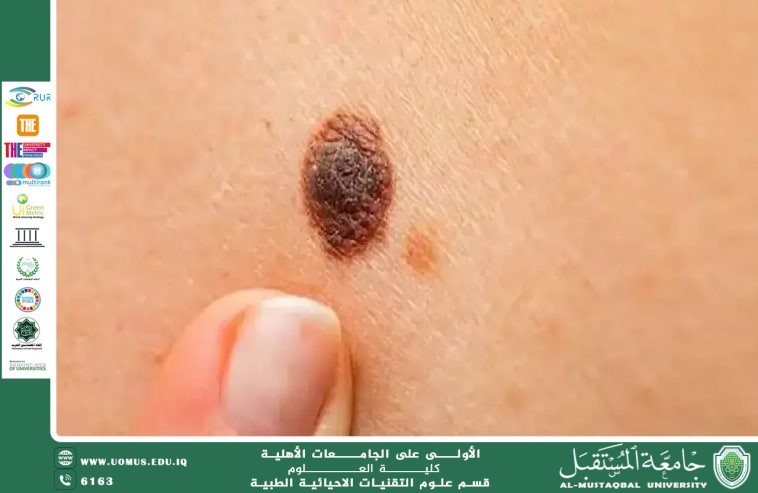
Melanoma may appear similar to other types of skin cancer, but it is characterized by the appearance of irregularly shaped patches with varying colors, ranging from brown to black.
People with fair skin are more susceptible to this disease due to lower levels of melanin in their skin, which reduces their natural protection against ultraviolet radiation.
When melanoma spreads to the brain, symptoms may include persistent headaches, vision problems, seizures, extreme fatigue, and nausea.
Melanoma cells can penetrate the blood-brain barrier, facilitating their spread to nerve tissue. These cells can also produce beta-amyloid protein, which is linked to Alzheimer's disease and other brain cancers, further complicating the condition.
The risk of skin cancer extends beyond its spread to the brain; it is also associated with an increased risk of other cancers, such as breast, kidney, and thyroid cancer. Furthermore, some less aggressive types of skin cancer, such as basal cell carcinoma, may increase the risk of developing leukemia, prostate, and colon cancer.