مقالة بعنوان " Biomedical Imaging: Enhancing Diagnostic Accuracy with Advanced Imaging Techniques " للتدريسي م.م. ماهر رحمن عبد الأمير
Biomedical Imaging: Enhancing Diagnostic Accuracy with Advanced Imaging Techniques
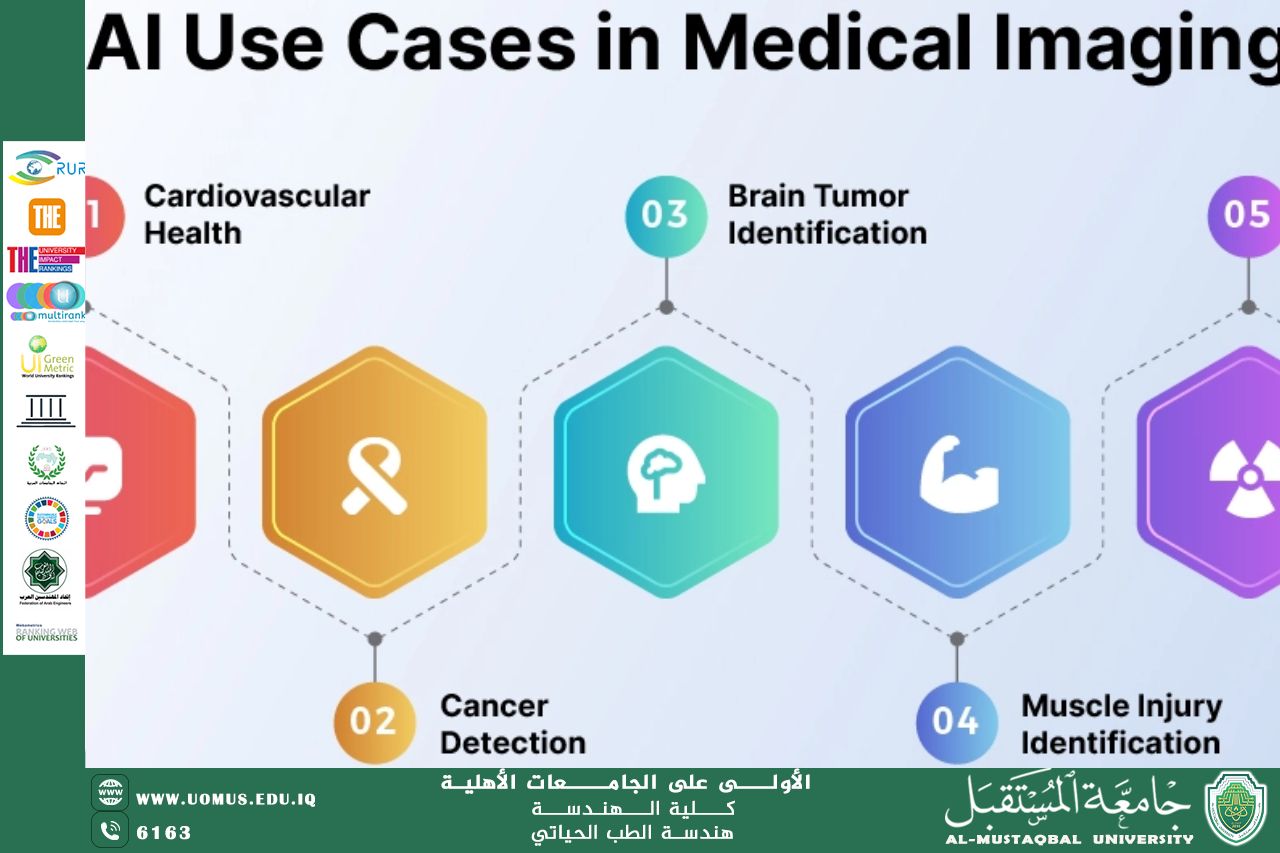
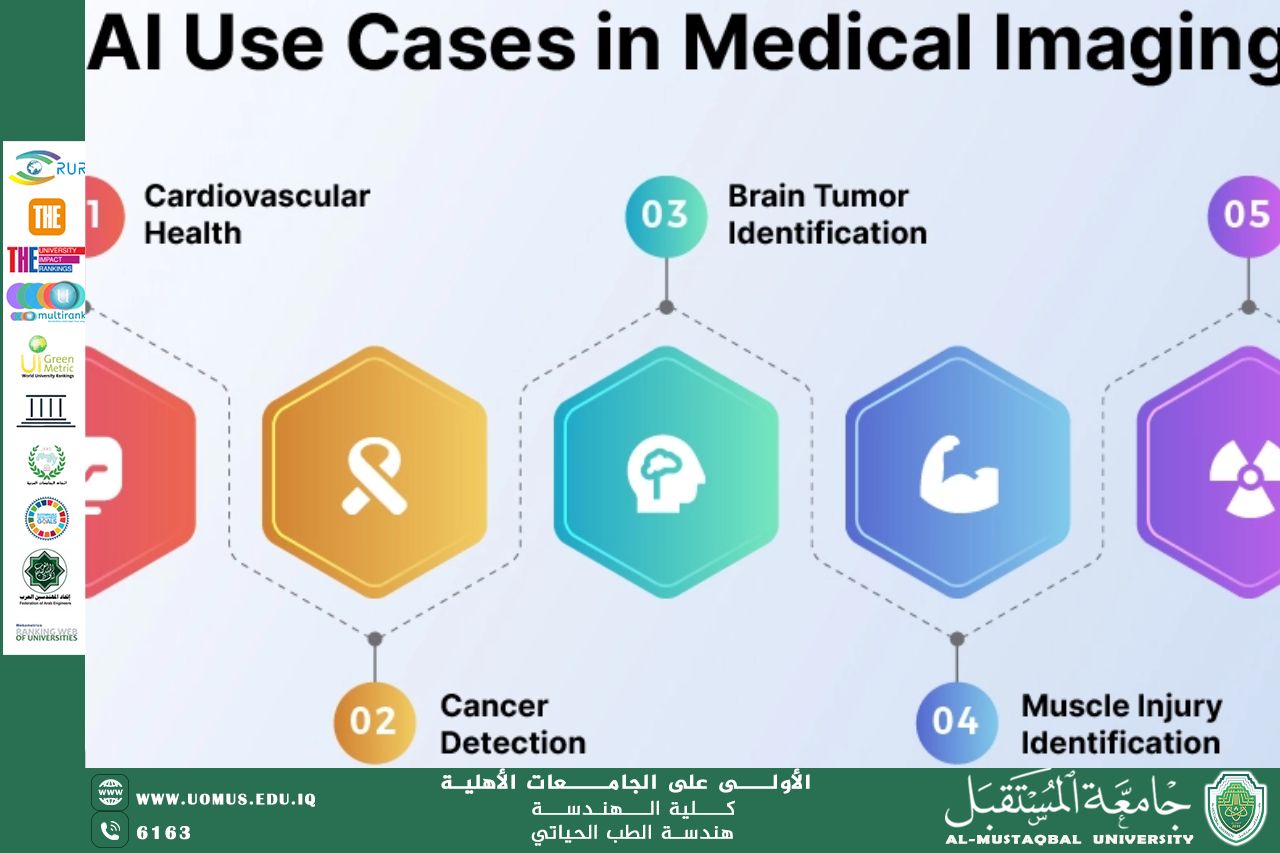
Biomedical imaging is a critical component of modern medicine, enabling healthcare providers to visualize the internal structures of the body with precision. Techniques such as MRI, CT, and PET scans are commonly used to detect and diagnose a wide range of diseases. More recently, functional imaging techniques like fMRI, which measure brain activity, and molecular imaging, which can identify biomarkers at the cellular level, have further enhanced the capabilities of medical imaging. These advanced imaging modalities enable real-time visualization of diseases, including cancer, cardiovascular conditions, and neurological disorders, providing clinicians with valuable insights into disease progression.
The integration of image processing algorithms has also improved the accuracy and resolution of diagnostic images. For example, machine learning algorithms are now used to enhance image quality and even detect abnormalities that may not be visible to the naked eye. Additionally, the development of portable imaging devices has enabled the conduct of diagnostic procedures at the point of care, making healthcare more accessible and efficient.
As imaging technologies continue to evolve, their ability to detect diseases earlier and more accurately will improve patient outcomes and facilitate personalized treatment plans.