مقالة بعنوان " Surface Coating of Biomaterials " للتدريسي م.م. عبدالله قيس هاشم
Surface Coating of Biomaterials
Introduction
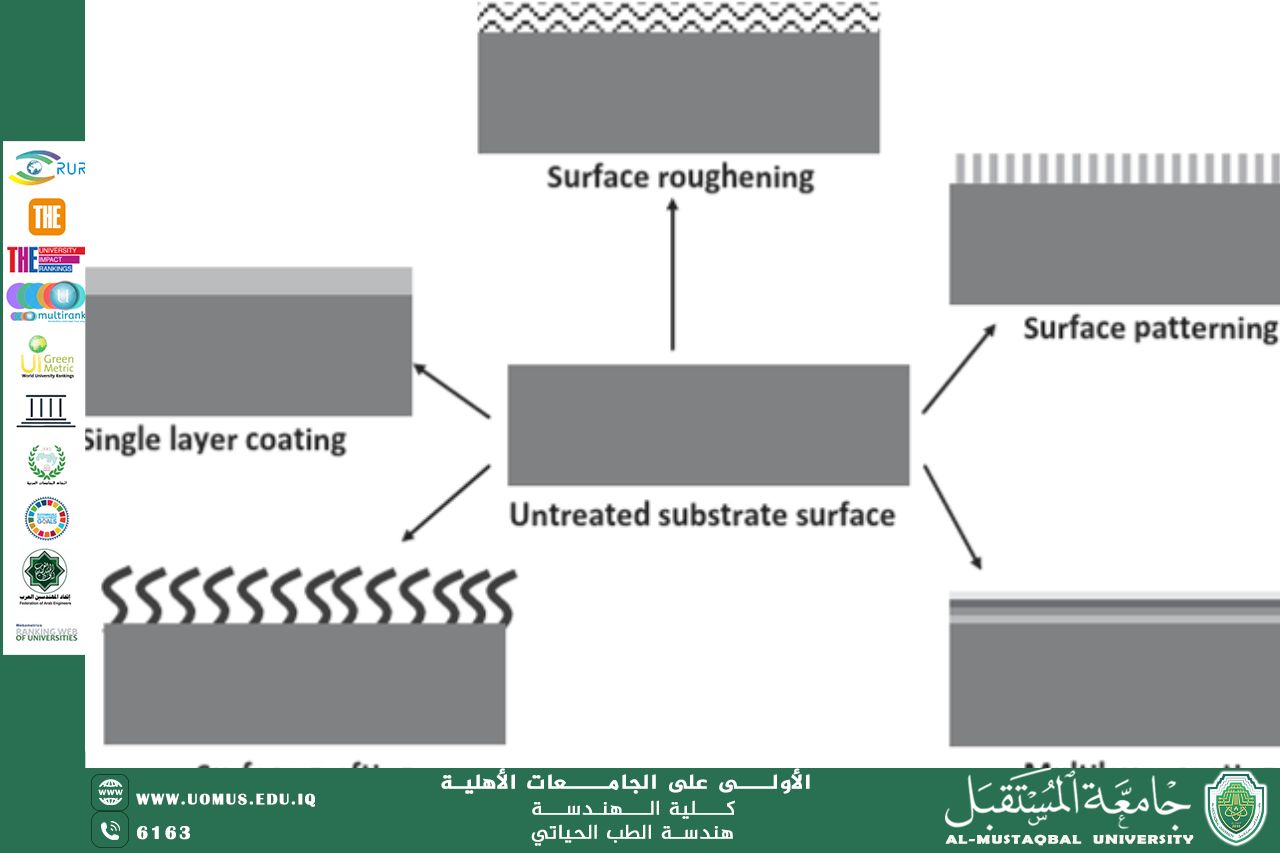
Surface coating of biomaterials is a critical strategy in biomedical engineering aimed at improving the interaction between implanted materials and biological environments. While bulk material properties determine mechanical strength and durability, surface characteristics such as chemistry, roughness, and wettability govern biological responses. Surface coatings are therefore widely used to enhance biocompatibility, reduce infection, and promote tissue integration.
Purpose of Surface Coatings
The main objectives of coating biomaterial surfaces include preventing bacterial adhesion, improving corrosion resistance, and promoting cell attachment and proliferation. For example, orthopedic and dental implants often require coatings that encourage bone growth while resisting microbial colonization. By tailoring surface properties, coatings can significantly improve the performance and longevity of biomedical devices.
Types of Surface Coatings
Surface coatings can be classified into passive and active coatings. Passive coatings, such as titanium oxide or ceramic layers, primarily serve as protective barriers. Active coatings, on the other hand, incorporate bioactive molecules such as growth factors, antibiotics, or anti-inflammatory agents. These coatings can actively influence cellular behavior and local biological processes.
Techniques for Surface Modification
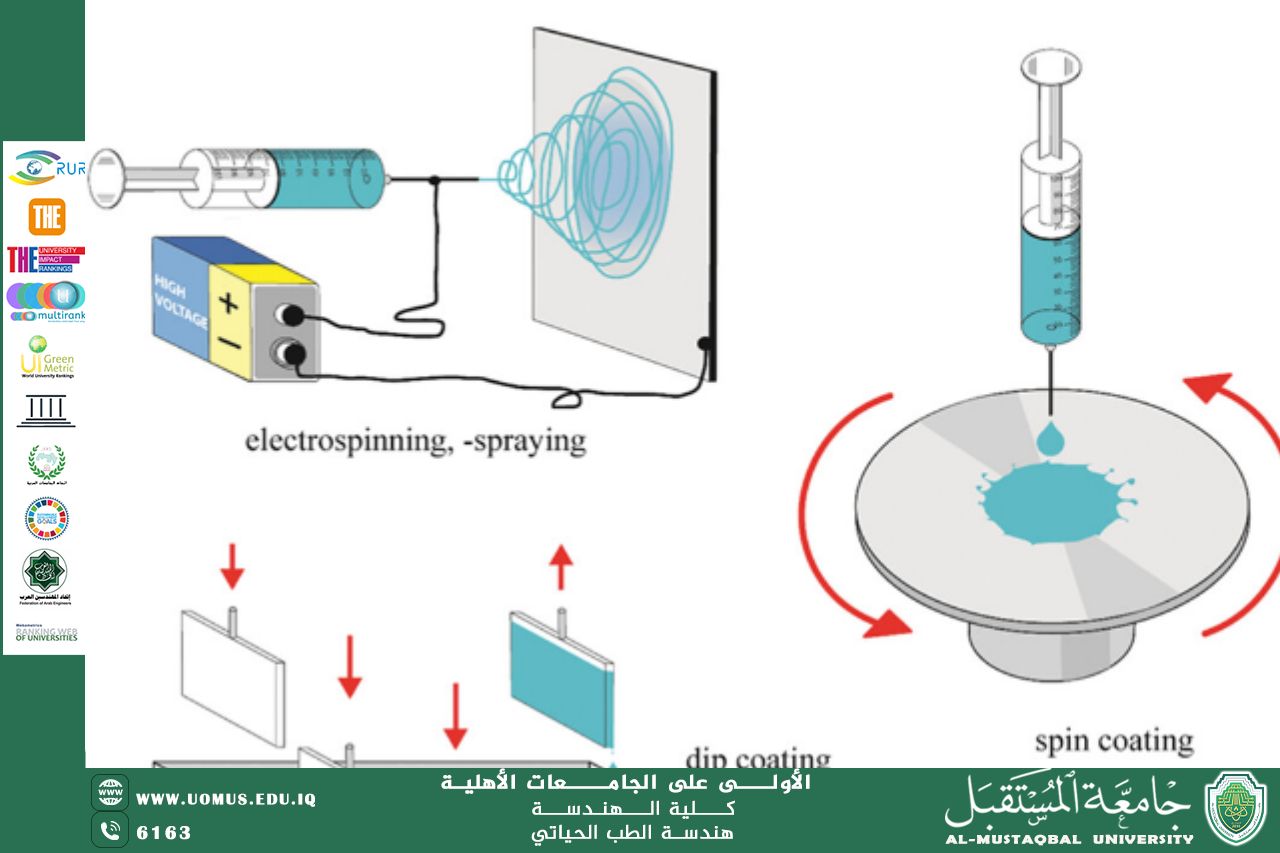
Various techniques are employed to coat biomaterial surfaces, including physical vapor deposition, chemical vapor deposition, sol–gel processing, and plasma spraying. Recently, advanced methods such as layer-by-layer assembly and electrospinning have gained attention due to their ability to produce nanoscale coatings with precise control over composition and thickness.
Biomedical Applications and Future Trends
Surface-coated biomaterials are widely used in implants, stents, prosthetics, and tissue engineering scaffolds. Future developments are expected to focus on multifunctional coatings that combine antimicrobial, osteogenic, and drug-release properties. Smart coatings that respond to biological signals and adapt to changing environments represent a promising direction in this field.