مقاله بعنوان "Rehabilitation Techniques for Spinal Cord Injuries “للمهندسة نورالهدى رزاق
Spinal cord injuries (SCI) are among the most complex medical conditions, often resulting in partial or complete loss of motor and sensory functions. Advances in biomedical engineering have introduced innovative rehabilitation techniques aimed at restoring neural functions and improving patient independence. These include robotic-assisted therapy, functional electrical stimulation (FES), brain–computer interfaces (BCI), and virtual reality (VR). This article reviews the main rehabilitation methods, their clinical applications, and their impact on improving quality of life for SCI patients.
Introduction
The spinal cord serves as the primary pathway for transmitting neural signals between the brain and the body. Injuries caused by accidents, falls, or tumors can lead to partial or complete paralysis, sensory deficits, and impaired bodily functions. Traditional rehabilitation primarily involved physical therapy and supportive care, but these methods often provided limited functional recovery.
Recent advances in neuroscience and biomedical engineering have introduced neurorehabilitation approaches that focus on promoting neuroplasticity and reorganizing damaged neural pathways. These technologies aim to not only improve physical capabilities but also enhance the patient’s independence and overall quality of life.
Methods of Rehabilitation
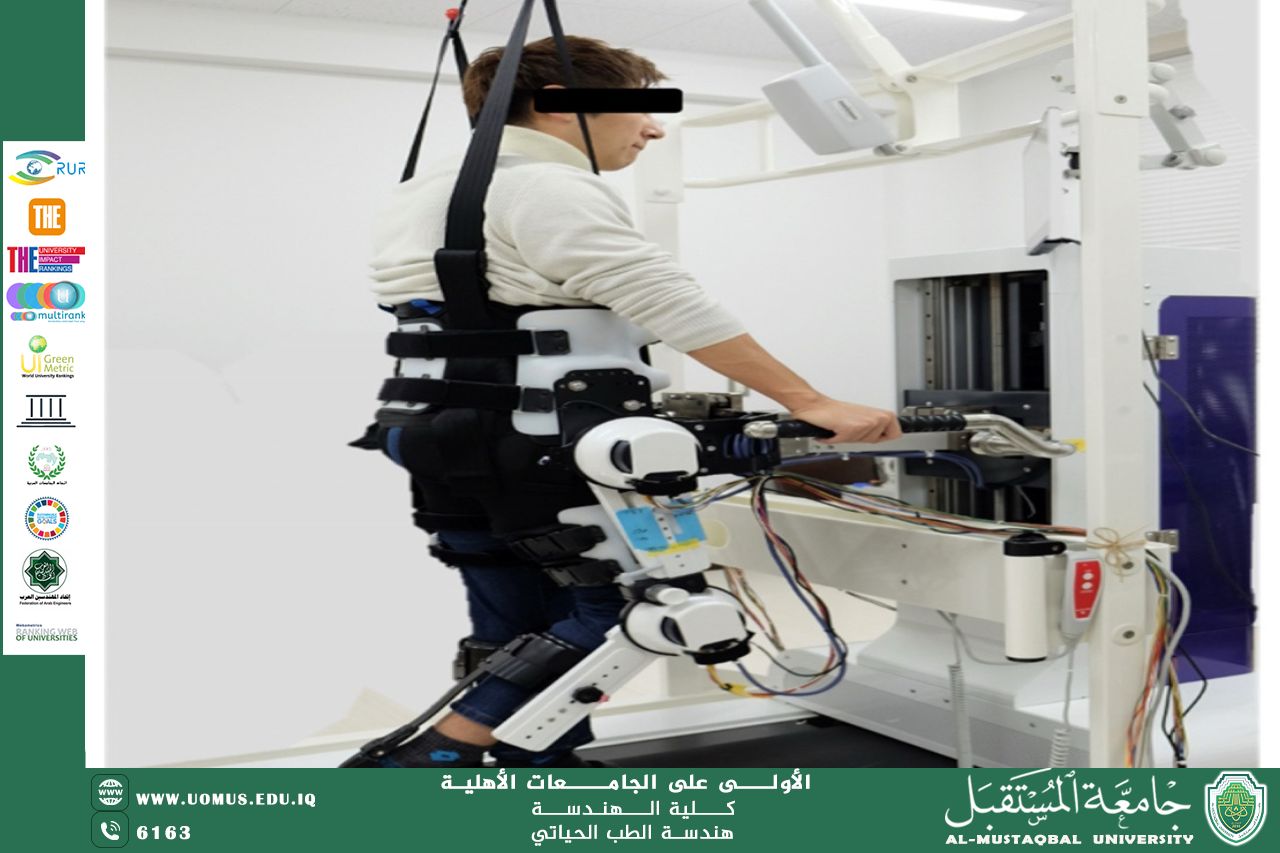
1. Robotic-Assisted Therapy
Robotic exoskeletons are wearable devices that support standing and walking by using motors and sensors. They help:
• Retrain walking patterns
• Prevent muscle atrophy
• Improve circulation and balance
• Increase motivation through assisted mobility
2. Functional Electrical Stimulation (FES)
FES applies controlled electrical pulses to nerves and muscles to:
• Generate muscle contractions
• Restore voluntary movements
• Reduce spasticity and neuropathic pain
• Support cardiovascular and respiratory function
3. Brain–Computer Interfaces (BCI)
BCI technology records brain activity and converts it into commands to control external devices such as robotic limbs or wheelchairs. This allows patients to:
• Move without using impaired pathways
• Interact with their environment independently
• Integrate therapy with virtual or robotic training
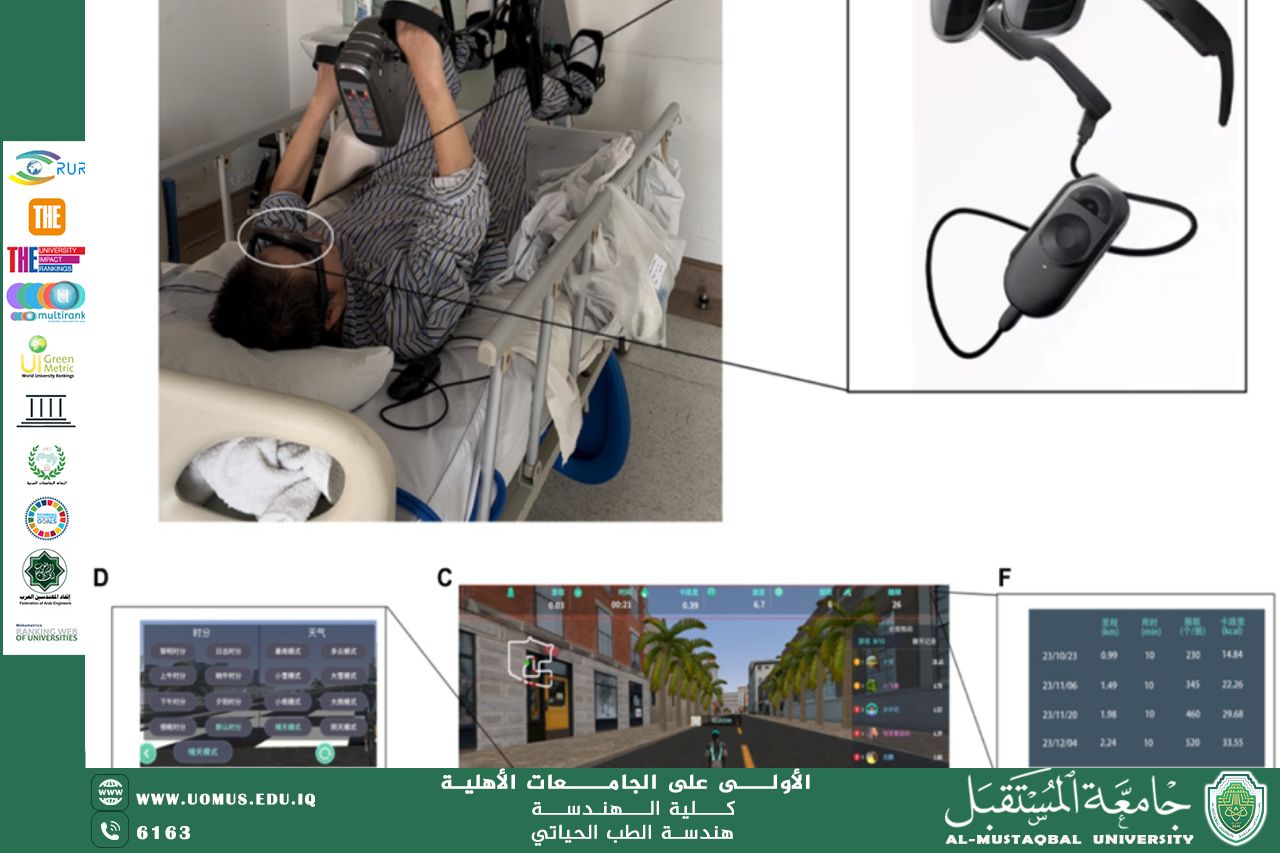
4. Virtual Reality (VR) Rehabilitation
VR creates immersive environments that enable repetitive, task-specific training. It helps:
• Improve motor learning and balance
• Increase patient engagement and motivation
• Provide real-time feedback on performance
5. Regenerative Approaches
Emerging therapies use stem cells, biomaterials, and growth factors to:
• Repair damaged neural tissue
• Promote axonal regeneration
• Support signal transmission across injured pathways
Applications
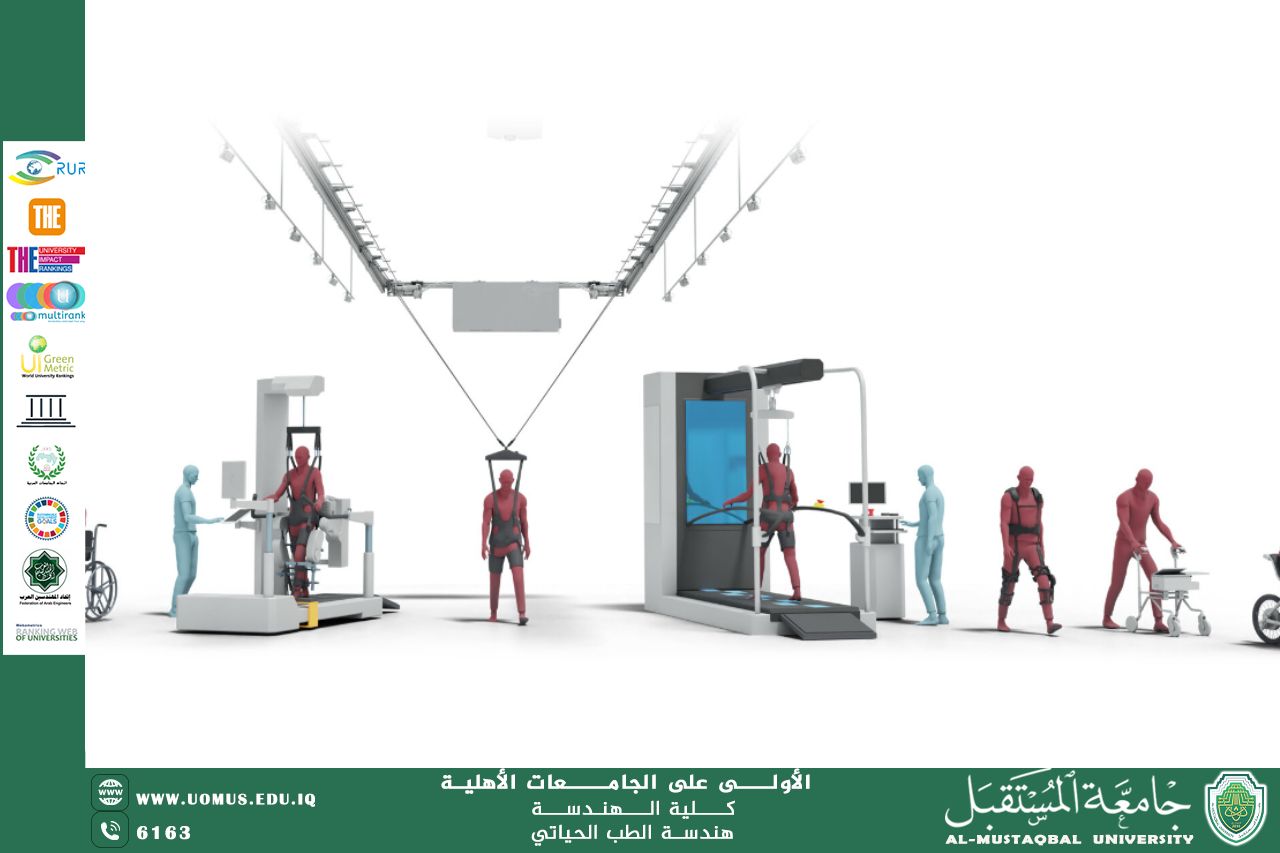
1. Gait and Mobility Training
Robotic treadmills and exoskeletons assist patients in relearning walking patterns and maintaining joint flexibility.
2. Upper Limb Rehabilitation
Smart gloves and FES devices support grasping, writing, and performing daily tasks.
3. Assistive Device Control
BCIs and smart wheelchairs enhance independence for patients with severe paralysis.
4. Home-Based Tele-Rehabilitation
Wearable sensors and digital platforms allow therapists to remotely monitor exercises and adjust treatment plans.
5. Psychological and Cognitive Support
VR-based programs help reduce depression and anxiety while improving self-confidence and engagement in therapy.
Conclusion
Rehabilitation for spinal cord injuries has evolved from conventional physiotherapy to advanced technology-driven approaches. Techniques such as robotic-assisted therapy, FES, BCI, and VR enhance neuroplasticity and maximize functional recovery. While challenges remain in terms of cost, accessibility, and implementation, ongoing research in biomedical engineering promises more effective, personalized, and widely available rehabilitation systems in the near future.