تم نشر مقاله علميه حديثه منقوله بواسطة د.رواء ماجد محمد / مقرر قسم تقنيات التخدير
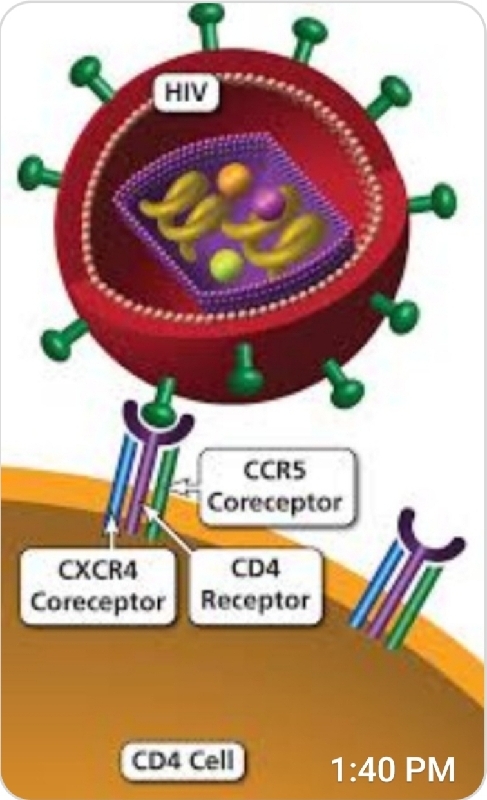
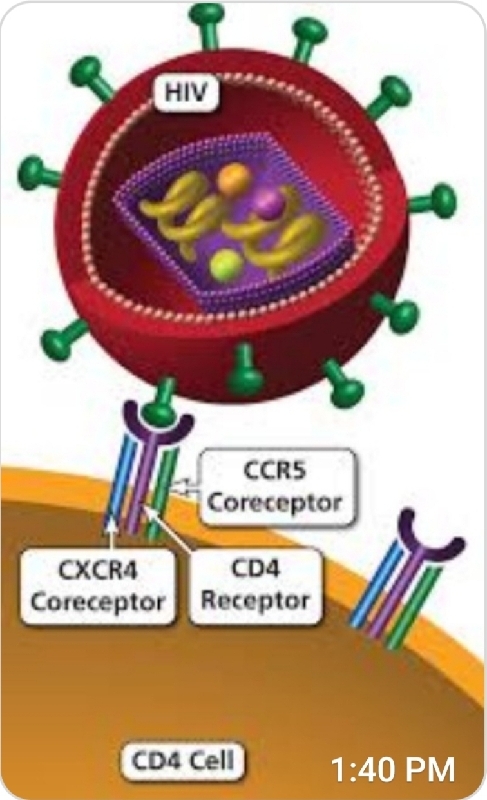
CD4 lymphocyte count: A Barometer for HIV/AIDS <br /><br /><br />Dr.Rawaa Majed Mohammed<br /><br /><br />is probably not a news to say that HIV/AIDS is yet to have a cure and that the dreaded virus can be managed effectively with highly active antiretroviral therapy (HAART). What is however new is the fact that the point of initiating the management regimen in Africa may likely be different from others elsewhere in the globe if your article recently reviewed is anything to go by.<br />Globally, most clinicians would probably like to consider initiating therapy at some points between CD4 count of 200 cells × 106/l and 400 cell × 106/l as well as in all symptomatic patients. This approach may not be accurate enough after all more accurate method could be achieved through establishment of reference range in different settings. It is in line with this that the regional CD4 lymphocyte range is advocated world-wide.<br />The paper titled “Distribution of CD4 lymphocyte cells among apparently healthy HIV seropositive and seronegative populations” published in your journal is therefore timely and apt for your esteem readers world-wide and those in the worst hit African countries in particular. An ideal HAART is specific, orally absorbed and crosses the blood-brain harrier without any adverse effect. In view of the problems of limited clinical efficacy, reduced viral sensitivity over time and drug intolerance, combination of two or more agents have been suggested for effective management.Reports have also shown that combination regimens increased the CD4 lymphocyte count in HIV patients than when given monotherapy. It is on the basis of this report that CD4 count was regarded as one of the indices or monitoring the response of HIV/AIDS patients to HAART.<br />Recently developed technologies employ capcellia and cytoflow methods for CD4 lymphocyte count and flowcytometer as a gold standard. It is however worrisome to note that Dynal bead method which is very cumbersome is still in use in some resource limited countries especially in Africa. In as much as the results produced by this method may compete favorably with that of new technologies, simplicity efficiency and speed of the later make them preferable to the older technique.<br />It is on this note I call on all well – meaning international organizations and donor agencies such as WHO, USAID, DFID, GHAIN, FHI, etc. to come to the aid of those countries where old methods are still in use by supplying them with modern equipment and machines for CD4 lymphocyte estimation. It is my belief that this measure with go a long may in contributing to the control of the global pandemic.<br /><br />Article information<br /><br />N Am J Med Sci. 2012 Mar; 4(3): 124.<br /><br />PMCID: PMC3309618<br />PMID: 22454824<br /><br /> <br /><br />Nassar Sulaiman<br /><br />Department of Biomedical Science, Faculty of Basic Medical Sciences, Ladoke Akintola University of Technology, Ogbomoso, Nigeria<br /><br />Address for correspondence: Dr. Nassar Sulaiman, Department of Biomedical Science, Faculty of Basic Medical Sciences, Ladoke Akintola University of Technology, Ogbomoso, Nigeria. E-mail: moc.oohay@rassannamialus