
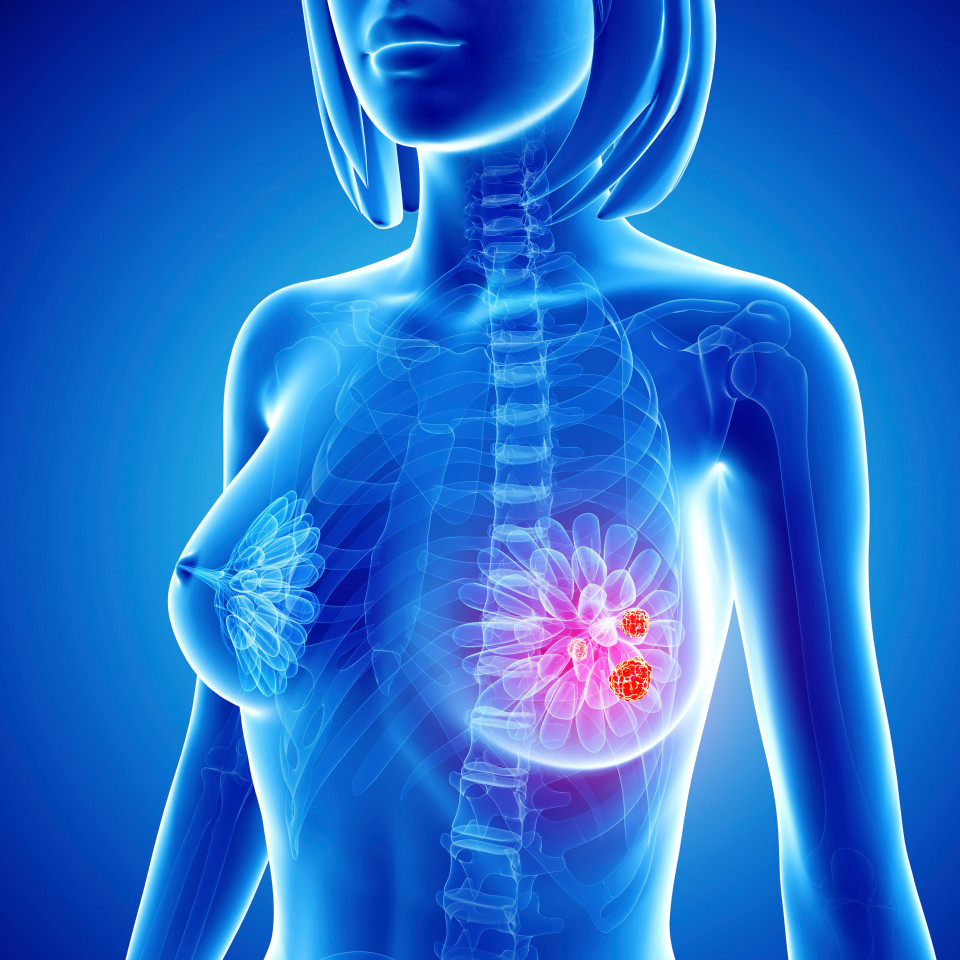
تم نشر مقالة علمية للتدريسية (رواء ماجد محمد) بعنوان Breast cancer and Immunity
Breast cancer and Immunity<br />Dr.Rawaa M. Mohammed<br /> Each year more than one million women are diagnosed with breast cancer worldwide over half of whom will die from the disease . Breast cancer is the most common cancer and the leading cause of cancer death for women. <br />Extensive breast cancer screening programs and the development of new treatments have improved the prognosis of breast cancer overall. However the average 5 year survival rate for women with late stage or advanced breast cancer remains low. On average only 35% of women with advanced breast cancer are alive five years after diagnos is ..A third of women are diagnosed with breast cancer at a late stage4 when the disease has a poor prognos is. Treatment options for breast cancer vary depending on the stage at which the cancer is diagnosed. Surgery and radiotherapy are commonly used to treat women with early stage breast cancer.<br /> Chemotherapy, hormonal and targeted therapies are frequently used to treat patients with more advanced forms of the disease .<br /><br /> Immune system in health and disease When tissue homeostas is is perturbed, sentinel macrophages and mast cells immediately release cytokines, chemokines, matrix proteases, reactive oxygen radicals and bioactive mediators such as histamine; all of them induce mobilization and infiltration of additional immune cells into the damaged tissue Macrophages and mast cells also activate the vascular and fibroblast responses in order to initiate the local tissue repair. DCs take upforeign antigens and thereafter migrate to lymphoid organs where they present their antigens to adaptive immune cells. NK inter-act with DCs in two manners; some NK-cell subsets eliminate immature DCs, others promote DC maturation. Reciprocally, DC scan regulate the activation of NK cells .The induction of efficient primary adaptive immune responses requires direct interactions with mature antigen-presenting cells and a Pro-inflammatory cytokine milieu Adagtive immane cells , such as B-lymphocytes , CD4 helper T lymphocyes and CD8+ cytotoxic T lymphocytes (CTLs) distingish themselves from innate leukocytes by the expression of diverse antigen-specific receptors. The latter receptors allow a ftexible and broader repertoire of responses than innate immune ceils, which express germ line-encoded receptors. Tlymphocytes are antigentcally committed to specifically unique antigen. <br />