(احتباس السوائل في الجسم) مقالة علمية للمعيدة في قسم علوم الفيزياء الطبية مريم لطيف شندل
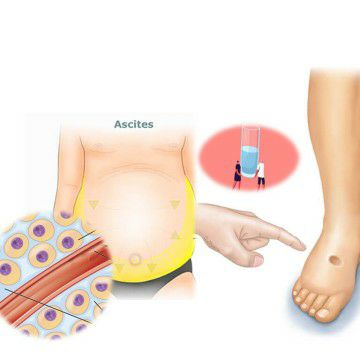
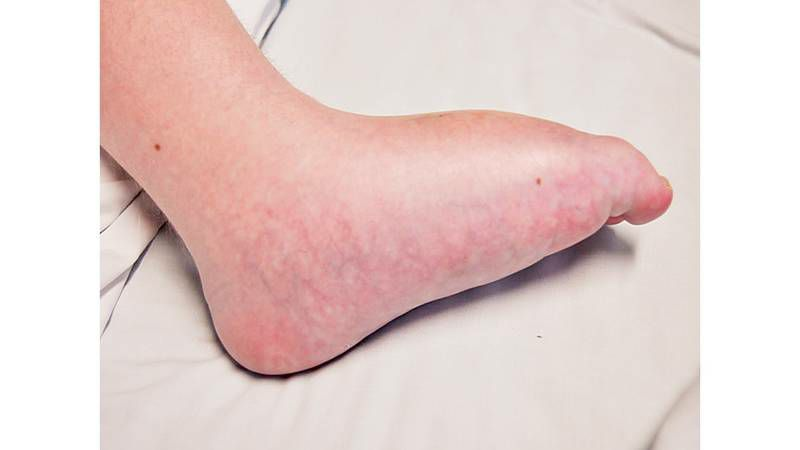
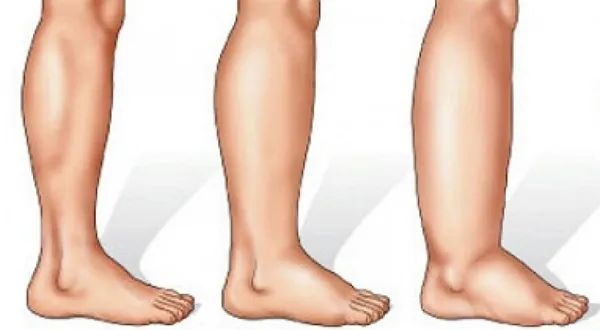
Water represents 70% of body weight, and nutrition experts recommend drinking 8 glasses of <br />water per day. So your vital body systems can function efficiently, but what if your body retains water and fluids? This is what is known as fluid retention in the body, and it is a condition that is accompanied by uncomfortable symptoms, and it may indicate the presence of a health problem, and we review through the article its most important causes, symptoms, and how to deal with it.<br />Water or fluid retention, or as it is known as edema, is swelling caused by the accumulation of fluid in one part of the body, and it occurs when there is a problem with the blood circulation, kidneys, lymphatic system, glands, and other body systems that maintain the balance of fluid levels within it, and it may It is a symptom of a health problem or more serious condition, especially if it occurs suddenly or is severe.<br />Fluid retention in the body is accompanied by symptoms such as swelling and discomfort, and it may occur in any area of the body, but it often occurs in the legs, feet, and ankles as well as in the face and hands.Certain lifestyle changes may help reduce water retention, especially if it is not related to a health problem but to wrong daily and dietary habits.Fluid retention can be distinguished from swelling caused by any other problem by pressing fingers on the swollen area. If the skin does not bounce back until after several seconds have passed, this indicates fluid retention.<br /><br />Symptoms of fluid retention in the feet and hands<br />swelling.<br />Lustrous, puffy skin.<br />The skin does not return until after a few seconds when pressed.<br />Pain in the extremities.<br />Symptoms of fluid retention in the brain<br />Hydrocephalus can cause fluid retention in the brain, which is a serious and life-threatening condition. Its symptoms include:<br />vomiting.<br />Blurred vision.<br />Headache.<br />Difficulty balancing.<br />Symptoms of fluid retention in the lung<br />Also known as pulmonary edema, excess fluid in the lung indicates a serious heart or respiratory problem and may affect the lungs' ability to supply oxygen to the body. Symptoms include:<br />breathing difficulties.<br />Cough.<br />pain in chest.<br />weakness.<br />Non-pathological causes that may lead to water retention in the body include:<br />Standing and sitting for long periods, as gravity causes water to collect in the lower extremities.Eat a lot of sodium by adding high amounts of salt to food, or consuming processed foods or soft drinks.Side effects of some medications, such as: some chemotherapy treatments, antidepressants, some pain relievers, blood pressure medications, and some hormonal birth control pills.<br />Pregnancy, with the growth of the fetus and weight gain, the pressure on the legs may cause them to retain fluid, however, you should consult a doctor immediately in the event of swelling of the extremities, as it may be an early sign of pre-eclampsia.<br />overweight.<br />Malnutrition.<br />Hormone disorder associated with the menstrual cycle.<br />Foods that fight fluid retention in the body<br />Foods play an important role in maintaining fluid balance in the body, and some foods can prevent water from accumulating in tissues or act as natural diuretics that help drain excess fluids out of the body.<br />Foods that combat fluid retention in the body include:<br />Foods rich in B vitamins: Studies show that B vitamins help promote healthy circulation, which in turn helps prevent fluid retention. Some research has reported that taking vitamin B6 significantly reduced premenstrual symptoms, especially edema. B vitamins can be obtained from natural sources, such as: leafy and starchy vegetables and fish.<br />Foods Rich in Magnesium and Potassium: These essential minerals regulate fluid levels and balance sodium in the body. Bananas, spinach, and avocados are some of the best natural sources of potassium, while leafy green vegetables, nuts, seeds, and chocolate are good sources of magnesium and several other essential minerals. A study found that eating magnesium-rich foods reduces symptoms of premenstrual syndrome and symptoms associated with hormonal changes, such as: bloating, fluid retention, and swollen breasts.<br />Natural diuretics: Celery, watermelon, and green tea are ideal foods that help diuresis and prevent water retention in the body naturally.<br />What is the treatment of fluid retention in the body?<br />Usually fluid drains from the body on its own without treatment, but if the reason behind its retention is a pathological problem, the doctor will focus on treating the problem itself, and may recommend some treatments to reduce edema, such as:<br />Diuretics: which help the kidneys remove excess fluid from the body, and the doctor prescribes them in specific doses and for a short period. To avoid dehydration and its other side effects, such as increased water retention and kidney damage.Some tips may help reduce fluid retention, including:<br />Exercising, which helps stimulate blood circulation, which in turn removes excess fluid from the body.Eating a healthy, low-sodium diet (limiting sodium intake to no more than 2,300 milligrams per day).Drink plenty of water; Because dehydration makes the body retain fluids inside it.Wear compression stockings if fluid retention is in the feet and legs.Elevate the legs above the level of the heart to reduce swelling and drain excess fluid from the body.Massage the swollen areas towards the heart.Eat foods rich in magnesium and potassium, which regulate fluid levels in the body.Reduce your intake of refined carbohydrates.Eat natural diuretics, such as: celery and watermelon.<br />How to prevent fluid retention in the body?<br />Fluid retention in the body can be prevented by some healthy daily habits, including:<br />Maintain a healthy weight, as excess weight impairs circulation.Exercising to stimulate blood circulation.Avoid standing or sitting in the same position for a long time, as gravity causes fluid to accumulate in the feet.Reduce your intake of salt and foods with a high sodium content, such as processed foods.Avoid eating refined carbohydrates, such as: white flour, bread, pasta or pastries, which cause a rapid rise in blood sugar and insulin levels, and high insulin may stimulate the kidneys to reabsorb more sodiumwhich in turn leads to water retention. Whole grain foods can be eaten in place of refined carbohydrates.Eat foods rich in magnesium, especially in the run-up to menstruation.Include foods rich in vitamin B6 in the diet.<br />