تم نشر مقاله علمية للدكتوره ☆رواء ماجد محمد☆ بعنوان The black death ( HIV)
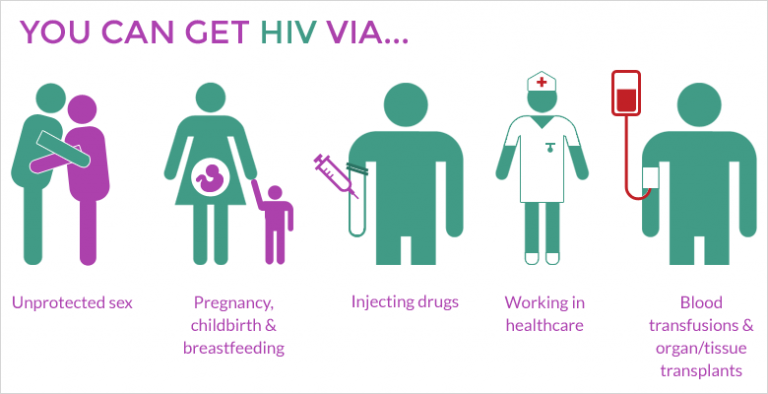
The black death ( HIV)<br /><br />The Human Immunodeficiency Virus (HIV) targets the immune system and weakens people's defense systems against infections and some types of cancer. As the virus destroys and impairs the functio n of immune cells, infected individuals gradually become immunodeficient. Immune function is typically measured by CD4 cell count.<br />Immunodeficiency results in increased susceptibility to a wide range of infections, cancers and other diseases that people with healthy immune systems can fight off.<br />The most advanced stage of HIV infection is Acquired Immunodeficiency Syndrome (AIDS), which can take from 2 to 15 years to develop depending on the individual. AIDS is defined by the development of certain cancers, infections, or other severe clinical manifestations.<br />The symptoms of HIV vary depending on the stage of infection. Though people living with HIV tend to be most infectious in the first few months, many are unaware of their status until later stages. The first few weeks after initial infection, individuals may experience no symptoms or an influenza-like illness including fever, headache, rash, or sore throat.<br />As the infection progressively weakens the immune system, an individual can develop other signs and symptoms, such as swollen lymph nodes, weight loss, fever, diarrhoea and cough. Without treatment, they could also develop severe illnesses such as tuberculosis, cryptococcal meningitis, severe bacterial infections and cancers such as lymphomas and Kaposi's sarcoma, among others<br />HIV can be transmitted via the exchange of a variety of body fluids from infected individuals, such as blood, breast milk, semen and vaginal secretions. Individuals cannot become infected through ordinary day-to-day contact such as kissing, hugging, shaking hands, or sharing personal objects, food or water.<br /><br /><br />Part 1 <br /><br />Dr.Rawaa M.Mohammed