
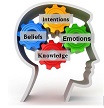
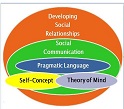
Theory of Mind By RADHWAN ABDULMAHDI KADHIM
The capacity to predict and interpret behavior by using representations of hidden, causally efficacious mental states, Support for the constructivist view comes from evidence that theory-of-mind development is influenced by both social experience and language. For instance, having older siblings tends to lead to earlier success on the false-belief task, as do greater amounts of parental mental-state discourse . Strikingly, deaf children who do not learn sign language until later in life also have persistent difficulties on the false-belief task, even in adulthood . For the original view, a large body of evidence has emerged recently, demonstrating a range of theory of mind abilities in children in the first two years of life, before they pass through verbal forms of false belief. a task. For example, a number of studies have adapted the classic false belief task to make it appropriate for infants. Currently, these tasks never ask children to make explicit verbal predictions