
الفشل القلبي
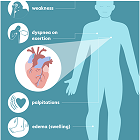
Heart Failure <br />Assist. Lec. Nabaa Salah <br /> Heart failure (HF) is a syndrome characterized by high mortality, frequent hospitalization, reduced quality of life, and a complex therapeutic regimen. Chronic Heart failure (HF) is a medical syndrome manifested by a group of symptoms (shortness of breath, orthopnea, edema of lower limb) and signs and symptoms (pulmonary congestion, increased jugular venous pressure) mostly be a result of structural and/or functional cardiac abnormalities ended with reduction in cardiac output, while Acute heart failure (AHF) is the rapid attack of, or changes in signs and symptoms of chronic HF and includes both patients with typical presentation of heart failure signs and symptoms admitted for the first time and those patients with worsening of their preexisting cardiomyopathy (acute decompensate heart failure). Common causes of heart failure include coronary artery disease, including a previous myocardial infarction (heart attack), high blood pressure, atrial fibrillation, valvular heart disease, excess alcohol use, infection, and cardiomyopathy of an unknown cause. These cause heart failure by changing either the structure or the function of the heart. <br /> Among the risk factors for heart failure (they may make it more likely) are: diabetes (especially diabetes type 2), obesity, smoking, anemia, Myocarditis, Heart arrhythmias (abnormal heart rhythms, they may cause the heart to beat too fast, creating more work for the heart. Eventually the heart may weaken, leading to heart failure), Hyperthyroidism, Hypothyroidism, Emphysema and Lupus. There are many different types of heart failure: 1) Left-sided heart failure which is the most common form of congestive heart failure. The left side of the heart is responsible for pumping blood to the rest of the body. Blood backs up into the lungs as it is not effectively pumped away from the heart. This can cause shortness of breath and fluid buildup.2) Right-sided heart failure: The right side of the heart pumps blood to the lungs where it collects oxygen. Right-side failure is, most often, caused by fluid build-up in the lungs due to left-side failure. Sometimes it can occur due to other conditions, including lung disease. 3) Diastolic heart failure: This occurs when the heart muscle is stiffer than normal. Because the heart is stiff, it does not fill up with blood properly; this is known as diastolic dysfunction. Because the heart does not fill up with blood, it cannot pass as much blood around the body as is necessary. This can occur on either side of the heart. 4) Systolic heart failure: Systolic dysfunction describes the heart's inability to pump efficiently after filling with blood. It often occurs if the heart is weak or enlarged. This can occur on either side of the heart. <br /> <br />