

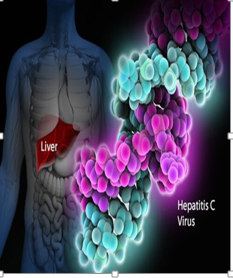
تم نشر مقالة علمية للدكتورة ( رشا فاضل عبيد) بعنوان ?How Do You Get Hepatitis C
Hepatitis C is a blood-borne illness, meaning it is transmitted via contact with infected blood. Usually the virus enters the body through a puncture wound on the skin.<br />Is Hepatitis C Contagious?<br />Yes, hepatitis C is contagious. The most common way hepatitis C is transmitted is via injection drug use. Sharing needles with someone who is infected can transmit hepatitis C. Health care professionals may contract the virus via needlestick injury. Prior to 1992, the U.S. blood supply was not screened the way it is today, so some people contracted hepatitis C from infected blood transfusions. Rarely, babies born to hepatitis C-infected mothers acquire the virus. Hepatitis C can also be spread by having sex with an infected person or sharing personal items (a razor or toothbrush) with someone who has the virus, but these cases are rare.<br />Hepatitis C (Hep C) Symptoms<br />About 70% to 80% of people with the hepatitis C virus do not have any symptoms, especially in the early stages. In these people, symptoms may develop years, even decades later, when liver damage occurs. Others develop symptoms between 2 weeks to 6 months after infection. The average time to develop symptoms is 6 to 7 weeks after acquiring the virus. A person who has hepatitis C infection, but isn't exhibiting any symptoms can still pass the virus on to others. Hepatitis C symptoms may include:<br />• Mild-to-severe fever<br />• Fatigue<br />• Abdominal pain<br />• Loss of appetite<br />• Nausea<br />• Vomiting<br />• Joint pain<br />• Dark urine<br />• Clay-colored stool<br />• Yellowing of the skin (jaundice)<br />Acute hepatitis C infection refers to symptoms that appear within 6 months of newly acquiring the virus. About 20% to 30% of those who acquire hepatitis C experience acute illness. After this, the body either clears the virus or goes on to develop chronic infection.<br />Chronic hepatitis C infection refers to long-lasting infection. The majority of people who have acute hepatitis C infection (75% to 85%) go on to develop the chronic form of the illness.<br />How Is Hepatitis C Diagnosed?<br />Hepatitis C infection is diagnosed with several blood tests. The hepatitis C antibody test checks for antibodies (immune particles) that fight the virus. A "non-reactive" result means that antibodies to the virus are not detected. A "reactive" result means antibodies to the virus are present, but the test is unable to indicate whether the infection is current or from the past. Another blood test to assess the presence of hepatitis C genetic material (HCV RNA test) is available. The results of this test can help doctors determine whether hepatitis C infection is current or not. Additional blood tests can be used to determine the amount of virus in the body, known as a titer.<br />When someone has confirmed hepatitis C infection, the doctor will order more tests to assess the degree of liver damage. A liver biopsy may be performed. There are several different strains of the hepatitis C virus that respond to different treatments. For this reason, the doctor will order a test to determine the genotype(s) of the hepatitis C infection to help determine the course of treatment.<br /><br />Who Should Get Tested for Hepatitis C?<br />• Current or former drug users who use needles<br />• Healthcare workers exposed to blood or bodily fluids<br />• People with a sex partner infected with chronic hepatitis C<br />• People who had their blood filtered by a machine for a long time<br />• People who received a blood transfusion or organ transplant from a donor before July 1992<br />• People with HIV<br />• People born between 1945 and 1965<br />Related Articles<br />• Infectious Diseases A-Z: Increasing hepatitis infections published 4/23/18<br />• El minuto de Mayo Clinic: El abecé de la hepatitis (The ABCs of hepatitis) published 4/10/18<br />• Mayo Clinic Minute: ABCs of hepatitis published 5/24/17<br />• Should you be tested for hepatitis? published 5/18/17<br /> <br />