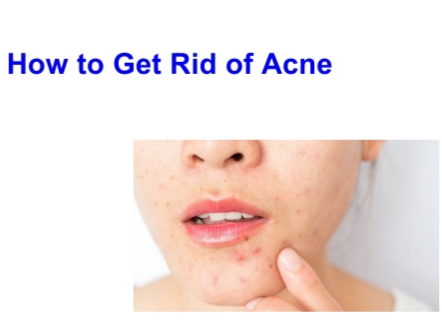
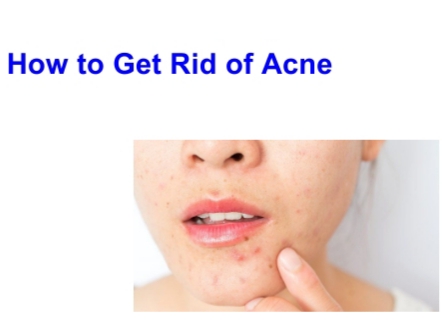
تم نشر مقالة علمية للدكتورة (رشا فاضل عبيد ) بعنوان How to Get Rid of Acne
<br />How to Get Rid of Acne<br /><br /> <br />Acne is caused when tiny holes in the skin, known as hair follicles, become blocked. Sebaceous glands are tiny glands found near the surface of your skin. The glands are attached to hair follicles, which are small holes in your skin that an individual hair grows out of. Sebaceous glands lubricate the hair and the skin to stop it drying out. They do this by producing an oily substance called sebum. In acne, the glands begin to produce too much sebum. The excess sebum mixes with dead skin cells and both substances form a plug in the follicle. If the plugged follicle is close to the surface of the skin, it bulges outwards, creating a whitehead. Alternatively, the plugged follicle can be open to the skin, creating a blackhead. Normally harmless bacteria that live on the skin can then contaminate and infect the plugged follicles, causing papules, pustules, nodules or cysts.<br />Testosterone <br />Teenage acne is thought to be triggered by increased levels of a hormone called testosterone, which occurs during puberty. The hormone plays an important role in stimulating the growth and development of the penis and testicles in boys, and maintaining muscle and bone strength in girls.<br />The sebaceous glands are particularly sensitive to hormones. It's thought that increased levels of testosterone cause the glands to produce much more sebum than the skin needs.<br />Acne in families<br />Acne can run in families. If your parents had acne, it's likely that you'll also develop it. One study has found that if both your parents had acne, you're more likely to get more severe acne at an early age. It also found that if one or both of your parents had adult acne, you're more likely to get adult acne too.<br />Acne in women<br />Women are more likely to have adult acne than men. It's thought that many cases of adult acne are caused by the changes in hormone levels that many women have at certain times.<br />These times include:<br />• periods – some women have a flare-up of acne just before their period <br />• pregnancy – many women have symptoms of acne at this time, usually during the first 3 months of their pregnancy <br />• polycystic ovary syndrome – a common condition that can cause acne, weight gain and the formation of small cysts inside the ovary<br />Other triggers<br />Other possible triggers of an acne flare-up include:<br />• some cosmetic products – however, this is less common as most products are now tested, so they do not cause spots (non-comedogenic) <br />• certain medications – such as steroid medicines, lithium (used to treat depression and bipolar disorder) and some drugs used to treat epilepsy <br />• regularly wearing items that place pressure on an affected area of skin, such as a headband or backpack <br />• smoking – which can contribute to acne in older people<br />Acne myths<br />Despite being one of the most widespread skin conditions, acne is also one of the most poorly understood. There are many myths and misconceptions about it:<br />'Acne is caused by a poor diet'<br />So far, research has not found any foods that cause acne. Eating a healthy, balanced diet is recommended because it's good for your heart and your health in general. <br />'Acne is caused by having dirty skin and poor hygiene'<br />Most of the biological reactions that trigger acne occur beneath the skin, not on the surface, so the cleanliness of your skin has no effect on your acne. Washing your face more than twice a day could just aggravate your skin. <br />'Squeezing blackheads, whiteheads and spots is the best way to get rid of acne' <br />This could actually make symptoms worse and may leave you with scarring. <br />'Sexual activity can influence acne'<br />Having sex or masturbating will not make acne any better or worse. <br />'Sunbathing, sunbeds and sunlamps help improve the symptoms of acne'<br />There's no conclusive evidence that prolonged exposure to sunlight or using sunbeds or sunlamps can improve acne. Many medicines used to treat acne can make your skin more sensitive to light, so exposure could cause painful damage to your skin, and also increase your risk of skin cancer. <br />.<br />Here are some factors that don't usually play a role in acne:<br />• Food: Parents often tell teens to avoid pizza, greasy and fried foods, and junk food. While these foods may not be good for overall health, they don't play an important causal role in acne. Although some recent studies have implicated a high-carbohydrate diet, milk, and pure chocolate in aggravating acne, these findings are far from established.<br />• Dirt: Blackheads are oxidized oil, not dirt. Sweat does not cause acne and is produced by entirely separate glands in the skin. On the other hand, excessive washing can dry and irritate the skin.<br />• Stress: Some people get so upset by their pimples that they pick at them and make them last longer. Stress, however, does not play much of a direct role in causing acne.<br />In occasional patients, the following may be contributing factors:<br />• Heredity: If one of your parents had severe acne, it is likely that your acne will be more difficult to control.<br />• Pressure: In some patients, pressure from helmets, chin straps, collars, suspenders, and the like can aggravate acne.<br />• Drugs: Some medications may cause or worsen acne, such as those containing iodides, bromides, or oral or injected steroids (either the medically prescribed prednisone [Deltasone, Orasone, Prednicen-M, Liquid Pred] or the steroids that bodybuilders or athletes sometimes take). Other drugs that can cause or aggravate acne are anticonvulsant medications and lithium (Eskalith, Lithobid). Most cases of acne, however, are not drug related.<br />• Occupations: In some jobs, exposure to industrial products like cutting oils may produce acne.<br />• Cosmetics: Some cosmetics and skin care products are pore clogging ("comedogenic"). Of the many available brands of skin care products, it is important to read the list of ingredients and choose those which have water listed first or second if one is concerned about acne. These "water-based" products are usually best for those with acne.<br /><br />