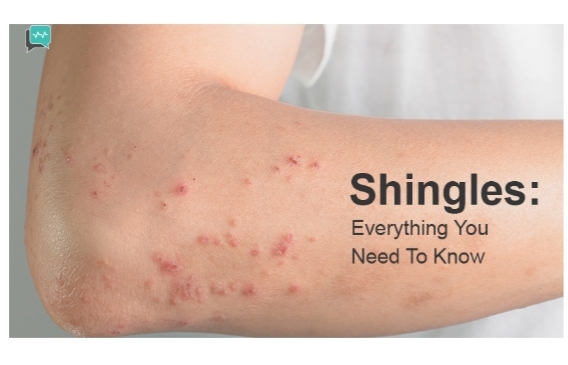
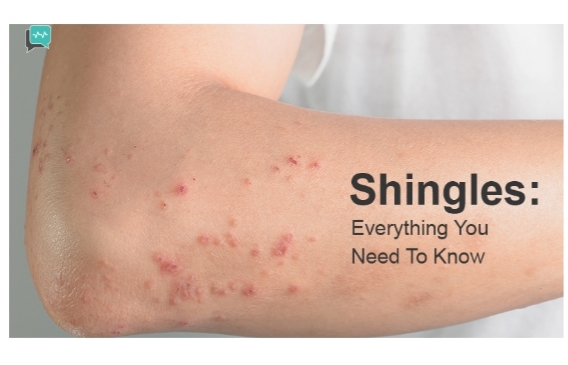
تم نشر مقالة علمية للتدريسيه في قسم تقنيات التخدير الدكتورة رشا فاضل عبيد بعنوانShingles
Shingles<br /><br /> <br /><br />Shingles is an illness caused by a reactivation of the varicella-zoster virus that causes chickenpox .The term "shingles" is derived from the Latin word cingulum, meaning girdle -- the idea being that the shingles rash often encircles the side of the body. Shingles is caused by the same virus that causes chickenpox (varicella-zoster virus or VZV), a member of the herpes family of viruses. After a person has chickenpox, the virus can live dormant in the nervous system in nerve fibers for life. It sensory nerves and can result in severe pain. It causes localized pain, numbness, and itching, followed by the appearance of clustered blisters in a strip pattern on one side of the body. Sometimes the pain can persist for weeks, months, or years after the rash heals (known as post-herpetic neuralgia).. Sometimes the virus remains dormant forever, but in other cases, the virus re-emerges or reactivates along a sensory nerve or dermatome.<br /><br />Causes of Shingles Virus Reactivation<br />Disease<br />Stress<br />Aging <br />Each of these factors can weaken the immune system, resulting in varicella-zoster reactivation. The shingles rash appears as painful skin blisters that appear usually on only one side of the face or body along the distribution of nerves in the skin. The skin rash begins as fluid-filled blisters that then form scabs that may leave scars. The rash may occur around the chest, upper back, abdomen, face, the limbs, neck, or lower back. The rash usually appears in one or two adjacent dermatomes, which are parts of the skin that are supplied by a single spinal nerve. However, usually a cause for the reactivation of the virus is never found. If the virus reactivates, it can only cause shingles, and does not cause widespread chickenpox viral infection again in the individual<br /><br />Risk Factors for Shingles Reactivation <br />• Weakened immune systems<br />• Immune deficiency (from AIDS or chemotherapy)<br />• Emotional stress<br />• Cancer <br /><br /><br />Characteristics of Pre-Rash Shingles Pain<br />• Itching<br />• Burning<br />• Tingling<br />• Constant aching<br />• Deep, shooting pain <br /><br />The is the most common complication of shingles. This is defined as persistence of the nerve pain associated with shingles beyond one month, even after the rash is gone. It occurs from irritation of the sensory nerves by the virus. The pain of PHN can be severe and debilitating. Up to 15% of people with shingles develop PHN. Typically, this occurs in people over 50 years of age. <br />Usually, shingles heals well and remaining problems are minimal. However, complications may arise from time to time.<br />Vision Loss<br />A more worrisome complication occurs when shingles affects the face (forehead and nose), which may spread to the eye and lead to loss of vision. Shingles that affects the eyes is called herpes zoster ophthalmicus.<br />Cellulitis<br />On occasion, shingles blisters can become infected with bacteria, resulting in cellulitis. Cellulitis is a bacterial infection of the skin. When cellulitis occurs, the skin area turns reddened, warm, firm, and tender.<br /><br /><br /><br />Other Complications<br />Shingles may also be associated with complications that affect the ears, which can affect hearing or balance. Shingles may weaken muscles on the side of the face. Rarely, shingles may spread to the brain or spinal cord, which can lead to a stroke or meningitis. Shingles may also trigger an immune reaction that affects blood vessels (vasculopathy). People who have shingles have a slightly increased risk of stroke within the first few weeks of the blisters appearing. This increased risk may last for several months<br /><br /><br /><br /><br /><br /> <br /><br /><br /><br /><br /><br /><br /> <br />