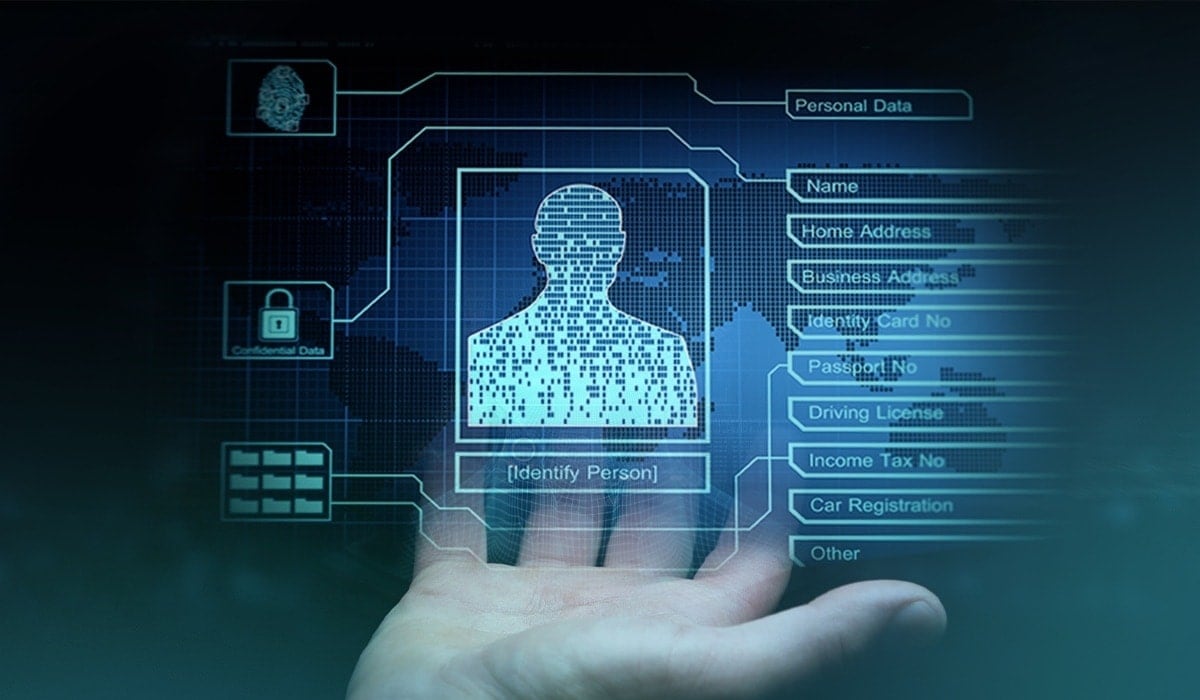
مقالة علمية بعنوان Identity Management and Object Recognition: Enhancing Security and Efficiency in a Digital World
نشر مقالة علمية للتدرييسية في قسم هندسة تقنيات الحاسوب د. نور عبد الكريم محمد علي بعنوان Identity Management and Object Recognition: Enhancing Security and Efficiency in a Digital World<br /><br /> وتهدف هذه المقالة الى <br />the need for secure and efficient systems to manage both human and object interactions with technology grows. Two critical technologies that are driving this transformation are Identity Management (IdM) and Object Recognition. While these concepts serve different purposes, they are increasingly being integrated to create more secure, efficient, and user-friendly systems. In this article, we will explore what identity management and object recognition entail, their key features, and how their integration is revolutionizing areas such as cybersecurity, surveillance, and user experience.<br />What is Identity Management?<br /><br />Identity management (IdM) refers to the set of policies, procedures, and technologies used to manage digital identities within an organization or across digital systems. The purpose of identity management is to ensure that individuals or systems have the appropriate access to resources, data, or services at the right time. In essence, it answers the question: "Who is allowed to do what?"<br />Key Features of Identity Management:<br /><br /> Authentication: This is the process of verifying that someone is who they claim to be. Traditional methods of authentication include passwords and personal identification numbers (PINs), but more advanced methods now include biometric data such as fingerprints, facial recognition, and iris scans.<br /><br /> Authorization: Once a user is authenticated, authorization determines what actions they are allowed to perform. This typically involves granting access to files, systems, or services based on their role or status within an organization.<br /><br /> Single Sign-On (SSO): SSO is a user-friendly solution that allows individuals to authenticate once and gain access to multiple applications or systems without needing to log in again. This reduces friction for users and enhances security by minimizing the number of credentials that need to be managed.<br /><br /> Multi-Factor Authentication (MFA): MFA adds an extra layer of security by requiring users to present two or more verification factors, such as a password and a fingerprint, ensuring that unauthorized individuals cannot gain access.<br /><br /> Role-Based Access Control (RBAC): In RBAC, access permissions are assigned based on the user’s role within an organization. This simplifies the process of managing permissions and ensures that individuals can only access what they are authorized to.<br /><br />What is Object Recognition?<br /><br />Object recognition is a subset of computer vision that focuses on identifying and classifying objects within digital images or videos. By using advanced algorithms and machine learning techniques, systems can detect, recognize, and categorize objects with increasing accuracy.<br />Key Features of Object Recognition:<br /><br /> Feature Extraction: Object recognition begins by identifying key features in an image, such as edges, textures, and shapes. These features are then used to compare and classify objects against a database of known entities.<br /><br /> Machine Learning and Deep Learning: Modern object recognition relies heavily on machine learning models, particularly Convolutional Neural Networks (CNNs), which are trained on large datasets to improve accuracy. Deep learning models are especially powerful for recognizing complex patterns, such as faces or vehicles, across different contexts.<br /><br /> Applications: Object recognition has a wide range of applications, including facial recognition for security purposes, automatic number plate recognition (ANPR) for traffic enforcement, and even object identification in autonomous vehicles. In healthcare, object recognition helps with medical imaging, assisting in the early detection of diseases.<br /><br />The Intersection of Identity Management and Object Recognition<br /><br />The fusion of identity management and object recognition is creating smarter, more secure systems across industries. For instance, in modern security frameworks, biometric authentication—such as facial recognition—can be used as a more secure method of managing digital identities. This integration enhances both the security and convenience of authentication systems.<br />How Integration Enhances Security:<br /><br /> Facial Recognition in Access Control: One of the most common applications of object recognition in identity management is facial recognition for authentication. Whether it's unlocking a smartphone or gaining entry to a restricted area, facial recognition adds a layer of security by ensuring that only authorized individuals can gain access. Unlike passwords, biometric identifiers cannot be easily stolen or duplicated, making them far more secure.<br /><br /> Surveillance and Monitoring: In surveillance systems, object recognition can be used to identify individuals, vehicles, or even suspicious objects in real-time. Coupled with identity management systems, these technologies allow for seamless tracking and management of individuals across various locations, ensuring tighter control over sensitive environments like airports, military bases, or corporate campuses.<br /><br /> Personalized User Experiences: The integration of identity management and object recognition is also being used to enhance user experiences in non-security applications. For instance, in retail environments, facial recognition can be used to identify returning customers, enabling personalized services such as customized product recommendations or faster checkouts. Similarly, in smart homes, object recognition combined with identity management can allow for automated actions based on who enters a room—like adjusting the lighting or temperature to a user’s preferences.<br /><br />Challenges and Considerations<br /><br />Despite their growing adoption, the integration of identity management and object recognition comes with several challenges. Data privacy is one of the biggest concerns. Facial recognition and other biometric data are highly sensitive, and the improper handling or storage of such data could lead to severe security breaches. It is essential for organizations to adopt stringent privacy policies and to comply with regulations such as the General Data Protection Regulation (GDPR) in Europe.<br /><br />Moreover, while object recognition systems have made significant strides, they are not without flaws. Factors such as lighting conditions, camera quality, or even racial bias in training data can affect the accuracy of recognition systems. Continuous training and refinement of algorithms are necessary to improve reliability.<br />Conclusion<br /><br />As digital systems become more pervasive, the integration of identity management and object recognition is proving to be a powerful tool for enhancing both security and user experiences. Whether used for access control, surveillance, or personalized services, these technologies are reshaping how we interact with the digital world. However, as with any powerful technology, their use must be carefully managed, balancing the benefits with potential risks to privacy and security. As these fields continue to evolve, we can expect to see even more sophisticated applications emerge, further blurring the lines between physical and digital identitie<br /><br />