
تم نشر مقالة علمية للتدريسي ( عبدالله كاظم رحيم ) في قسم تقنيات التخدير بعنوان Sepsis causes, symptoms and treatments
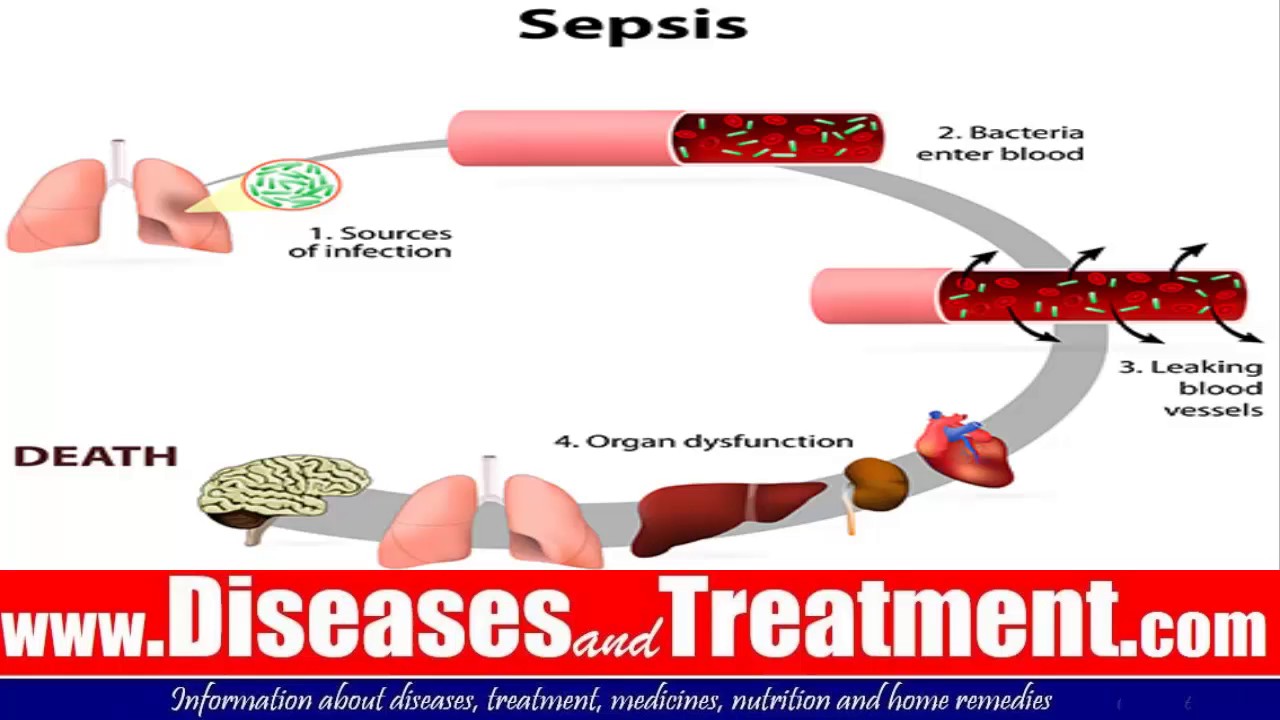
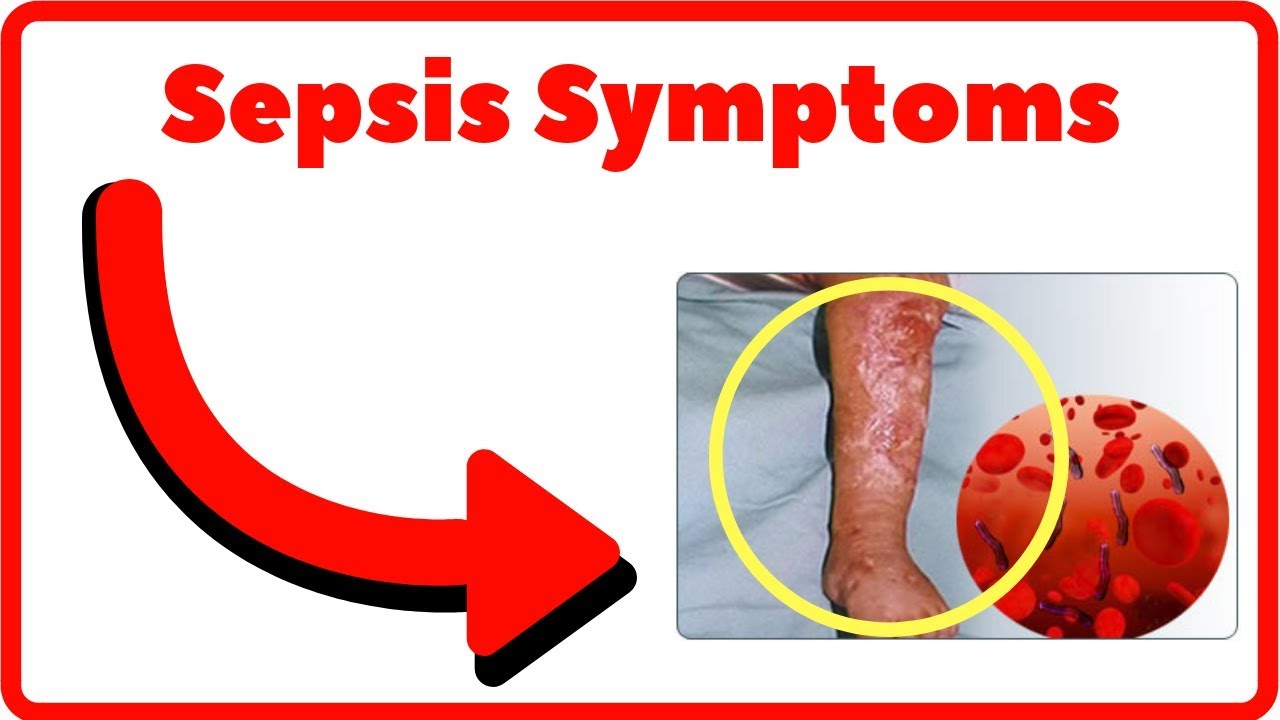
Sepsis causes, symptoms and treatments<br /><br />Sepsis is a serious clinical condition that represents a patient’s response to a severe infection and has a very high mortality rate. Septic patients have substantial, life-threatening alterations in their coagulation system, and currently, there is an approved therapy with a component of the coagulation system (activated protein C) to treat patients with severe sepsis.<br /><br />CAUSES<br />Sepsis is caused by infection (either Bacterial, Fungi or Viral but mainly bacterial) and can happen to anyone. Sepsis is most common and most dangerous in.<br />1. Older adults ,Pregnant women and Children younger than one year old. <br />2. People who have chronic conditions, such as diabetes, kidney or lung disease, or cancer and People who have weakened immune systems.<br />Symptoms of sepsis include:<br />1. a fever above (38ºC) or a temperature below (36ºC)<br />2. heart rate higher than 90 beats per minute<br />3. breathing rate higher than 20 breaths per minute<br />4. probable or confirmed infection. You must have two of these symptoms before a doctor can diagnose sepsis.<br />Treatment of sepsis include<br />sepsis can quickly progress to septic shock and death if it’s left untreated.<br />1- antibiotics via IV to fight infection (third generations cephalosporines).<br />2- IV fluids and vasoactive medications to increase blood pressure (adrenaline).<br />3- insulin to stabilize blood sugar and corticosteroids to reduce inflammation.<br /><br /><br /><br /><br /><br />