
تم نشر مقالة علمية للتدريسي ( عبدالله كاظم رحيم ) في قسم تقنيات التخدير بعنوان Acute respiratory distress syndrome
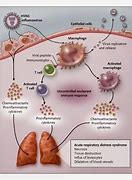
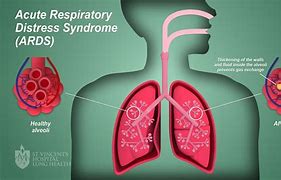
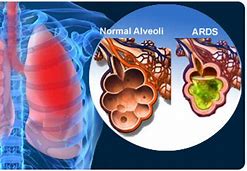
Acute respiratory distress syndrome<br />Acute respiratory distress syndrome (ARDS) is a type of respiratory failure characterized by rapid onset of widespread inflammation in the lungs. Symptoms include shortness of breath (dyspnea), rapid breathing (tachypnea), and bluish skin coloration (cyanosis).<br />Causes<br />may include sepsis, pancreatitis, trauma, pneumonia, and aspiration. The underlying mechanism involves diffuse injury to cells which form the barrier of the microscopic air sacs of the lungs, surfactant dysfunction, activation of the immune system, and dysfunction of the body's regulation of blood clotting. In effect, ARDS impairs the lungs' ability to exchange oxygen and carbon dioxide. Adult diagnosis is based on a PaO2/FiO2 ratio (ratio of partial pressure arterial oxygen and fraction of inspired oxygen) of less than 300 mm Hg despite a positive end-expiratory pressure (PEEP) of more than 5 cm H2O. Heart-related pulmonary edema, as the cause, must be excluded.<br />Diagnosis<br />There's no specific test to identify ARDS. The diagnosis is based on the physical exam, chest X-ray and oxygen levels. It's also important to rule out other diseases and conditions — for example, certain heart problems — that can produce similar symptoms.<br />Treatment <br />the primary treatment involves mechanical ventilation together with treatments directed at the underlying cause. Ventilation strategies include using low volumes and low pressures. If oxygenation remains insufficient, lung recruitment maneuvers and neuromuscular blockers may be used. If these are insufficient, extracorporeal membrane oxygenation (ECMO) may be an option. Appropriate antibiotic therapy is started as soon as culture results are available, or if infection is suspected (whichever is earlier). Empirical therapy may be appropriate if local microbiological surveillance is efficient. Where possible the origin of the infection is removed. When sepsis is diagnosed, appropriate local protocols are followed. <br />